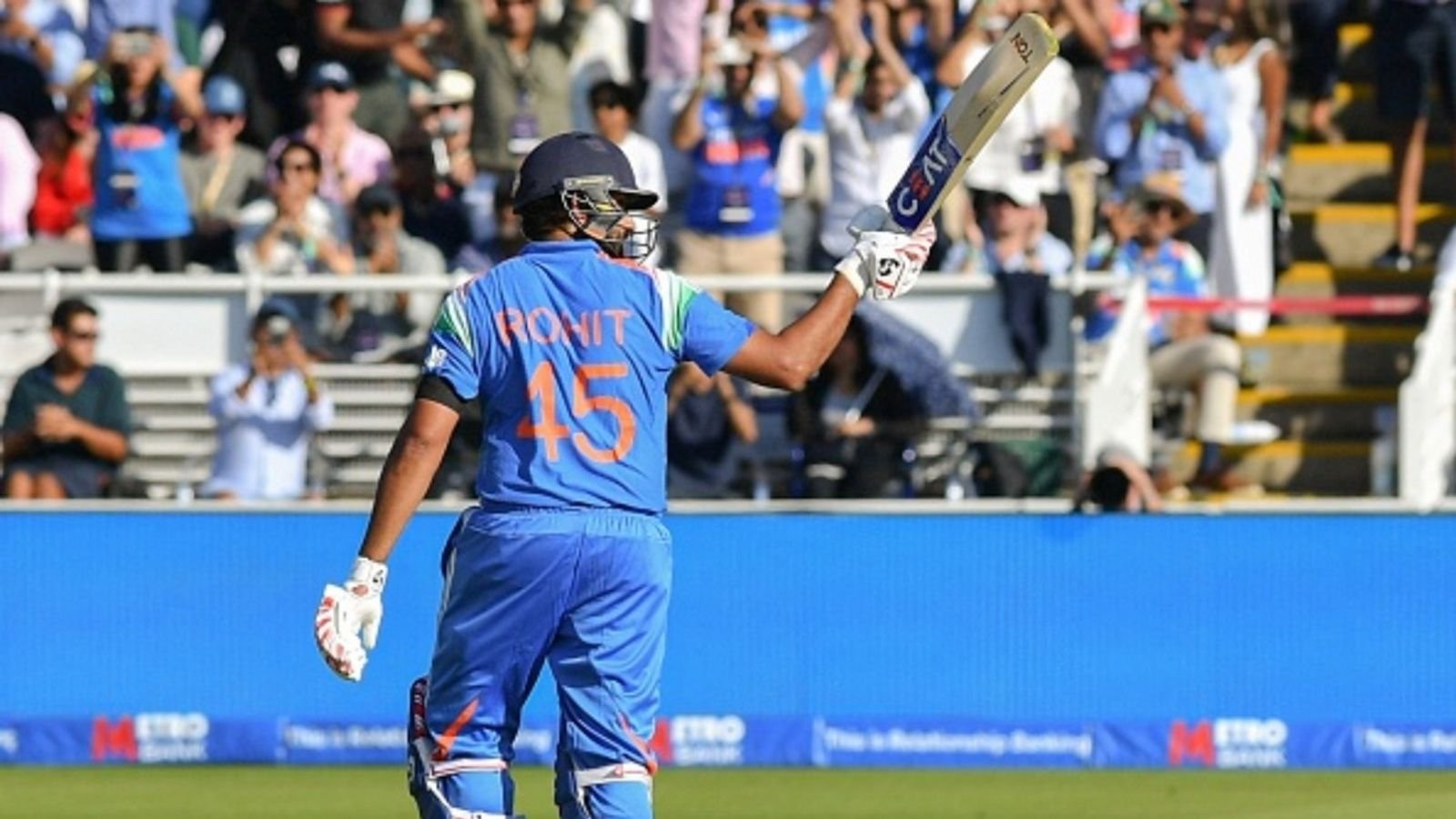
Rohit Sharma’s retirement rumours have once again become a major talking point in Indian cricket, but the latest message from the Board of Control for Cricket in India (BCCI) points in a very different direction. Following a review meeting on September 3, BCCI secretary Devajit Saikia publicly rejected speculation that Rohit is preparing to retire from ODI cricket.
The discussion comes at an important stage of India’s preparation for the 2027 ODI World Cup. Rohit remains an influential figure in India’s 50-over setup, even though his role and long-term place in the squad naturally attract attention because of his age and changing responsibilities within the team.
Saikia’s comments are particularly significant because they came after a formal review meeting involving India head coach Gautam Gambhir, ODI and Test captain Shubman Gill, T20I captain Shreyas Iyer and Centre of Excellence head VVS Laxman. The meeting provided an opportunity to assess several issues surrounding Indian cricket, including the future of experienced players.
For Rohit, however, the immediate message is straightforward: there is no indication from the BCCI that he is retiring now. The veteran opener is also expected to feature in India’s upcoming ODI series against the West Indies later this month.
What did Devajit Saikia say about Rohit Sharma’s retirement?
Devajit Saikia strongly pushed back against the retirement speculation surrounding Rohit Sharma. Speaking to reporters after the review meeting, he pointed toward Rohit’s recent performances as a reason why retirement talk has been difficult to understand.
“Rohit Sharma is playing superbly in all matches. What more do you want?”
Saikia also referred to Rohit’s huge score in the final ODI against England and questioned why there should be widespread discussion about his retirement while he is continuing to contribute with the bat.
The BCCI secretary’s comments matter because retirement decisions involving senior Indian players often generate enormous public interest. Rather than allowing speculation to dominate the conversation, Saikia effectively indicated that Rohit remains part of the current ODI picture.
However, there is an important distinction. Saying that Rohit is not retiring anytime soon is not exactly the same as officially confirming that he will play the 2027 World Cup. A World Cup selection decision will ultimately depend on performance, fitness, team balance and the selectors’ plans closer to the tournament.
Is Rohit Sharma confirmed for the 2027 ODI World Cup?
Rohit Sharma has not been officially confirmed for India’s 2027 ODI World Cup squad. What has been made clear is that retirement is not currently on the immediate agenda and that he remains available for ODI cricket.
This distinction is crucial when assessing his World Cup prospects. The 2027 tournament is still ahead, meaning there is considerable cricket to be played before India finalises its squad.
Rohit’s continued participation gives him an opportunity to strengthen his case through performances. If he maintains his form and fitness, his experience could become an important advantage for a side preparing for a major home-and-away World Cup cycle.
At the same time, India cannot plan an international tournament several years in advance around one player. The team will have to balance Rohit’s experience with the development of younger batters who could become long-term members of the ODI side.
Why did Rohit Sharma retirement rumours start?
The latest retirement speculation surfaced before the third and final ODI between India and England at Lord’s. With Rohit being 39 and ODI cricket currently his active international format, questions about how long he would continue were always likely to emerge.
The discussion became louder after former India head coach Ravi Shastri and others raised the possibility of Rohit stepping away during the build-up to the match.
But Rohit responded in the most familiar way possible for a batter: with runs.
He produced a remarkable individual performance in the chase, scoring 138 runs after England posted a target of 388. India ultimately fell short, but Rohit’s innings provided a powerful counterargument to suggestions that he was struggling to remain effective at international level.
The timing of that performance also changed the nature of the debate. Instead of asking whether Rohit could still score runs, the discussion shifted toward how long he could continue producing performances of that standard.
Rohit’s 138 at Lord’s changes the retirement conversation
A single innings should never determine a player’s entire career, but Rohit’s 138 at Lord’s was significant because of the context surrounding it.
Retirement discussions involving senior players usually revolve around three questions: Can the player still perform? Can the player remain physically capable of handling international cricket? And does the team still need the player?
Rohit’s performance at Lord’s provided a strong answer to the first question. His continued involvement in the ODI setup addresses the second for the present. The third question, however, will be determined by India’s selectors and team management as the 2027 World Cup approaches.
Rohit Sharma’s experience remains a major asset for India
One of Rohit’s biggest advantages is not limited to his ability to score centuries. His experience of playing high-pressure international cricket gives India another valuable resource during the transition between generations.
India’s current ODI setup includes players from different stages of their careers. Younger batters can bring energy and adaptability, while experienced players can provide stability when matches become difficult.
Rohit’s understanding of ODI tempo is particularly valuable. The format requires a team to manage three distinct phases: the powerplay, the middle overs and the final acceleration. A batter who understands how to shift gears according to match conditions can influence the entire batting strategy.
This is why the debate about Rohit should not be reduced simply to his age. The more important question is whether his performance continues to justify his place.
Experience vs youth: India’s 2027 ODI selection dilemma
| Factor | Rohit Sharma | Younger ODI Options |
|---|---|---|
| International experience | Extensive experience in major tournaments and pressure matches | Generally less international experience |
| ODI knowledge | Deep understanding of 50-over cricket | Opportunity to develop long-term expertise |
| Leadership experience | Former India captain with extensive experience | Leadership roles still developing |
| Long-term planning | Shorter remaining playing window | Potentially longer-term options |
| Current selection case | Depends heavily on performance and fitness | Depends on development, consistency and team requirements |
This comparison explains why Rohit’s future will remain a major selection discussion even if retirement is not currently being considered.
India does not necessarily have to choose between experience and youth immediately. The next phase can be used to evaluate how younger players perform alongside senior members of the squad. That approach would give the selectors more information before the World Cup squad takes shape.
Why the West Indies ODI series could be important
The upcoming ODI series against the West Indies provides another opportunity for Rohit to demonstrate his continued value. While one series will not decide his World Cup fate, consistent performances can strengthen his position.
For India, these matches also offer an opportunity to refine the batting combination and assess how senior and emerging players fit together.
For Rohit, the challenge is simpler: remain productive and physically ready whenever he is selected.
That is also why Saikia’s comments should be viewed as an indication of the present situation rather than a guarantee about 2027.
What the September 3 review meeting tells us
The review meeting itself was significant because several senior figures from Indian cricket were involved. Gautam Gambhir, Shubman Gill, Shreyas Iyer and VVS Laxman were among those involved in discussions with the BCCI leadership.
Interestingly, chief selector Ajit Agarkar was not present, either in person or virtually, according to the source report. The meeting also decided that there would be no separate Director of Cricket Operations position.
These developments indicate that Indian cricket is working through broader organisational and strategic questions at the same time that individual player futures are being discussed.
That makes Saikia’s comments about Rohit particularly useful. Instead of leaving his ODI status entirely to speculation, the BCCI secretary offered a direct public clarification.
Rohit Sharma’s ODI future: What happens next?
The most sensible way to assess Rohit’s future is to separate three different questions.
1. Is Rohit retiring now?
Based on Devajit Saikia’s latest comments, there is no indication that Rohit is preparing for immediate retirement from ODI cricket.
2. Will Rohit play the 2027 World Cup?
That remains unconfirmed. His selection will ultimately depend on his performances, fitness and the needs of the Indian team closer to the tournament.
3. Can Rohit remain important to India?
Yes, provided his performances continue to meet the team’s expectations. His experience, batting ability and knowledge of major tournaments make him an important option while India develops its next generation.
Prediction: Rohit’s World Cup case will be decided by performance, not age
The biggest takeaway from the latest development is that Rohit’s age alone is unlikely to settle the debate. Cricket selection is ultimately performance-driven.
If Rohit continues producing match-changing ODI innings and maintains the fitness required for international cricket, there will be a strong argument for keeping him in contention. If his output declines significantly or younger players establish themselves as clearly better options, the equation could change.
This creates an interesting situation for India. Rather than deciding now whether Rohit belongs in the 2027 World Cup squad, the team can use the next phase of ODI cricket as an extended evaluation period.
That approach benefits both sides. Rohit gets the opportunity to prove that he can remain an effective international batter, while India gets time to develop alternatives without being forced into an immediate generational transition.
The bigger picture for Indian cricket
Rohit’s retirement debate is actually part of a larger question facing Indian cricket: when should an experienced superstar make way for the next generation?
There is no universal answer. Retiring too early can remove valuable experience from a team, while continuing too long can reduce opportunities for emerging players.
The best solution is usually performance-based succession planning. Senior players should remain involved while they continue contributing, but younger players must simultaneously receive enough opportunities to become realistic replacements.
India has time to follow that model before the 2027 World Cup. The challenge for the selectors will be maintaining a healthy balance between immediate results and long-term preparation.
Conclusion: Rohit Sharma’s retirement is not on the immediate horizon
For now, the retirement rumours surrounding Rohit Sharma have been firmly played down by BCCI secretary Devajit Saikia. His comments indicate that Rohit remains active in ODI cricket and is expected to feature in India’s upcoming series against the West Indies.
His impressive 138 against England has also strengthened the argument that he still has plenty to offer in the 50-over format.
However, it would be premature to call him a confirmed member of India’s 2027 World Cup squad. The tournament is still ahead, and selection will depend on a combination of performance, fitness, form and team balance.
The more interesting story may therefore not be whether Rohit retires tomorrow, but whether he can continue performing well enough to make the selectors believe that experience is still worth carrying into another World Cup cycle.
If he does, India could have the unusual luxury of entering 2027 with both an experienced match-winner and a new generation ready to take over. That could make Rohit’s eventual transition less of a retirement story and more of a carefully managed changing of the guard.
For breaking news and live news updates, like us on Facebook or follow us on Twitter and Instagram. Read more on Latest Cricket on thefoxdaily.com.






COMMENTS 0