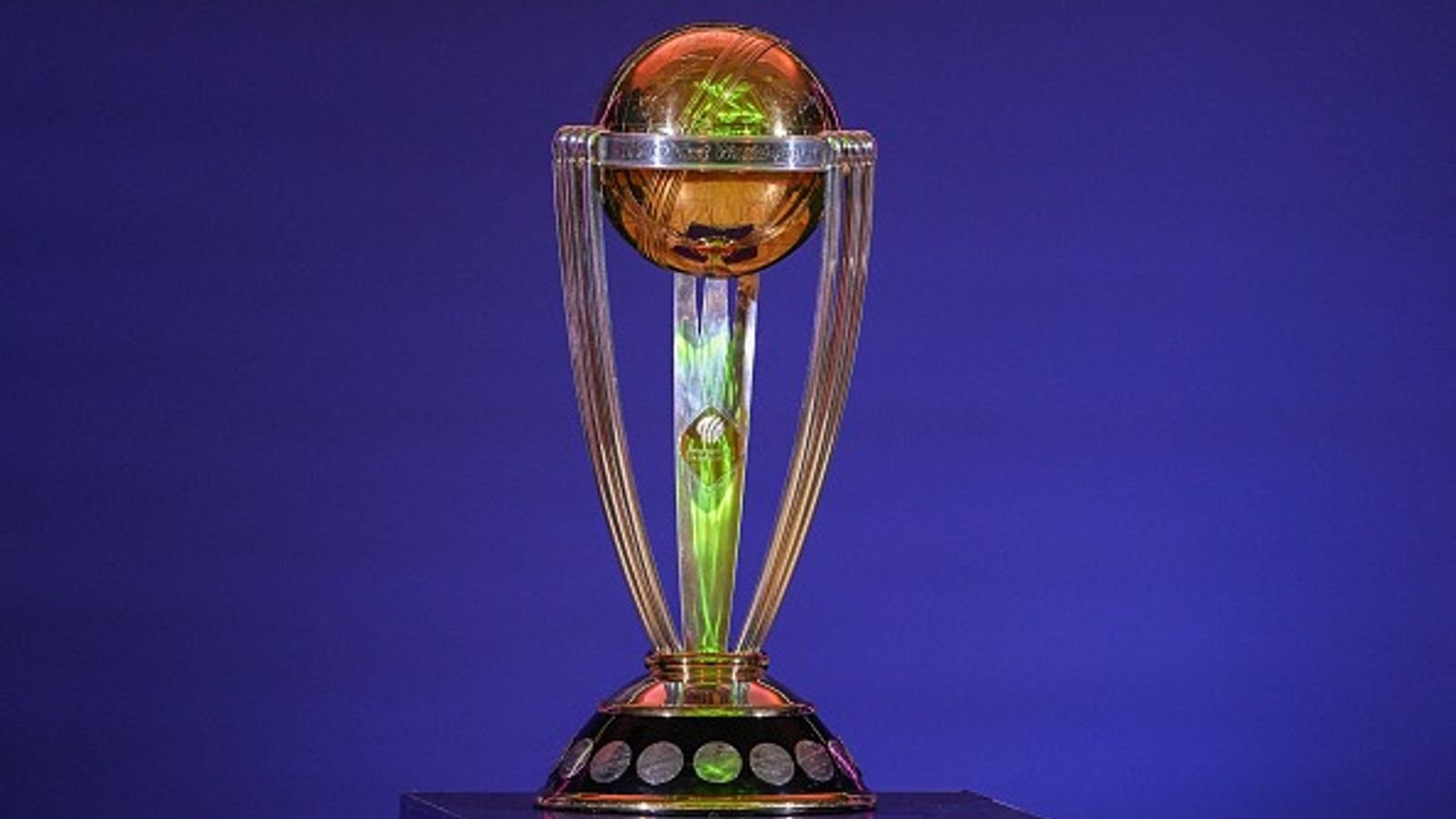
The road to the ICC ODI World Cup 2027 is becoming clearer after the qualification window for the tournament was confirmed. According to the latest schedule, the ODI World Cup 2027 Qualifiers will be held from February 22 to March 23, 2027, with ten teams competing for a place at cricket’s biggest 50-over event. While the host nation for the qualifiers is yet to be officially announced, the tournament is expected to deliver high-pressure cricket as established Full Members and ambitious Associate nations battle for World Cup survival.
The expanded 14-team ODI World Cup, jointly hosted by South Africa, Zimbabwe, and Namibia, promises to be one of the most competitive editions in history. However, reaching the tournament will not be straightforward for every nation, making the qualifiers one of the most significant ICC events on the international calendar.
ODI World Cup 2027 Qualifiers Schedule Confirmed
The ICC has earmarked the period between February 22 and March 23, 2027 for the qualification tournament. Over the course of one month, ten teams will compete in a format designed to identify the strongest remaining contenders for the World Cup.
Unlike bilateral ODI series, every match in the qualifiers carries enormous significance. A single defeat can dramatically alter qualification hopes, while momentum often proves decisive in tournaments played over a condensed schedule.
| ODI World Cup 2027 Qualifiers Overview | Details |
|---|---|
| Tournament | ICC ODI World Cup 2027 Qualifiers |
| Dates | February 22 – March 23, 2027 |
| Participating Teams | 10 |
| World Cup Hosts | South Africa, Zimbabwe and Namibia |
| Host of Qualifiers | Yet to be announced |
| Main Tournament Teams | 14 |
How the ODI World Cup 2027 Qualification System Works
The qualification pathway has been designed to reward consistent performances across multiple ICC competitions rather than relying solely on rankings.
Under the current structure, the winner of the 10-team qualifier will secure direct entry into the ODI World Cup 2027.
The teams finishing second, third, and fourth will remain in contention by advancing to the tournament’s opening Super Series stage, giving them another opportunity to progress into the main competition.
This revised qualification format ensures that more teams remain in contention for longer while increasing the competitive value of every fixture.
Which Teams Will Play the Qualifiers?
The 10-team field will be assembled through multiple qualification routes, bringing together Full Members and Associate nations.
- The bottom two Full Member nations in the ICC ODI rankings will enter the qualifiers.
- The top four teams from ICC Cricket World Cup League 2 will qualify directly.
- The remaining four places will be decided through the Qualifier Playoff competition.
- The Qualifier Playoff itself will feature the bottom four League 2 teams alongside four Challenge League qualifiers.
This structure creates opportunities for emerging cricket nations while ensuring established international teams cannot rely solely on past reputation.
Why the Expanded 14-Team World Cup Matters
The return to a 14-team ODI World Cup is viewed by many as an important step for global cricket.
More participating nations mean greater geographical representation, increased exposure for Associate countries, and additional opportunities for emerging teams to challenge cricket’s traditional powers.
Expansion also makes the qualification race even more compelling because several competitive teams now believe they have a realistic chance of reaching the biggest tournament in one-day cricket.
West Indies Face an Important Qualification Battle
One of the biggest storylines ahead of the September 30, 2026 ranking cutoff involves the West Indies.
The two-time ODI World Cup champions currently sit outside the automatic qualification positions, leaving their place in the main tournament uncertain.
With only two ODI matches remaining before rankings are finalized, the Caribbean side has little room for error.
Their qualification hopes are also influenced by results elsewhere, particularly Ireland’s ODI series against Afghanistan.
How Ireland’s Results Could Impact West Indies
The qualification battle highlights how closely connected international cricket’s ranking system has become.
If Afghanistan win their ODI series against Ireland, West Indies would move significantly closer to automatic qualification.
However, if Ireland record a dominant series victory, the race becomes considerably tighter, increasing the pressure on West Indies to win their remaining matches before the cutoff date.
This scenario demonstrates that qualification is determined not only by a team’s own performances but also by results involving direct ranking rivals.
Why Every ODI Matters Before the Cutoff
Unlike franchise leagues, where teams have long seasons to recover from defeats, the international ODI rankings reward sustained consistency.
Every bilateral series played before September 30, 2026, now carries additional significance because it directly influences automatic qualification.
Teams near the qualification line must balance experimentation with the need to secure ranking points, creating an interesting strategic challenge for selectors and coaching staffs.
The Importance of the Qualifiers for Associate Nations
The qualifying tournament is arguably even more important for Associate nations than it is for Full Members.
For many developing cricket countries, reaching the ODI World Cup represents an opportunity to attract sponsorship, improve domestic infrastructure, inspire young players, and gain valuable experience against elite opposition.
Several Associate teams have steadily narrowed the gap on established nations over recent years, making the qualifiers increasingly unpredictable.
Pressure Creates Memorable Cricket
ICC qualifying tournaments have historically produced some of the most dramatic matches in international cricket.
Unlike bilateral contests, qualification games often feature knockout-like intensity because every run, wicket, and net run rate calculation can influence final standings.
This pressure frequently produces unexpected heroes, memorable upsets, and emotional celebrations that become defining moments in a nation’s cricketing history.
What Makes the 2027 Qualification Cycle Different?
Compared to previous editions, the qualification system places greater emphasis on sustained performance across multiple competitions instead of relying on one standalone tournament.
League cricket, ranking points, playoff events, and the final qualifier all contribute to determining the teams that eventually reach the World Cup.
This layered pathway rewards consistency while still allowing ambitious teams to earn qualification through strong performances in ICC competitions.
What Fans Can Expect
Supporters should expect a month of high-quality, high-pressure ODI cricket featuring teams with everything to play for.
Whether it is a Full Member fighting to avoid embarrassment or an Associate nation chasing history, every fixture will carry significant consequences.
The qualifiers are also expected to provide an early indication of which teams possess the depth, adaptability, and temperament required to compete successfully at the ODI World Cup itself.
Looking Ahead to the ODI World Cup 2027
The main tournament will be staged across South Africa, Zimbabwe, and Namibia, marking a major event for African cricket. With 14 participating nations, fans can expect more matches, greater diversity in playing styles, and fresh rivalries on the global stage.
Before attention turns to the World Cup, however, the qualifiers will determine which nations complete the field. For several teams, the journey to cricket’s biggest tournament will effectively begin long before the opening match of the World Cup.
Conclusion
The confirmation of the ODI World Cup 2027 Qualifiers schedule marks a significant milestone in the countdown to the next 50-over World Cup. Scheduled from February 22 to March 23, 2027, the tournament will feature ten teams competing for a place in the expanded 14-team competition. Beyond qualification, the event represents an opportunity for emerging nations to make history and for established teams to prove they still belong among cricket’s elite. With automatic qualification races tightening and every ODI carrying added importance before the rankings cutoff, the months ahead promise to deliver one of the most fascinating qualification campaigns in recent ICC history.
For breaking news and live news updates, like us on Facebook or follow us on Twitter and Instagram. Read more on Latest Cricket on thefoxdaily.com.






COMMENTS 0