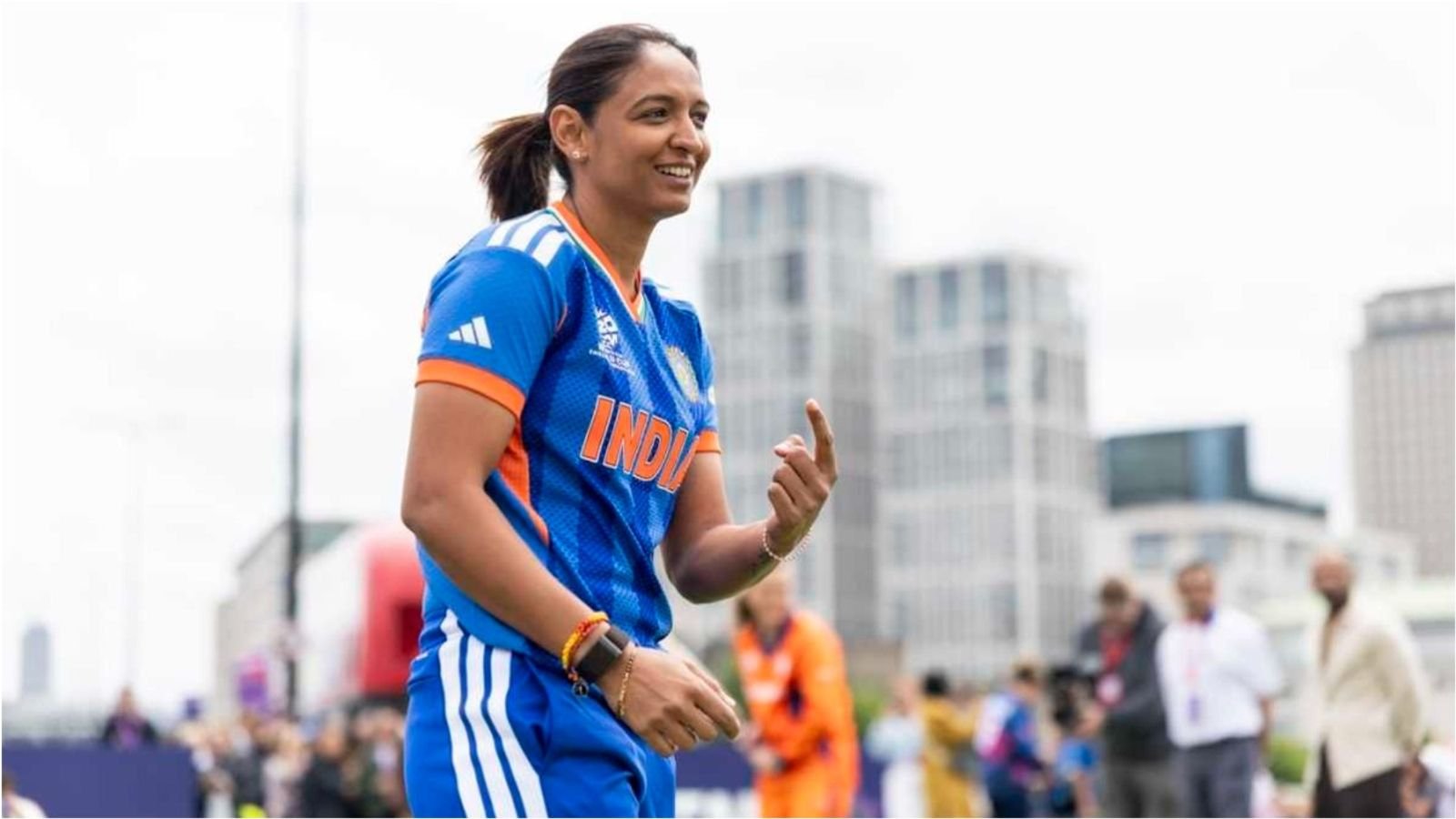
The International Cricket Council (ICC) has announced a landmark initiative that could reshape the future of women’s cricket globally. By unveiling its new Return-to-Play Post-Pregnancy Guidelines, the governing body has taken a major step toward ensuring that female cricketers no longer have to choose between motherhood and their sporting careers.
The guidelines provide a structured roadmap for players navigating pregnancy, childbirth, recovery, and their eventual return to competitive cricket. More importantly, the framework signals a broader shift in how professional sport views motherhood—not as a career interruption, but as a life stage that can be supported through proper planning, medical care, and organizational backing.
As women’s cricket continues to experience unprecedented growth across international and franchise competitions, the introduction of these guidelines arrives at a crucial moment for the sport.
Why the ICC’s New Pregnancy Policy Matters
Women’s cricket has undergone a remarkable transformation over the last decade. Increased investment, higher salaries, professional contracts, and global tournaments have elevated the sport to new heights.
However, one major challenge remained largely unaddressed: how female athletes could successfully manage pregnancy while maintaining professional careers.
Historically, many athletes across sports faced uncertainty regarding maternity support, recovery timelines, childcare assistance, and pathways back into elite competition.
The ICC’s new framework aims to eliminate much of that uncertainty by providing cricket boards with clear recommendations and practical support systems.
The message behind the initiative is simple but powerful: becoming a mother should not automatically end a cricketer’s career.
What Are the ICC Return-to-Play Pregnancy Guidelines?
The newly introduced guidelines provide a detailed structure for cricket boards to support players before, during, and after pregnancy.
The framework has been developed by the ICC Medical Advisory Committee under the leadership of Australian women’s team doctor Dr. Phillipa Inge.
Rather than enforcing a single mandatory policy, the ICC has created a flexible blueprint that member boards can adapt according to their own resources, systems, and player needs.
The recommendations cover physical recovery, mental health support, childcare assistance, travel arrangements, training modifications, and long-term athlete welfare.
The objective is to ensure female cricketers receive comprehensive support throughout every stage of motherhood.
Key Features of the ICC Pregnancy Framework
| Support Area | ICC Recommendation |
|---|---|
| Dedicated Support Coordinator | Assign a specific person to assist players throughout pregnancy and return process |
| Medical Support | Continuous access to healthcare professionals and specialists |
| Mental Health Assistance | Psychological support during and after pregnancy |
| Flexible Training Plans | Customized fitness and recovery schedules |
| Travel Support | Adjusted travel arrangements based on individual needs |
| Childcare Assistance | Support systems for mothers returning to competition |
These recommendations represent one of the most comprehensive athlete welfare frameworks ever introduced in cricket.
Understanding the Six-Stage Return-to-Play Pathway
At the center of the new policy is a structured six-stage model designed to guide players safely back into professional cricket.
1. Ready
The first stage focuses on preparation, education, and planning before childbirth. Players receive information regarding physical changes, recovery expectations, and available support systems.
2. Review
Following childbirth, medical assessments help evaluate the player’s recovery status and identify individual requirements.
3. Restore
This stage prioritizes physical rehabilitation, rebuilding strength, mobility, and overall well-being before cricket-specific training begins.
4. Recondition
Players gradually return to structured fitness activities while monitoring workload and recovery levels.
5. Return
Cricketers begin participating in competitive training sessions and eventually return to professional matches.
6. Refine
Even after returning to competition, ongoing assessments ensure players continue receiving support and adjustments where necessary.
The phased approach helps minimize injury risks while prioritizing long-term athlete health.
A Cultural Shift in Women’s Sport
The significance of these guidelines extends beyond cricket.
Across global sport, conversations surrounding maternity rights, parental support, and athlete welfare have gained increasing attention in recent years.
Several high-profile athletes from tennis, football, athletics, and basketball have highlighted the challenges mothers face when attempting to resume elite competition.
By introducing a structured framework, the ICC is positioning cricket among the leading sports organizations actively addressing these concerns.
The move reflects a broader understanding that athlete welfare must encompass both professional and personal life circumstances.
How Women’s Cricket Has Changed in the Last Decade
Women’s cricket today looks dramatically different from what it did ten years ago.
Professional leagues such as the Women’s Premier League (WPL), The Hundred Women’s Competition, Women’s Big Bash League (WBBL), and other domestic tournaments have created year-round opportunities for players.
With larger contracts and increased visibility comes greater responsibility for governing bodies to provide comprehensive player support.
The ICC’s latest initiative can be viewed as part of the sport’s broader professionalization process.
As more players build long-term careers in cricket, policies addressing family planning and motherhood become increasingly important.
Why Flexible Policies Are Essential
One of the most notable aspects of the ICC framework is its flexibility.
Cricket operates across countries with vastly different financial resources, healthcare systems, and administrative structures.
A rigid one-size-fits-all policy would likely be difficult to implement consistently across all member nations.
Instead, the ICC has created guidelines that provide a common direction while allowing boards to tailor support based on individual circumstances.
This approach increases the likelihood of widespread adoption and meaningful implementation.
The Role of Mental Health in Recovery
Physical recovery often receives the most attention in professional sport, but the ICC’s framework also highlights the importance of mental well-being.
Pregnancy and childbirth bring significant emotional and psychological adjustments.
For professional athletes, those changes are often accompanied by concerns regarding fitness, performance levels, career progression, and competitive opportunities.
Providing access to mental health professionals can help athletes manage these challenges more effectively.
The inclusion of psychological support demonstrates a holistic approach to player welfare.
What This Means for Future Generations of Cricketers
The long-term impact of the guidelines may be even more important than their immediate effects.
Young girls considering professional cricket careers will now see a clearer pathway that accommodates both sporting ambitions and family aspirations.
The existence of formal support structures can encourage more athletes to remain involved in cricket for longer periods.
It may also help reduce career interruptions and improve retention rates among experienced players.
Ultimately, stronger support systems benefit not only individual athletes but also the overall quality and depth of women’s cricket.
A Positive Message From the ICC
According to Dr. Phillipa Inge and the ICC Medical Advisory Committee, the core purpose of the initiative is reassurance.
The governing body wants female cricketers to understand that motherhood does not have to signal the end of a professional career.
Instead, with proper planning, medical guidance, and organizational support, athletes can successfully return to elite competition.
This philosophy reflects the changing reality of modern women’s sport, where career longevity and family life are no longer viewed as mutually exclusive goals.
Potential Challenges Ahead
While the guidelines represent a significant step forward, successful implementation will ultimately determine their effectiveness.
Some cricket boards may require additional resources, staffing, and infrastructure to fully adopt the recommendations.
Ensuring consistency across different countries could also prove challenging.
However, the existence of a formal framework provides an important starting point and establishes clear expectations regarding athlete support.
The real success of the policy will be measured by how effectively member boards translate recommendations into practical assistance.
Conclusion
The ICC’s Return-to-Play Post-Pregnancy Guidelines represent one of the most significant athlete welfare initiatives in the history of women’s cricket. By introducing structured support systems, flexible training pathways, childcare assistance, and mental health resources, the governing body has acknowledged the realities faced by female athletes balancing motherhood and professional sport.
More than just a medical framework, the policy reflects a broader cultural shift within cricket. It sends a clear message that motherhood should not be viewed as a barrier to sporting success and that female players deserve the support necessary to pursue both family life and elite competition.
As women’s cricket continues to expand globally, these guidelines could become a defining milestone in creating a more inclusive, sustainable, and athlete-centered future for the sport.
For breaking news and live news updates, like us on Facebook or follow us on Twitter and Instagram. Read more on Latest Sports on thefoxdaily.com.






COMMENTS 0