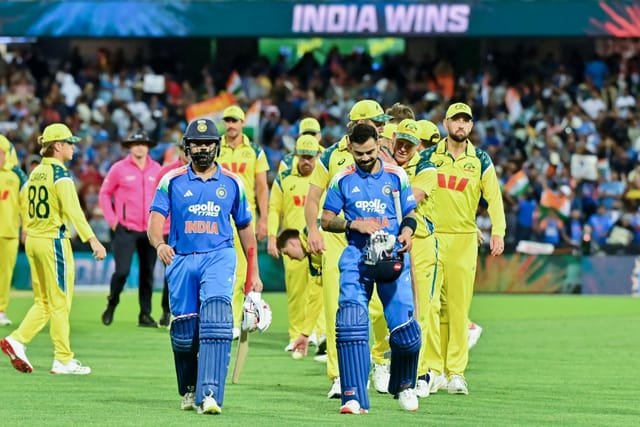
The future of Virat Kohli and Rohit Sharma remains one of the most closely watched storylines in Indian Cricket. While both batting icons continue to perform at an elite level in One-Day Internationals, questions about their availability for the 2027 ODI World Cup are increasingly shifting from form to fitness.
Former Indian all-rounder Ravichandran Ashwin has now offered a candid assessment of the situation, suggesting that injuries could pose a greater threat to the legendary duo’s World Cup ambitions than competition from younger players.
As India prepares for the next phase of its ODI journey, selectors face a delicate challenge: balancing the experience of two modern greats with the emergence of a new generation eager to establish itself on the international stage.
For Kohli and Rohit, the next 18 months could ultimately determine whether they get one final chance to chase World Cup glory.
Why Fitness Has Become the Biggest Talking Point
Few players in world cricket have maintained the consistency of Virat Kohli and Rohit Sharma over the past decade. Even after stepping away from T20 internationals and Test cricket, both continue to produce match-winning performances in the ODI format.
However, international cricket is increasingly demanding on aging athletes. Recovery periods are shorter, travel schedules are more intense, and physical fitness standards continue to rise.
Ashwin believes that maintaining peak physical condition will be crucial if both players are to remain part of India’s plans for the 2027 ODI World Cup.
The concern is understandable. Kohli is currently recovering from a hamstring injury, while Rohit has dealt with similar fitness setbacks during recent seasons.
At this stage of their careers, even minor injuries can influence selection discussions and create opportunities for younger players waiting in the wings.
Virat Kohli’s Form Remains Beyond Question
While fitness concerns exist, Kohli’s performances continue to silence any doubts regarding his cricketing ability.
Since focusing exclusively on ODI cricket, the former India captain has produced numbers that rival the best phases of his illustrious career.
His ability to adapt to changing match situations, anchor innings, and accelerate when required remains among the finest in world cricket.
More importantly, Kohli continues to thrive under pressure, a trait that becomes invaluable during major tournaments.
His recent performances suggest he remains one of India’s most dependable batters heading into the latter stages of his career.
For selectors, excluding a player producing such consistent results would be extremely difficult.
Rohit Sharma’s Challenge May Be Different
While Kohli’s fitness record has largely remained strong, Ashwin specifically highlighted Rohit Sharma’s recurring hamstring concerns.
Hamstring injuries can be particularly challenging for experienced cricketers because they often require careful workload management and can reoccur if not handled properly.
Rohit’s role as an opening batter adds another layer of importance. India rely heavily on his ability to provide fast starts and dictate the tempo of innings during the powerplay.
When fully fit, he remains one of the most destructive white-ball batters in the game.
Maintaining that fitness consistently over the next two seasons could become one of the defining factors in his World Cup aspirations.
The Reality of Competition From Younger Players
Indian cricket’s greatest strength is also one of its biggest selection challenges: depth.
Few countries possess the volume of talented young players currently emerging through India’s domestic and international pathways.
Every injury absence creates opportunities for another player to impress.
That reality is central to Ashwin’s warning.
If Kohli or Rohit miss significant cricket due to injury, selectors may be forced to explore alternative combinations. Strong performances from younger players could complicate future selection decisions.
In modern cricket, places are rarely guaranteed regardless of reputation.
Why the Team Management Holds the Key
Ashwin emphasized that India’s management team will play a critical role in determining whether Kohli and Rohit remain central figures heading toward 2027.
Managing experienced athletes requires a different approach than managing younger players.
Workload planning, rest periods, injury prevention programs, and targeted scheduling all become increasingly important.
If the management is committed to taking both players to the World Cup, they must create an environment that maximizes their availability and performance.
This strategy has been used successfully by several international teams that have extended the careers of elite athletes through intelligent planning.
The objective is not simply to keep players active but to ensure they peak during major tournaments.
The Importance of Experience at World Cups
One factor often overlooked during selection debates is the value of experience in global tournaments.
World Cups are unique competitions that test technical skill, mental strength, adaptability, and leadership.
Kohli and Rohit have participated in multiple ICC tournaments and understand the pressure associated with knockout cricket.
Their experience offers several advantages:
- Ability to handle high-pressure situations.
- Knowledge of tournament preparation.
- Leadership within the dressing room.
- Tactical understanding of major matches.
- Consistency against elite opposition.
These qualities often become decisive during the closing stages of international tournaments.
Can India Balance Experience and Youth?
The debate surrounding Kohli and Rohit should not be viewed as a choice between veterans and youngsters.
Successful World Cup teams generally combine both.
Younger players provide energy, athleticism, and fearlessness. Experienced players bring stability, leadership, and situational awareness.
The challenge for India is creating the right blend.
Ashwin’s comments suggest that maximizing the contributions of Kohli and Rohit while simultaneously developing future stars may offer the best path forward.
Rather than replacing experience, India could use it to accelerate the growth of the next generation.
| Player | Recent ODI Average | Key Concern | World Cup Value |
|---|---|---|---|
| Virat Kohli | 88.00 | Recent Hamstring Injury | Middle-Order Stability & Experience |
| Rohit Sharma | 51.12 | Recurring Hamstring Issues | Leadership & Explosive Starts |
The Emotional Motivation Behind 2027
Beyond statistics and fitness reports lies another powerful factor: motivation.
For Rohit Sharma, the memory of India’s defeat in the 2023 ODI World Cup final remains a significant chapter in his career.
The 2027 tournament could offer an opportunity for redemption and a chance to complete unfinished business.
For Kohli, another World Cup campaign would add to an already remarkable international legacy.
Great athletes often find extra motivation when pursuing one final major achievement, and both players appear determined to remain relevant at the highest level.
What India’s Selectors Will Be Watching
Over the next year and a half, selectors are likely to focus on several key factors:
- Fitness and injury management.
- Consistency in ODI performances.
- Availability for major series.
- Adaptability in overseas conditions.
- Leadership and influence within the squad.
If Kohli and Rohit continue delivering strong performances while staying fit, their path to the 2027 World Cup becomes significantly clearer.
However, recurring injuries could shift the conversation in favor of younger alternatives.
Why South African Conditions Could Favor Veterans
The 2027 ODI World Cup will be played in South Africa, Zimbabwe, and Namibia, regions known for pace-friendly surfaces and demanding conditions.
Historically, experienced batters have often thrived in such environments because of their ability to adjust technique and manage difficult phases of play.
Kohli and Rohit possess extensive experience across South African venues, which could become a major factor in India’s planning.
Their understanding of conditions may prove just as valuable as their run-scoring ability.
Conclusion
Ravichandran Ashwin’s comments highlight a crucial reality for Virat Kohli and Rohit Sharma: their biggest challenge on the road to the 2027 ODI World Cup may not be competition from younger players but maintaining fitness and availability.
Both batting legends continue to perform at an elite level, and their recent ODI records demonstrate they remain among India’s most important players. However, injuries and workload management will play a significant role in determining whether they earn one final World Cup opportunity.
For India, the ideal scenario involves combining the experience of Kohli and Rohit with the energy of a new generation. If that balance can be achieved, the team may enter the 2027 ODI World Cup with one of its strongest and most complete squads in recent memory.
For breaking news and live news updates, like us on Facebook or follow us on Twitter and Instagram. Read more on Latest Sports on thefoxdaily.com.






COMMENTS 0