The 2026 MLS Cup playoffs are continuing as teams compete for a place in the final on December 18. However, for the 12 clubs that failed to qualify, the focus has already shifted towards the offseason and preparations for the 2027 campaign.
With the next preseason not expected to begin until well into the new year, eliminated teams have time to examine their performances, identify weaknesses and decide what changes are needed. The 2027 MLS season is scheduled to begin on February 19, making the coming months important for clubs looking to return stronger.
From Inter Miami’s attacking firepower and Real Salt Lake’s late recovery to Orlando City’s defensive problems and CF Montréal’s organizational instability, every eliminated team has a different set of challenges. Here is a breakdown of what worked, what went wrong and what each club needs to improve ahead of 2027.
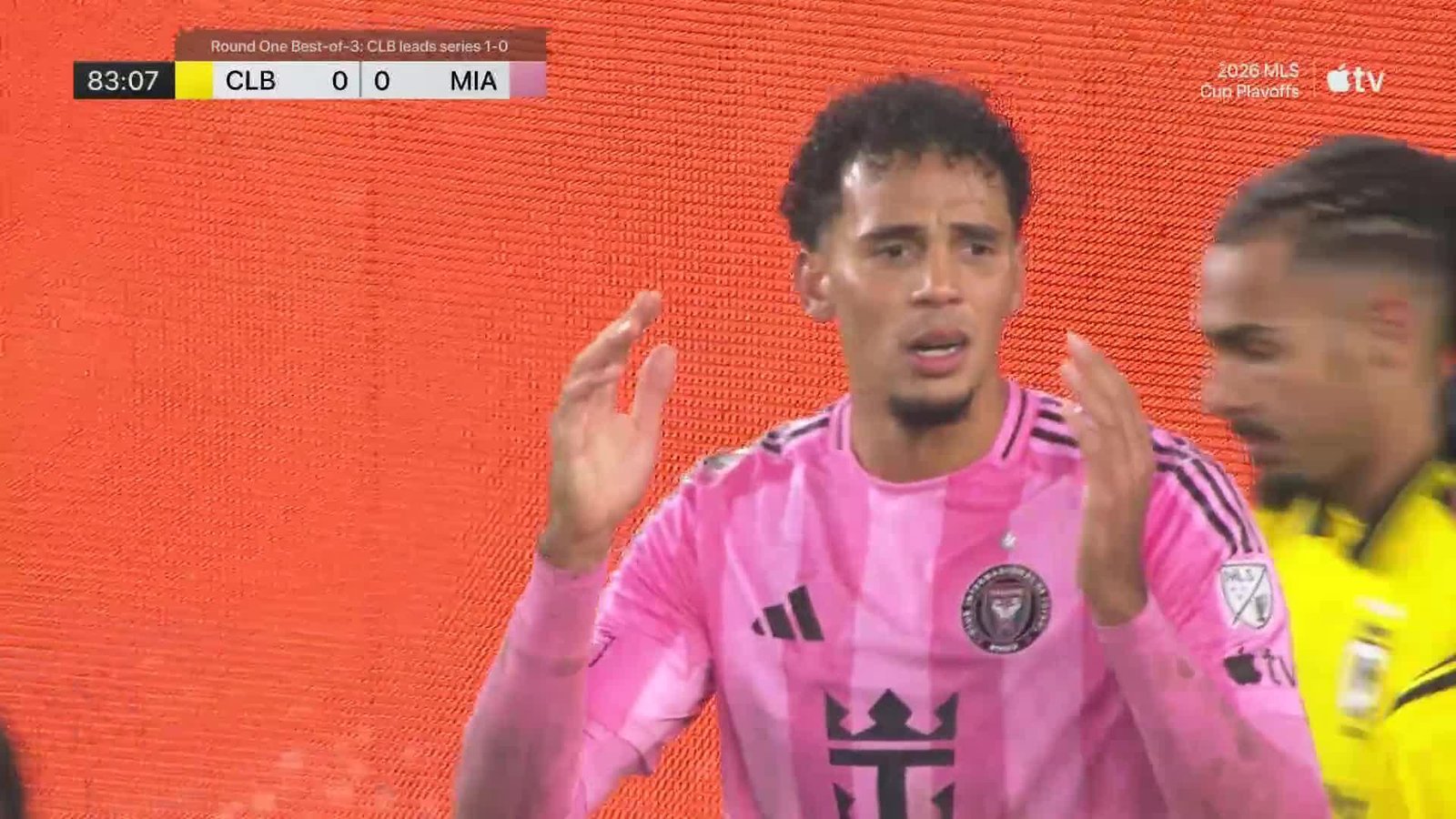
Inter Miami
Supporters’ Shield standing: 3rd
Other cup performances: Campeones Cup winners; eliminated in the CONCACAF Champions Cup round of 16; league phase of Leagues Cup; did not participate in the U.S. Open Cup.
Playoff performance: Eliminated in Round 1 by Columbus Crew, 2-0.
What went right in 2026: Inter Miami’s significant spending delivered results in attack. The Lionel Messi-led forward line was once again among the most productive in MLS, helping the Herons score 80 regular-season goals, the highest total in the league. Messi, the former Argentina captain, remained the central figure and was considered the presumptive MVP for a third consecutive year.
What went wrong in 2026: Miami’s attacking strength disappeared in the playoffs, where the team failed to score. Their problems, however, began much earlier. The club went through three managers, dealt with repeated defensive injuries and struggled to establish a consistent playing identity. The instability made it difficult to produce reliable results throughout the campaign.
Top offseason priority: Miami must decide whether Kily González is the right manager to lead the project. His team showed little improvement compared with the sides managed by Guillermo Hoyos and Javier Mascherano. Whoever takes charge, the club needs to make a clear decision and provide consistent backing. Frequent changes in the dugout and constant roster reshuffling have made stability a major requirement for 2027.
Real Salt Lake
Supporters’ Shield standing: 18th
Other cup performances: Reached the Leagues Cup quarterfinals; did not participate in the U.S. Open Cup.
Playoff performance: Eliminated in Round 1 by Vancouver Whitecaps, 2-0.
What went right in 2026: Sergi Solans emerged as an important attacking player after joining Real Salt Lake from the USL level. The 23-year-old Spaniard scored 15 goals, three times as many as any other player who finished the season with the club. His contribution was central to RSL’s ability to reach the playoffs.
What went wrong in 2026: The middle portion of the season proved extremely difficult. Real Salt Lake went 13 matches without a win and needed a strong finish to secure a place in the wild-card round on the final day of the regular season.
Top offseason priority: The club needs to add attacking quality, particularly out wide. The transfer of Zavier Gozo to Crystal Palace left a significant gap, while Diego Luna’s season-ending injury in September created another problem. With Luna’s return date uncertain, RSL must find replacements through its academy or the transfer market as it prepares for a future without Gozo.
Seattle Sounders
Supporters’ Shield standing: 16th
Other cup performances: Reached the Leagues Cup league phase; did not participate in the U.S. Open Cup.
Playoff performance: Did not qualify.
What went right in 2026: Seattle’s homegrown development system produced two notable positives. In February, the club transferred midfielder Obed Vargas to Atlético Madrid, providing evidence of its ability to develop players capable of moving to major European clubs. Sebastian Gomez also emerged as a promising young winger and scored the winning goal on Decision Day to send the Sounders into the playoffs.
What went wrong in 2026: Seattle’s decline continued amid unsuccessful signings, questionable squad construction and injuries. The club also endured a rivalry setback and a club-record winless streak. Its season ultimately ended in the wild-card round, with Rafael Cabral proving difficult to beat. The Real Salt Lake goalkeeper made three penalty saves and four additional stops from open play.
Top offseason priority: Seattle needs to spend more effectively on its highest-paid players. Dejan Joveljić has been a productive MLS striker, but several other expensive players have not delivered the expected impact. Jordan Morris’ new contract has not worked out as hoped, Pedro de la Vega has struggled to meet expectations and Albert Rusnák has not consistently reached the level required. The Sounders need greater ambition in the transfer market and more high-quality attacking talent.
Orlando City
Supporters’ Shield standing: 15th
Other cup performances: U.S. Open Cup semifinals; Leagues Cup league phase.
Playoff performance: Did not qualify.
What went right in 2026: Martín Ojeda demonstrated that his 16-goal performance in 2025 was no one-season achievement, matching that total again in 2026. However, Antoine Griezmann became Orlando’s most dangerous goal scorer after joining the club in July. He scored 14 goals in only 18 appearances.
What went wrong in 2026: Orlando’s defensive record was among the worst in MLS history. The Lions conceded 78 goals during the regular season, finishing with the second-worst defensive record in league history. They then allowed another three goals in their wild-card defeat to Cincinnati.
Top offseason priority: Improving the defense must be Orlando’s main objective. The club needs significant changes across the back line, but defensive recruitment alone will not solve the problem. The midfield frequently failed to provide adequate protection, leaving defenders exposed. Adding a more defensively responsible midfielder will also be important.
Minnesota United
Supporters’ Shield standing: 19th
Other cup performances: U.S. Open Cup round of 16; Leagues Cup league phase.
Playoff performance: Did not qualify.
What went right in 2026: Minnesota United gave itself a chance of reaching the playoffs on Decision Day despite a difficult campaign. The club finished the season with a seven-match unbeaten run. Kelvin Yeboah played a major role in that recovery, recording four goals and two assists during the closing stretch and finishing the season with 18 goals.
What went wrong in 2026: A disastrous middle section of the campaign left the Loons with too much ground to recover. At one point, they managed only one victory across 18 matches. The poor run lasted for a substantial part of the season and ultimately prevented the club from building enough momentum to secure a playoff place.
Top offseason priority: Minnesota must first establish its leadership structure. The club does not have a sporting director following Khaled El-Ahmad’s departure for Austin, and several player contracts are approaching expiration. Yeboah and Joaquín Pereyra are two players the club can consider building around, but decisions about recruitment and contract renewals will depend on who takes charge of the sporting operation.
LA Galaxy
Supporters’ Shield standing: 20th
Other cup performances: CONCACAF Champions Cup quarterfinals.
Playoff performance: Did not qualify.
What went right in 2026: The Galaxy’s attack finished the campaign strongly. The club scored 19 goals in its final seven matches and came close to securing a playoff place despite its difficult season.
What went wrong in 2026: The season began with a major setback when Riqui Puig suffered another knee injury and was ruled out for the entire year. The Galaxy struggled to recover from his absence and appeared to spend much of the campaign trying to adjust their plans.
Top offseason priority: LA Galaxy need a clear direction and a long-term foundation. The club still has talented players, but its approach has lacked consistency. After winning MLS Cup two years earlier, the Galaxy have spent much of the recent period moving players in and out while trying to repair the squad. Whether Puig can be relied upon going forward or not, the organization needs a defined playing identity and a stable plan.
Colorado Rapids
Supporters’ Shield standing: 21st
Other cup performances: U.S. Open Cup semifinals.
Playoff performance: Did not qualify.
What went right in 2026: Colorado were strong at Dick’s Sporting Goods Park, finishing with a 10-4-3 home record. The club also made a significant attacking addition by signing Morgan Whittaker, who scored five goals after joining in September.
What went wrong in 2026: Consistency remained a major problem. The Rapids showed they could compete with the strongest teams in the league, but they also produced performances that placed them among the weakest. Their late-season form was particularly disappointing, with only one win in their final nine matches, although that victory came against Western Conference leaders Vancouver.
Top offseason priority: Colorado need to strengthen their central defense. The club could use money from Lucas Herrington’s summer transfer to bring in a quality centre-back alongside Rob Holding, whose contract situation also needs attention. Improving that area could help the Rapids become more competitive in the playoffs in 2027.
Red Bull New York
Supporters’ Shield standing: 22nd
Other cup performances: U.S. Open Cup round of 16.
Playoff performance: Did not qualify.
What went right in 2026: The Red Bulls continued to demonstrate the strength of their player-development system. Teenagers Julian Hall and Adri Mehmeti performed well enough to earn opportunities with the United States men’s national team. Matthew Dos Santos also became an important part of the team, while 21-year-old Ronald Donkor delivered impressive performances.
What went wrong in 2026: The biggest weakness was the attack. New York struggled to create enough danger when opponents prevented them from pressing effectively or moving into transition opportunities. Without those situations, the team lacked a consistent threat in front of goal.
Top offseason priority: The Red Bulls need more creativity in the attacking half. Players capable of creating chances and beating defenders with the ball are difficult to develop and expensive to recruit. However, the club must find a way to add one or two attacking players who can make a difference against organized defenses.
New York City FC
Supporters’ Shield standing: 23rd
Other cup performances: U.S. Open Cup quarterfinals; Leagues Cup league phase.
Playoff performance: Did not qualify.
What went right in 2026: Nicolás Fernández enjoyed an outstanding first full season in New York. The Argentine forward scored 16 goals and supplied 11 assists, often carrying much of NYCFC’s attacking responsibility.
What went wrong in 2026: The team’s campaign fell apart after July 31. NYCFC had not been dominant during the first half of the season, but it remained in a position to challenge for a playoff place. The club then managed only two additional victories and was mathematically eliminated before Decision Day.
Top offseason priority: Squad depth must be a priority after injuries exposed the team’s lack of reliable alternatives. The club even needed to bring in Matt Miazga late in the campaign to help stabilize a struggling defense. NYCFC have quality among their leading players, but the overall squad lacks sufficient depth. With the new stadium scheduled to open next summer, the club will want a stronger group capable of competing from the beginning of the new campaign.
Toronto FC
Supporters’ Shield standing: 24th
Other cup performances: Canadian Championship preliminary round.
Playoff performance: Did not qualify.
What went right in 2026: Toronto showed promise when Josh Sargent, Djordje Mihailovic and Niklas Dorsch were available together. The three players, who represent the club’s leading additions across the previous three transfer windows, provide a foundation around which Toronto can continue building.
What went wrong in 2026: Injuries affected the team throughout the season and were particularly damaging away from home. Toronto finished with a record of three wins, three draws and 11 losses on the road, highlighting the difficulty they had maintaining consistent performances outside BMO Field.
Top offseason priority: Toronto need to improve the attacking support around Sargent. The striker scored 10 goals and provided four assists in his first season in Canada, but the club invested $22 million in him and will expect greater production. The defense also requires significant work, while the attack needs another creative player to operate alongside Mihailovic and help Sargent become the central figure the club expects him to be.
San Diego FC
Supporters’ Shield standing: 25th
Other cup performances: Leagues Cup league phase.
Playoff performance: Did not qualify.
What went right in 2026: Anders Dreyer continued to deliver strong attacking performances, finishing with 14 goals and 14 assists. Midseason signing Elias Achouri also produced some promising moments. San Diego had enough quality in its forward line to challenge for another postseason appearance.
What went wrong in 2026: Disciplinary problems repeatedly damaged the team’s chances. San Diego received eight red cards during the campaign, forcing the club to play with 10 men on numerous occasions. Those dismissals interrupted momentum and made it difficult to secure results.
Top offseason priority: The defense needs major investment. San Diego conceded 29 goals during a nine-match winless run that began in early September, showing how serious the problem became. Luca Bombino’s departure also weakened the back line. The club received $5 million from his transfer to Stoke City and needs to use that money to improve its defensive options.
Austin FC
Supporters’ Shield standing: 26th
Other cup performances: U.S. Open Cup round of 32; Leagues Cup quarterfinals.
Playoff performance: Did not qualify.
What went right in 2026: Ervin Torres made an encouraging start to his professional career. The 18-year-old homegrown midfielder impressed early in the season and eventually earned a regular starting role by late summer. His passing range offered Austin a promising young player to build around.
What went wrong in 2026: Austin’s campaign began poorly, with the team failing to win any of its first nine matches. Its problems in attack and defense continued throughout the season. The club also faced a dispute with supporters after a fan was ejected for wearing an “abolish ICE” shirt at a match, leading to a boycott.
Top offseason priority: Austin must provide its new leadership with the support needed to turn the club around. Khaled El-Ahmad has been installed as chief soccer officer, while Jim Curtin is taking over as manager. The new leadership will need resources to rebuild a squad that requires improvements across several positions. The club has multiple areas to address and cannot afford to delay important decisions.
Atlanta United
Supporters’ Shield standing: 27th
Other cup performances: U.S. Open Cup quarterfinals.
Playoff performance: Did not qualify.
What went right in 2026: Atlanta’s signing of Breel Embolo offered a positive development after earlier expensive additions Emmanuel Latte Lath and Alexey Miranchuk delivered limited returns. Embolo scored four goals and added one assist in 11 matches, giving the club a well-rounded striker to build around.
What went wrong in 2026: Atlanta struggled whenever matches became faster and more open. The Five Stripes could be effective in slower, more controlled games, but they often looked disorganized when opponents increased the pace. That weakness proved costly over the course of the campaign.
Top offseason priority: Atlanta need alignment across their leadership and coaching structure. The club has changed its strategy and leadership several times since 2019. Mauricio Culebro joined as president of soccer in March after leaving Tigres UANL and must now decide how to work with chief soccer officer Chris Henderson and manager Tata Martino. Whatever decisions are made, the club needs a shared vision and a clear plan for the future.
D.C. United
Supporters’ Shield standing: 28th
Other cup performances: U.S. Open Cup round of 32.
Playoff performance: Did not qualify.
What went right in 2026: Sporting director Erkut Sogut faced questions when D.C. United appointed him despite his lack of previous experience in a club front office. However, his first signing of the previous offseason, Tai Baribo, proved successful. The forward scored 16 goals after arriving from Philadelphia.
What went wrong in 2026: Other recruitment decisions did not produce similar results. Louis Munteanu struggled to justify his $7 million price tag, while manager René Weiler found his first MLS campaign difficult. The team’s problems extended beyond its leading scorer and affected its overall performance.
Top offseason priority: D.C. United are pursuing major financial support from Washington, D.C., including hundreds of millions of dollars for a roof over Audi Field and other improvements. However, the club also needs to demonstrate ambition on the pitch. Having missed the playoffs for seven consecutive years, United must make recruitment, coaching and squad development central priorities rather than allowing stadium plans to dominate the conversation.
Sporting Kansas City
Supporters’ Shield standing: 29th
Other cup performances: U.S. Open Cup round of 32.
Playoff performance: Did not qualify.
What went right in 2026: Peter Mallouk’s purchase of Sporting Kansas City before the season gave the club a reason for optimism. His early investment in the squad included the $18 million signing of André Luiz, who proved to be a major success and strengthened the attack.
What went wrong in 2026: Several offseason decisions failed to deliver the expected results. New president of soccer operations David Lee had months to prepare for the campaign, but many recruitment moves did not work out. Manager Raphaël Wicky also struggled to improve the team after his appointment. Although the squad needed a longer rebuild following years of poor construction, its performances were not good enough to match the available talent.
Top offseason priority: Sporting need to continue rebuilding, with defensive recruitment at the top of the list. The addition of Luiz improved the attack during the second half of the season, but the defense remained the weakest in MLS. A new manager could help correct structural problems, but the club also needs to be aggressive in the transfer market and overhaul its back line.
CF Montréal
Supporters’ Shield standing: 30th
Other cup performances: Canadian Championship runners-up.
Playoff performance: Did not qualify.
What went right in 2026: Prince Owusu continued to deliver goals after an impressive first season in Montréal. Having scored 13 goals in 2025 following his move from Toronto, the striker improved his output to 15 goals in 2026 and remained one of the club’s most important attacking players.
What went wrong in 2026: Montréal struggled across almost every other area. Despite having a productive striker, the club finished as the worst team in the Eastern Conference and dismissed another manager. They have now had four different managers since Wilfried Nancy left four years ago. Problems with supporters also grew, with the club alienating its supporters’ groups to such an extent that its biggest fans boycotted the final part of the season.
Top offseason priority: Montréal need more than a few changes to repair the club. Re-signing Owusu, appointing a manager and upgrading several areas of the roster are all important, but the larger issue is organizational stability. The club needs investment in its facilities and squad, particularly with the calendar change approaching. Ownership must provide a stronger foundation so that recruitment, coaching and long-term planning can move in the same direction.
What the eliminated MLS teams must address before 2027
The 12 eliminated clubs enter the offseason with different needs, but several common themes stand out. Inter Miami must establish managerial stability, while Real Salt Lake need to replace important attacking contributors. Seattle and Red Bull New York require more effective investment in their attacking options, and Orlando City must rebuild a defense that conceded 78 regular-season goals.
Other clubs face broader structural challenges. Minnesota United need to appoint a sporting director and resolve important contract questions. LA Galaxy must establish a clear identity, while Austin FC and Atlanta United need alignment between their new leadership and coaching structures. D.C. United, Sporting Kansas City and CF Montréal must also address long-running issues involving squad construction, investment and organizational direction.
For Toronto and San Diego, improving defensive performance and providing better support to their leading attackers will be important. Colorado Rapids must find greater consistency and strengthen their central defense, while New York City FC need enough depth to withstand injuries throughout a long season.
With the 2027 MLS campaign scheduled to begin on February 19, the offseason gives every eliminated club an opportunity to respond. The teams that make clear decisions, recruit carefully and address the weaknesses exposed in 2026 will have a stronger foundation when the new season begins.
For breaking news and live news updates, like us on Facebook or follow us on Twitter and Instagram. Read more on Latest Football on thefoxdaily.com.

COMMENTS 0