Elite sports careers are often measured through titles, records, and defining moments under pressure. But for public figures, another challenge frequently unfolds away from competition: managing reputation during periods of controversy.
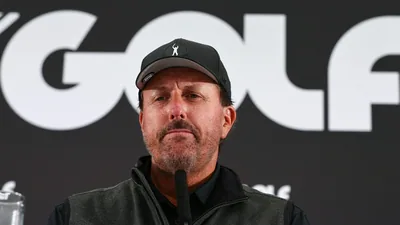
Recent renewed attention surrounding historical allegations connected to professional golfer Phil Mickelson has generated discussion not only about public accountability but also about the role of family support during periods of intense public scrutiny.
While public conversations have focused heavily on reports revisiting alleged past conduct, attention has also turned toward the response from those closest to him—particularly his wife, Amy Mickelson, who has remained publicly supportive.
The story reflects a broader reality in modern sports: controversies increasingly become conversations about character, trust, public perception, and how families navigate difficult moments under constant attention.
Why Stories Like This Extend Beyond Sports Headlines
Professional athletes today operate in an environment where careers are documented continuously and public narratives can evolve long after events originally occurred.
When previously reported allegations return to public discussion, the impact often reaches beyond the athlete.
These moments affect:
- Personal reputation
- Family relationships
- Professional partnerships
- Public trust
- Career legacy
That dynamic explains why reactions from family members and representatives often become part of the public conversation.
The Public Response Around Phil Mickelson and Family Support
According to public reporting, renewed media attention revisited previously discussed allegations involving alleged past inappropriate conduct. Public statements attributed to representatives have emphasised support from within the family and highlighted themes of accountability, personal growth, and long-term commitment.
No new legal findings or independent determinations were presented within the renewed reporting.
That distinction matters because public attention and formal conclusions are not the same thing.
Public discussions surrounding allegations should not be interpreted as proof of wrongdoing.
Amy Mickelson’s Public Role Through Different Chapters of Life
For many sports fans, Amy Mickelson has long been associated with a different public narrative—one centred on resilience and family.
Years earlier, her health journey received significant public attention and became an important chapter in the family’s public story.
During that period, Phil Mickelson publicly adjusted professional commitments while supporting treatment and recovery.
The experience became one of several moments that shaped how audiences viewed the couple beyond golf.
Over time, their public image developed around themes of endurance, family support, and long-term partnership.
How Reputation Works in Modern Professional Sports
Sports careers increasingly exist in two parallel worlds:
| Competitive Career | Public Reputation |
|---|---|
| Performance results | Public conduct |
| Titles and rankings | Trust and credibility |
| Career achievements | Personal accountability |
| Statistics | Public perception |
| Professional success | Long-term legacy |
Success in one area does not automatically determine outcomes in the other.
This reality has changed how athletes, teams, and audiences think about leadership and public responsibility.
The Difference Between Allegations and Accountability
Modern audiences increasingly expect public figures to respond thoughtfully when criticism or allegations emerge.
At the same time, public conversation often moves faster than formal processes.
Responsible discussion requires distinguishing between:
- Claims and verified findings
- Public reaction and evidence
- Media attention and accountability
- Opinion and established facts
That distinction helps maintain fairness while allowing meaningful conversations about expectations and conduct.
Why Family Responses Often Receive Attention
In high-profile situations, statements from spouses or close family members frequently attract attention because they represent a personal dimension not visible in competition.
Public support does not automatically resolve criticism or answer broader questions.
However, such responses often become part of how audiences interpret character, relationships, and long-term resilience.
For public figures, private challenges rarely remain entirely private.
The Bigger Conversation: Can Legacy Evolve?
One of the recurring debates in sports is whether legacy should be defined only by achievements—or by how people respond to difficult periods.
Supporters often emphasise growth and accountability.
Critics may focus on expectations attached to public influence.
There is rarely complete agreement.
What remains consistent is that audiences increasingly evaluate careers through both performance and conduct.
Lessons for the Modern Sports Era
Stories like this illustrate broader changes happening across professional sports and public life.
- Public visibility lasts longer than ever
- Reputation can shift quickly
- Personal relationships become visible narratives
- Accountability conversations continue long after competition ends
For athletes, success increasingly depends not only on performance but also on how challenges are addressed publicly and privately.
Conclusion
The renewed attention surrounding Phil Mickelson reflects how modern sports stories extend beyond results and records.
Public scrutiny, family support, reputation management, and expectations of accountability now shape how careers are remembered.
As conversations continue, one reality remains clear: in today’s sports landscape, legacy is built not only through victories—but also through how difficult moments are navigated over time.
For breaking news and live news updates, like us on Facebook or follow us on Twitter and Instagram. Read more on Latest Sports on thefoxdaily.com.

COMMENTS 0