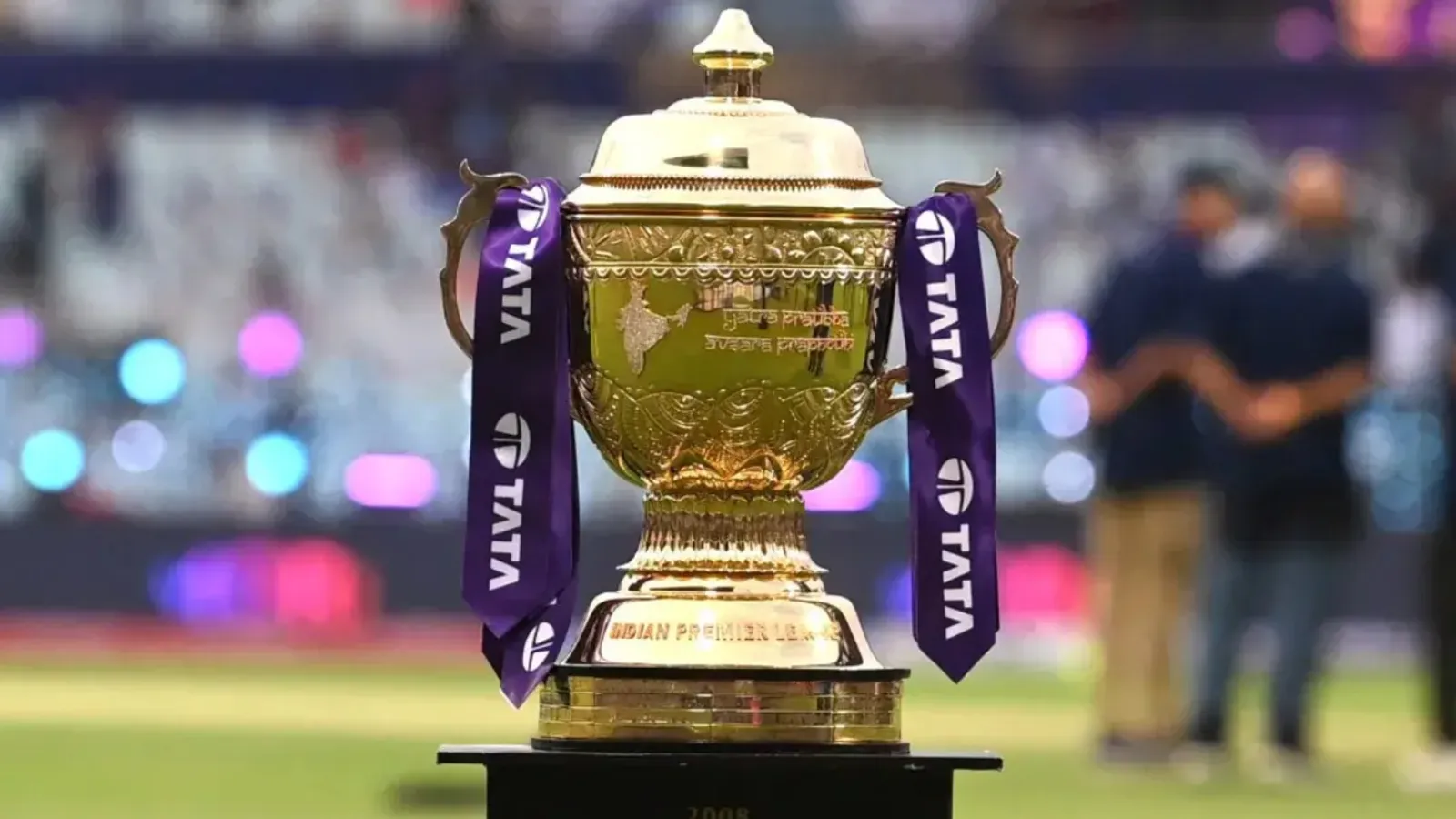
The Indian Premier League (IPL) auction is set to return to India, with Goa scheduled to host the 2027 mini-auction on December 16, 2026. The Board of Control for Cricket in India (BCCI) has communicated the proposed venue and schedule to all 10 franchises as teams begin preparing for another crucial player recruitment period ahead of the new season.
According to a report by Cricbuzz, the auction will take place at the ITC Grand Goa, marking the return of the IPL’s player auction to Indian soil after three consecutive editions were held overseas. The auctions for the 2024, 2025 and 2026 IPL seasons took place in Dubai, Jeddah and Abu Dhabi, respectively.
The BCCI has also scheduled a franchise briefing for December 15, one day before the auction. The meeting will allow team representatives to review the relevant procedures, confirm administrative arrangements and prepare for the bidding process.
With squad planning, player retention decisions and potential trades shaping the build-up to the event, the Goa auction is expected to be an important milestone in preparations for IPL 2027. All 10 franchises will aim to use their available budgets strategically as they look to strengthen their squads for the upcoming campaign.
IPL 2027 Mini-Auction: Key Dates, Venue and Schedule
The BCCI’s communication to the franchises marks the beginning of the final planning phase for the IPL 2027 mini-auction. Team delegations will need to organise travel, accommodation and other arrangements before arriving in Goa for the two-day schedule of official activities and auction preparations.
The main event will take place on December 16, while the franchise briefing is scheduled for December 15. The meeting will provide an opportunity for teams to clarify auction procedures and review important squad-management regulations before bidding begins.
Important IPL 2027 Auction Details
- Auction date: December 16, 2026.
- Franchise briefing: December 15, 2026.
- Host city: Goa, India.
- Reported venue: ITC Grand Goa.
- Auction format: Mini-auction.
- Participating franchises: All 10 IPL teams.
- Significance: The auction is set to return to India after three consecutive overseas editions.
BCCI officials have previously indicated that the board intended to bring the auction back to India after staging recent events at international venues. BCCI secretary Devajit Saikia was quoted by ANI as saying that, following auctions held in foreign locations, the next event would be hosted in Goa in December.
The choice of Goa offers a domestic setting for the auction while allowing the BCCI to organise the event at a major hospitality venue. The board and franchises will now focus on the practical arrangements required to ensure that the bidding process runs smoothly.
Why the Return of the IPL Auction to India Matters
The return of the auction to India is a notable development for the IPL after three consecutive overseas editions. The auction is one of the league’s most closely followed events, attracting attention from fans, broadcasters, team officials and cricket analysts as franchises compete to secure players who can improve their chances of winning the tournament.
Holding the event in India also restores a familiar setting for the franchise bidding process. Over the years, the IPL Auction has been hosted in several Indian cities, with Bengaluru, Mumbai and Chennai among the locations associated with major player acquisitions and memorable bidding contests.
The move overseas in recent years gave the event an international setting. Dubai hosted the auction for the 2024 season in December 2023, followed by Jeddah for the 2025 mega-auction in November 2024. Abu Dhabi then hosted the auction for the 2026 season in December 2025.
Goa’s selection represents a return to the domestic venues that shaped the auction’s earlier history. The event is also expected to generate considerable interest because franchises will be looking to address weaknesses exposed during previous seasons and identify players capable of delivering immediate results.
However, the mini-auction format differs from a mega-auction. Teams generally enter a mini-auction with a core squad already in place, allowing them to focus on specific requirements rather than rebuilding their entire line-ups. Decisions about player releases, available budgets and remaining squad positions will therefore be central to each franchise’s strategy.
Franchise Briefing on December 15: What Teams Need to Prepare
The BCCI has scheduled an official briefing for franchise representatives on December 15, a day before the main auction. The meeting is expected to cover administrative requirements and provide teams with an opportunity to review the procedures governing the event.
All 10 franchises have been contacted by the board’s logistics team as preliminary arrangements begin. Teams have been asked to confirm the size of their delegations, helping organisers coordinate accommodation, travel options and operational requirements at the reported venue.
The briefing will also be important for squad planning. Franchise officials need to understand their available purse balances, the number of positions they can fill and the deadlines associated with player releases and registrations.
Key Areas for Franchise Discussions
- Available auction purse: Teams will need to assess their remaining budgets before entering the bidding process.
- Retention and release decisions: Franchises must finalise their squad plans and identify players they intend to retain or release under the applicable rules.
- Player registration: Updated deadlines and administrative requirements will be important for teams preparing their auction lists.
- Squad composition: Each franchise will need to balance specialist roles, overseas-player requirements and available squad positions.
- Impact Player regulations: Any confirmed changes or clarifications to the relevant rules could influence team selection and recruitment strategies.
- Travel and accommodation: Delegation sizes and logistics must be confirmed before teams arrive in Goa.
The briefing is particularly important because auction decisions often depend on several factors at once. A franchise may need a specialist batter, an overseas fast bowler or an additional all-rounder, but its ability to pursue those players will depend on its remaining purse and squad vacancies.
Teams that complete their planning early may be better positioned to react when bidding becomes competitive. However, the auction can also produce unexpected price increases, forcing franchises to reconsider their priorities as the event progresses.
IPL 2027 Trade Window: Teams Look to Strengthen Their Squads
Player trading is another important part of the build-up to an IPL season. Before entering the auction, franchises evaluate their existing squads and consider whether trades could help them improve team balance or address specific weaknesses.
Trading can allow teams to acquire players who better suit their tactical plans while helping other franchises reorganise their squads. Financial considerations are also important, as player movements can affect the resources available for subsequent auction bids.
Any confirmed trade involving an IPL player must be understood in the context of the BCCI’s applicable rules and official announcements. The reported movement of players between franchises should therefore be checked against formal team and board communications before being treated as final.
Squad Planning Before the Auction
Franchises generally assess their requirements well before auction day. Teams that have struggled with their batting depth may prioritise middle-order options, while those that have conceded too many runs could look for fast bowlers, spinners or all-rounders who can strengthen their bowling attack.
Other teams may focus on backup players who can cover injuries or provide greater flexibility during the tournament. The mini-auction format makes these decisions especially important because franchises usually have an established core and only a limited number of opportunities to make significant changes.
The final balance between trades and auction purchases will depend on each team’s existing squad, available purse and tactical priorities. As December approaches, these decisions are likely to become a major part of the discussion surrounding IPL 2027.
Coaching Changes Could Influence IPL 2027 Auction Strategies
Coaching and support-staff decisions can influence how franchises approach the auction. A change in leadership may bring new tactical priorities, different assessments of existing players and a revised approach to recruitment.
However, individual appointments and departures should be considered official only when confirmed by the relevant franchises. Any reported coaching changes ahead of IPL 2027 will need to be verified through reliable announcements before their impact on team strategies can be assessed with confidence.
For established franchises, continuity can be valuable because coaching staff often develop long-term recruitment plans around particular playing styles. A new coach, meanwhile, may prefer to recruit players who fit a different approach to batting, bowling or fielding.
These considerations can influence bidding decisions at the mini-auction. Teams may prioritise players with specific skills, seek additional depth in key positions or target experienced performers who can help younger members of the squad develop.
Why Coaching Stability Matters
Successful auction planning involves more than identifying the most recognisable names. Franchises must recruit players who fit their tactical systems and complement the strengths of their retained squad members.
A coach who prefers an aggressive batting approach may value power hitters and flexible all-rounders, while a team focused on controlling the middle overs could place greater emphasis on specialist spinners and bowlers with strong variations.
The mini-auction gives franchises an opportunity to address such requirements without making wholesale changes to their squads. The teams that identify their needs clearly and maintain discipline during bidding could benefit most from the process.
IPL Auction History: From Mumbai to International Venues
Since the IPL began in 2008, its player auction has developed into one of the most closely watched events in franchise cricket. What started as a recruitment process for the league’s inaugural teams has become a major sporting occasion, with high-profile players attracting intense bidding and sometimes record-breaking fees.
The auction has moved between cities and venues over the years, reflecting the league’s growth and the BCCI’s changing logistical plans. Mumbai, Bengaluru and Chennai have played important roles in the auction’s domestic history, while recent editions have taken the event to the Middle East.
The Early Years: Mumbai and Goa
The inaugural IPL auction was held in Mumbai on February 20, 2008. It established the foundation for the league’s franchise-based player recruitment model, with teams bidding for leading international stars and Indian players ahead of the first season.
MS Dhoni became one of the most notable acquisitions of that inaugural auction after Chennai Super Kings secured the former India captain for a reported $1.5 million. His signing became an important moment in the early history of the franchise and the competition.
Goa also has a place in the IPL auction’s history. The 2009 auction was held at the Taj Aguada, where English players Kevin Pietersen and Andrew Flintoff attracted joint-highest bids. The return of the auction to Goa for the 2027 season would therefore bring the event back to a city that previously hosted one of its early editions.
Mumbai and Bengaluru Become Major Auction Centres
Mumbai continued to host important auction events, including the 2010 auction at the Trident Hotel. That edition featured competitive bidding for players such as Kieron Pollard and Shane Bond, demonstrating how franchises were increasingly prepared to invest heavily in players they believed could transform their squads.
Bengaluru subsequently became one of the IPL’s most familiar auction locations. ITC Gardenia hosted several major events, including the mega-auctions of 2011, 2014, 2018 and 2022, as well as mini-auctions in 2012, 2015 and 2016.
Some of the most memorable player acquisitions took place during auctions in Bengaluru. Kolkata Knight Riders secured Gautam Gambhir for a then-record ₹14.9 crore in 2011, while Royal Challengers Bengaluru acquired Yuvraj Singh for ₹14 crore in 2014.
The 2022 auction also produced a major purchase when Ishan Kishan was acquired for ₹15.25 crore. The bidding illustrated how franchises increasingly valued players who could contribute across multiple situations and provide long-term options in key batting positions.
The 2017 auction was held at The Ritz-Carlton in Bengaluru, further strengthening the city’s association with the event.
Other Indian Cities Host Important Auctions
The BCCI also used other major Indian cities for different editions. Chennai’s ITC Grand Chola hosted auctions in 2013 and 2021, while Jaipur’s Marriott Hotel hosted the 2018 auction for the 2019 season.
Kolkata’s ITC Royal Bengal hosted the 2019 auction for the 2020 season. Kochi’s Grand Hyatt Hotel staged the mini-auction for the 2023 season in December 2022, where Sam Curran became the most expensive player at the time after being acquired for ₹18.5 crore by Punjab Kings.
These venues became associated with important squad-building decisions as franchises competed to secure players who could influence the outcome of future IPL seasons. The auctions also demonstrated the growing financial scale of the competition.
Why the IPL Auction Moved Overseas
The IPL auction’s international expansion added a new dimension to the event. Beginning with the auction for the 2024 season in December 2023, the BCCI moved the process to Dubai, marking the first time the IPL auction was held outside India.
The event took place at Coca-Cola Arena and produced a major bidding contest for Australian fast bowler Mitchell Starc. Kolkata Knight Riders secured Starc for ₹24.75 crore, setting a record at the time and generating widespread discussion about the prices franchises were willing to pay for elite players.
The following year’s mega-auction was held in Jeddah, Saudi Arabia, in November 2024 for the 2025 IPL season. The event produced another set of record-breaking purchases, with Rishabh Pant becoming the most expensive player in IPL history at that point after Lucknow Super Giants acquired him for ₹27 crore.
Punjab Kings also made a major investment in Shreyas Iyer, securing the batter for ₹26.75 crore. The figures reflected the financial stakes involved in building a competitive squad ahead of the tournament.
The auction for the 2026 season was held in Abu Dhabi in December 2025. Kolkata Knight Riders secured Australian all-rounder Cameron Green for ₹25.2 crore, setting a new overseas-player record according to the supplied auction account.
After three consecutive overseas editions, the planned return to Goa represents a change in location while maintaining the auction’s international profile. The event will continue to attract attention from fans across the world, regardless of where the bidding takes place.
What to Expect From the IPL 2027 Mini-Auction
The mini-auction is likely to focus on targeted recruitment rather than a complete restructuring of the 10 franchises. Teams will assess their current squads, identify gaps and determine how much of their available purse they can allocate to particular roles.
Some franchises may prioritise experienced international players who can make an immediate impact, while others could focus on promising domestic cricketers who offer long-term value. The balance between established names and emerging talent will depend on the needs of each team.
Potential Priorities for Franchises
- Batting depth: Teams may seek additional top-order or middle-order options to strengthen their run-scoring potential.
- Fast-bowling resources: Franchises could target pace bowlers capable of delivering in the powerplay and at the death.
- Spin options: Specialist spinners and versatile bowling all-rounders may be valuable depending on team balance and conditions.
- All-rounders: Players who contribute with both bat and ball can provide flexibility when teams select their playing XI.
- Backup players: Franchises may use available funds to improve squad depth and prepare for injuries or changes in form.
- Budget management: Teams will need to avoid overspending on a single target if doing so prevents them from filling other important positions.
Mini-auctions can be unpredictable because a limited number of players may fit a particular team’s requirements. If several franchises target the same player, the bidding price can rise rapidly, forcing teams to choose between pursuing their first preference and switching to alternative options.
Successful recruitment therefore depends on preparation, financial discipline and the ability to adapt. Franchises that arrive in Goa with clear priorities and realistic valuations could be better positioned to strengthen their squads efficiently.
December 16: A Busy Day for Indian Cricket
The scheduled auction date also coincides with an international fixture on India’s home calendar, with an ODI against Sri Lanka listed for December 16 in Bengaluru in the supplied report.
Coordinating two major cricket events on the same day creates logistical considerations for the BCCI, particularly in relation to broadcast schedules, travel arrangements and operational planning. The board’s logistics team will need to manage these requirements to ensure that both events proceed smoothly.
The overlap also highlights the crowded nature of the international and domestic cricket calendar. The IPL auction attracts significant attention because it determines how franchises shape their squads, while an international match brings its own audience and broadcasting commitments.
Careful scheduling and coordination will be important to prevent operational conflicts and ensure that the auction and the international fixture receive adequate coverage.
Conclusion: IPL Auction Returns Home for the 2027 Season
The IPL 2027 mini-auction is scheduled to take place in Goa on December 16, 2026, with a franchise briefing planned for December 15. According to the reported arrangements, the ITC Grand Goa will host the event, marking the return of the auction to India after three consecutive editions overseas.
The venue announcement begins an important phase of preparation for the 10 franchises. Teams will need to review their available budgets, finalise retention and release decisions, assess their squad requirements and complete the necessary administrative arrangements before the bidding begins.
The auction’s return to Goa also reconnects the event with its domestic history. From the inaugural auction in Mumbai to memorable bidding contests in Bengaluru and the recent editions in Dubai, Jeddah and Abu Dhabi, the IPL auction has grown into a major event in the global cricket calendar.
As December approaches, attention will increasingly turn to franchise strategies, player availability and the potential for another round of competitive bidding. The teams that make smart decisions and use their remaining funds effectively will hope to leave Goa with stronger squads for the 2027 season.
Key details: The IPL 2027 mini-auction is scheduled for December 16, 2026, in Goa, with a franchise briefing on December 15. The event is expected to bring the auction back to India after three consecutive overseas editions.
Note: The schedule and venue details above are based on the supplied report. Reported player trades, coaching appointments and other developments should be checked against official BCCI and franchise announcements before being treated as confirmed.
For breaking news and live news updates, like us on Facebook or follow us on Twitter and Instagram. Read more on Latest Cricket on thefoxdaily.com.






COMMENTS 0