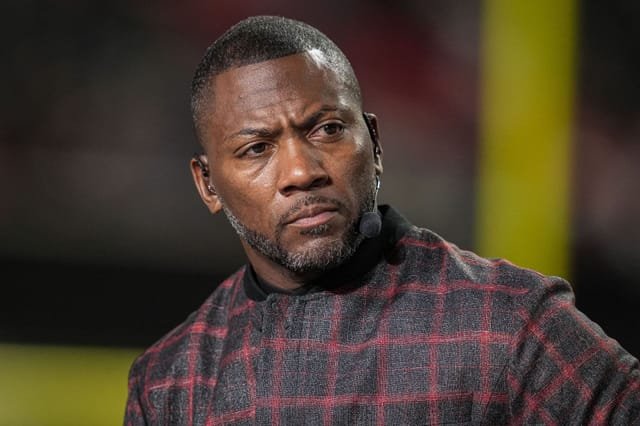
Ryan Clark ESPN firing controversy has become one of the biggest discussions in the NFL media world after the former Pittsburgh Steelers safety publicly addressed his exit from ESPN. Clark claimed that his departure was not simply a routine company layoff, while critics questioned the way he handled the situation publicly.
The controversy expanded when former LSU player and Joe Burrow’s teammate Breiden Fehoko criticized Clark’s emotional appearance on “The Pivot” podcast, accusing him of turning a private professional setback into a public performance.
The situation highlights a larger conversation about Sports Media personalities, workplace departures, public criticism of employers and how athletes transition from playing careers into broadcasting.
Ryan Clark’s ESPN Departure: What Happened?
ESPN recently parted ways with several prominent personalities, including Ryan Clark, Karl Ravech, Cam Newton and Tom Pelissero.
Clark, who spent years building a successful broadcasting career after retiring from the NFL, later discussed the decision on “The Pivot” podcast.
During the conversation, Clark said he did not view the situation as a normal business decision and expressed disappointment about how the process unfolded.
He explained that he had attempted to adapt professionally and meet expectations but still found himself leaving the network.
| Topic | Details |
|---|---|
| Person at center of controversy | Ryan Clark |
| Former role | ESPN analyst |
| Platform where he responded | “The Pivot” podcast |
| Main issue | Public reaction to ESPN departure |
Breiden Fehoko’s Strong Criticism of Ryan Clark
Breiden Fehoko became one of the latest figures to criticize Clark after reacting on social media.
Fehoko questioned whether Clark’s emotional response was genuine or influenced by the presence of cameras and public attention.
He argued that difficult personal and professional struggles are often handled privately by people dealing with real-life challenges, suggesting Clark approached the situation differently because it happened publicly.
Fehoko also referenced Clark’s involvement during LSU’s difficult period following the 2019 national championship season, claiming Clark had previously influenced conversations surrounding former LSU coach Ed Orgeron.
The LSU Connection: Why Fehoko Mentioned Joe Burrow’s Era
The criticism gained attention because of Fehoko’s connection to LSU’s championship team that featured quarterback Joe Burrow.
During the 2019 season, LSU reached the top of college football under coach Ed Orgeron, with Burrow leading one of the most memorable offensive seasons in college football history.
However, the program experienced challenges after that championship run, and Clark’s involvement in conversations around LSU became part of Fehoko’s argument.
The former player believes Clark has previously used his platform to influence public opinion around major football decisions.
Supporters Defend Ryan Clark’s Right to Speak Openly
While Clark has faced criticism, some believe he had every right to explain his feelings after leaving ESPN.
Sports media careers are built around personality, opinion and storytelling. Many analysts use their platforms to discuss not only games but also their own professional experiences.
Supporters argue that showing emotion does not automatically mean someone is seeking attention, especially after losing a long-term position at a major media company.
LeSean McCoy and Sage Steele Also Criticize Clark
Fehoko was not the only former athlete or media personality to question Clark’s response.
Former NFL running back LeSean McCoy criticized Clark for becoming emotional publicly and suggested that the reaction was connected to gaining attention.
Former ESPN host Sage Steele also weighed in, adding to the debate surrounding Clark’s comments.
The criticism shows the divided reaction among former players and broadcasters regarding how public figures should handle career setbacks.
Could Ryan Clark’s Comments Create Legal Issues?
Another discussion point involves whether Clark’s public criticism of ESPN could affect his future business relationship with the company.
Analyst Bobby Burack suggested that public comments against a former employer could potentially create complications depending on contractual agreements.
However, the actual impact would depend on the details of Clark’s contract and any legal terms connected to his departure.
Why Sports Media Departures Often Become Public Battles
The Ryan Clark situation reflects a broader trend in modern sports media.
Unlike traditional workplaces, sports broadcasters often build personal brands around their opinions and personalities. When they leave major networks, their audience expects an explanation.
- Former athletes have large social media followings.
- Public reactions can influence personal brands.
- Networks and personalities must manage reputation carefully.
- Contract disputes can become public discussions.
Comparison: Traditional Job Exit vs Sports Media Departure
| Aspect | Traditional Workplace | Sports Media Industry |
|---|---|---|
| Public reaction | Usually private | Often discussed publicly |
| Personal brand impact | Limited | Very significant |
| Audience involvement | Minimal | Fans influence perception |
The Bigger Impact on Athlete-to-Analyst Careers
Ryan Clark’s journey represents the growing path many former athletes take after retirement.
Players are no longer disappearing after their playing careers. Instead, many become analysts, podcast hosts and media personalities.
However, this transition also creates challenges. Former athletes must balance honesty, entertainment value and professional relationships with media companies.
What This Means for Ryan Clark’s Future
Despite the controversy, Ryan Clark remains a respected voice in football analysis.
His strong opinions and emotional storytelling style helped him build a loyal audience during his media career.
The next stage of his career could involve independent media projects, podcast expansion or opportunities with other networks.
The controversy may create criticism, but it has also increased attention around his personal brand.
Conclusion
The Ryan Clark ESPN firing controversy has become a major NFL media discussion after Breiden Fehoko criticized Clark’s emotional response to his departure.
The debate is about more than one broadcaster leaving a network. It raises questions about authenticity, athlete media careers, public criticism and how famous personalities handle professional setbacks.
Whether fans agree with Clark or his critics, the situation shows how modern sports media has transformed into a space where personal stories can become as influential as game analysis itself.
For breaking news and live news updates, like us on Facebook or follow us on Twitter and Instagram. Read more on Latest Sports on thefoxdaily.com.






COMMENTS 0