India and Pakistan matches have always carried significance far beyond the boundary ropes. Every encounter between the two cricketing rivals attracts global attention, intense emotions, and heightened scrutiny—not only for the result but also for every interaction before, during, and after the match.
Following India’s comprehensive 64-run victory over Pakistan in the 2026 ICC Women’s T20 World Cup, conversations quickly moved beyond the scorecard. The absence of post-match handshakes once again became a major talking point, prompting questions to players and team officials from both sides.
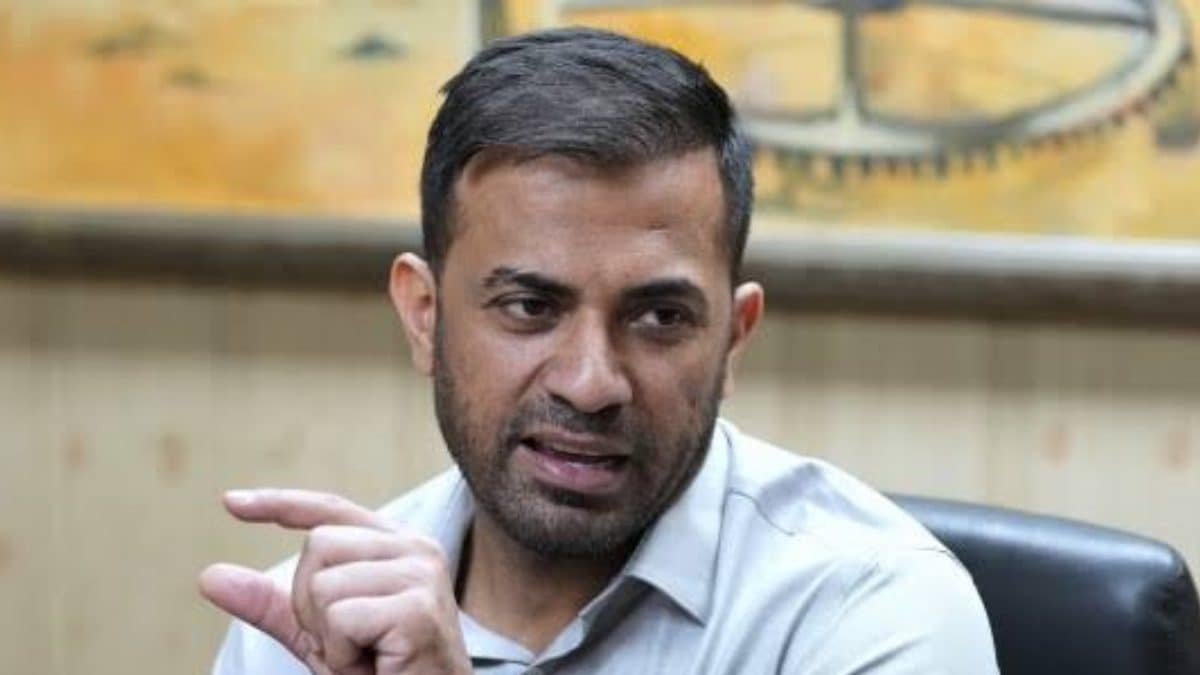
Pakistan women’s team head coach Wahab Riaz addressed the issue after the match, admitting he was unaware of the reasons behind the situation but insisted it would not affect his team’s focus moving forward.
“I don’t know what the reason behind not shaking hands was. But if things are going to be like this, let it go like that. It won’t make a big difference.”
While the remarks generated headlines, the bigger concern for Pakistan remains their on-field performance as they look to keep their Women’s T20 World Cup campaign alive.
India vs Pakistan: A Rivalry That Extends Beyond Cricket
Few sporting rivalries command the attention of an India-Pakistan contest.
Whether in men’s or women’s cricket, every match carries historical, political, and emotional undertones that often influence the narrative surrounding the game.
In recent years, post-match interactions between players have frequently come under the spotlight. Questions about handshakes, celebrations, and on-field conduct have become a recurring theme at press conferences.
For players and coaches, navigating these discussions can sometimes be as challenging as preparing for the match itself.
However, many former cricketers have repeatedly emphasized that moments of sportsmanship should not overshadow the performances on the field.
Pakistan’s Batting Collapse Proved Costly
Despite the attention surrounding off-field matters, Wahab Riaz was quick to focus on the cricketing reasons behind Pakistan’s defeat.
According to the Pakistan coach, his team started positively during the PowerPlay but failed to capitalize on the foundation.
Pakistan maintained the required tempo early in the innings but suffered a dramatic collapse in the middle overs, losing five wickets in quick succession.
In T20 cricket, momentum can shift rapidly, and consecutive dismissals often leave teams with little room for recovery.
“We really went well in the PowerPlay but needed to score seven or eight runs an over for the next three or four overs without losing wickets. Unfortunately, we lost five wickets in a row.”
The collapse effectively ended Pakistan’s hopes of mounting a serious challenge during the chase.
Why the PowerPlay and Death Overs Decided the Match
Modern T20 cricket is often determined by two critical phases: the PowerPlay and the final overs.
Wahab highlighted this tactical reality while assessing his team’s performance.
India dominated the closing stages of their innings, with wicketkeeper-batter Richa Ghosh accelerating the scoring rate and adding crucial runs when Pakistan appeared to be regaining control.
The additional runs proved decisive.
“Giving away runs in the last two overs cost us the game. Richa Ghosh got the opportunity and she made the most of it. In T20 cricket, you have to win the PowerPlay and the last four overs.”
India’s superior execution during these key moments underlined the growing maturity and depth of their women’s team.
| Match Phase | Pakistan’s Performance | India’s Performance | Impact on Result |
|---|---|---|---|
| PowerPlay | Competitive start | Steady control | Even contest initially |
| Middle Overs | Lost five wickets quickly | Maintained pressure | Match swung heavily towards India |
| Death Overs | Conceded crucial runs | Finished strongly | Expanded winning margin significantly |
Richa Ghosh and India’s Finishing Strength Continue to Impress
One of India’s biggest strengths in recent years has been the emergence of explosive finishers capable of changing games in a matter of deliveries.
Richa Ghosh once again demonstrated her value by capitalizing on the platform created by the top order.
Her aggressive approach in the final overs ensured India posted a challenging total and placed additional pressure on Pakistan’s batting unit.
Beyond individual performances, India’s ability to accelerate consistently throughout the innings highlights the evolution of women’s cricket in the country.
The team now possesses greater depth, clearer roles, and increased adaptability across different match situations.
Positives Pakistan Can Take From the Defeat
Despite the disappointing result, Wahab Riaz identified several encouraging signs.
The coach praised his players for their effort with the ball and pointed to flashes of intent with the bat.
Pakistan’s challenge moving forward will be converting those positive moments into sustained performances.
“The way they fought with the ball and the glimpses we showed with the bat—we just need to make fewer mistakes, believe in ourselves and play more positive cricket.”
For a developing side competing in a high-pressure tournament, confidence and consistency often determine success.
Reducing unforced errors and handling pressure situations more effectively could significantly improve Pakistan’s chances in upcoming matches.
The Growing Importance of Women’s Cricket in South Asia
The enormous interest surrounding India and Pakistan’s Women’s T20 World Cup clash reflects the rapid growth of women’s cricket across South Asia.
What was once considered a niche segment of the sport now attracts substantial television audiences, commercial investment, and passionate fan engagement.
Players have become role models for a new generation, inspiring greater participation and increasing visibility for women’s sports.
As the quality of competition improves, the focus is gradually shifting from symbolic milestones to tactical analysis, player development, and long-term success.
This evolution is essential for the continued growth of the women’s game.
Can Pakistan Bounce Back in the Tournament?
T20 World Cups are often defined by resilience.
A single defeat, even against a strong opponent like India, does not necessarily end a team’s campaign.
Pakistan still has opportunities to recover, but improvements are needed in key areas.
- Building partnerships through the middle overs
- Improving execution in the death overs
- Managing pressure during chases
- Maintaining positive intent with the bat
- Reducing fielding errors and missed opportunities
With the tournament schedule moving quickly, the team’s ability to learn from this defeat could define its chances of reaching the knockout stage.
Conclusion: Cricket Must Remain the Main Story
The conversation surrounding handshakes may continue to generate headlines, but it should not overshadow the cricket itself.
India delivered a commanding performance built on strong execution in crucial moments, while Pakistan was left to reflect on a costly middle-order collapse and missed opportunities.
Wahab Riaz’s comments highlighted a pragmatic approach: focus on controllable factors and move forward.
As women’s cricket continues to grow in popularity and influence, the emphasis must remain on the quality of competition, the development of players, and the inspiring performances unfolding on the field.
For Pakistan, the path ahead is clear. Correct the mistakes, embrace the positives, and ensure the next headlines are driven by cricket rather than controversy.
For breaking news and live news updates, like us on Facebook or follow us on Twitter and Instagram. Read more on Latest Sports on thefoxdaily.com.






COMMENTS 0