LSI Keywords: WWE creative criticism, Triple H WWE booking style, Wrestling storytelling issues, WWE overcomplication storylines, AEW vs WWE creative, WWE faction booking 2026, wrestling industry analysis, Sports entertainment storytelling, WWE RAW creative direction, wrestling fans reaction 2026
Introduction: A Controversial Claim That Hit the Wrestling World
In professional wrestling, creative direction is everything. It determines whether a product feels fresh, emotionally engaging, or repetitive and predictable. In 2026, WWE finds itself once again at the center of a heated debate after a former champion publicly criticized the company, describing its creative direction as “creatively bankrupt.”
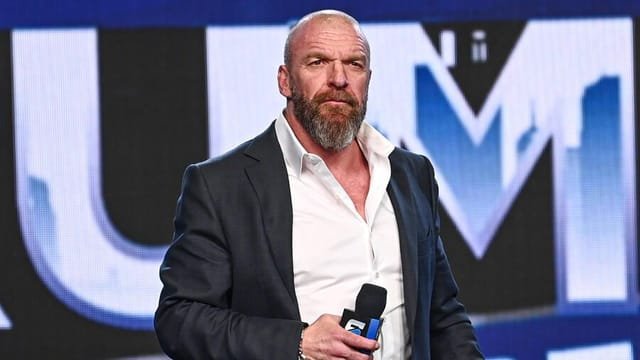
This statement has ignited discussion across the wrestling community, especially at a time when WWE is under the creative leadership of Triple H and producing some of its most polished global content in years. The timing makes the controversy even more interesting, because on paper WWE is commercially stronger than ever, yet creatively, it is facing growing scrutiny from veterans, analysts, and fans.
The criticism comes alongside broader conversations about storytelling structure, match booking philosophy, and whether WWE’s modern product has become too corporate, too complex, or too predictable in its long-term narratives.
This article breaks down the criticism in detail, explores why it is gaining traction, and analyzes what it reveals about WWE’s creative identity in 2026.
Background Context: WWE’s Creative Evolution Under Triple H
Since taking a central role in WWE’s creative direction, Triple H has introduced a more structured and long-term storytelling approach. The focus has shifted toward faction-based narratives, extended rivalries, and premium live event-driven payoffs rather than short-term weekly surprises.
This system has produced several successful arcs, including faction dominance stories, multi-man rivalries, and long-term championship builds. However, it has also introduced a new criticism: that WWE storytelling sometimes feels over-engineered rather than organic.
Veterans of the industry often compare this style to earlier eras where weekly television felt more unpredictable and less scripted toward long-term corporate planning. The tension between “structured storytelling” and “organic chaos” is now at the heart of the current debate.
Key Trigger Point: The AAA Mask vs Mask Match Discussion
The recent Mask vs Mask match between El Grande Americano and The Original El Grande Americano in AAA became an unexpected reference point in the debate about wrestling storytelling philosophy.
Wrestling veteran Stevie Richards praised the storytelling approach behind the match, highlighting how the build-up was simple, focused, and emotionally driven. He contrasted this with WWE’s approach, suggesting that WWE often complicates narratives to the point where the emotional core becomes less visible.
This comparison struck a nerve because it indirectly questioned whether WWE’s modern creative system prioritizes production value and corporate structure over simplicity and emotional clarity.
Deep Dive: Why the “Creatively Bankrupt” Criticism Is Gaining Attention
The phrase “creatively bankrupt” is strong, but its popularity in wrestling discussions reflects a deeper frustration among certain fans and analysts. It does not necessarily mean WWE lacks ideas—it suggests that the execution of ideas may feel overly controlled, predictable, or system-driven.
There are three main reasons why this criticism is being widely discussed in 2026:
- Storylines are increasingly long-term and heavily structured
- Weekly shows sometimes prioritize setup over payoff
- Character direction can feel influenced by corporate branding considerations
This does not mean WWE is failing creatively. In fact, the company is producing some of the most globally consumed wrestling content in history. However, the perception issue is real—and perception is often just as important as reality in entertainment industries.
Wrestling Psychology: Why Simplicity Often Wins Over Complexity
One of the strongest arguments made by critics is that wrestling works best when storytelling is simple, emotionally direct, and easy to follow. The more complex a storyline becomes, the more difficult it is for casual audiences to stay emotionally invested.
Classic wrestling psychology is built on a few core elements:
- Clear heroes and villains
- Personal stakes instead of corporate-level narratives
- Fast emotional payoff cycles
Modern WWE storytelling, however, often includes multiple factions, layered motivations, long-term betrayals, and multi-event arcs. While this adds depth, it can sometimes dilute immediate emotional impact.
This is the core tension behind the current debate: depth versus accessibility.
Industry Comparison: WWE vs Alternative Wrestling Styles
The criticism becomes more visible when WWE is compared to other wrestling products that emphasize different storytelling styles. Promotions like AEW or international companies often rely more heavily on in-ring storytelling, improvisational pacing, and simpler narrative structures.
WWE, on the other hand, operates like a global entertainment brand. This means:
- Long-term storyline planning across multiple brands
- Corporate sponsorship alignment
- Character protection and branding consistency
This structural difference explains why WWE storytelling sometimes feels more “produced” compared to other promotions. It is not necessarily worse—it is simply designed for a different scale and audience.
Analysis: Is WWE Actually “Creatively Bankrupt” or Just Misunderstood?
Calling WWE creatively bankrupt oversimplifies a much more complex reality. The company continues to generate high-profile storylines, mainstream attention, and global revenue growth. However, creative satisfaction is subjective and varies depending on audience expectations.
There are two competing perspectives:
Perspective 1: WWE is creatively strong but structurally rigid
This view argues that WWE has more resources, talent, and production quality than ever before, but its corporate structure limits spontaneity. Every storyline must align with long-term planning, branding strategies, and global marketing goals.
Perspective 2: WWE is overcomplicating storytelling
This perspective suggests that in trying to create long-term “cinematic” arcs, WWE sometimes loses the simplicity that made wrestling emotionally powerful in earlier eras.
Both arguments hold truth, which is why the debate remains unresolved.
Real-World Impact: Why This Debate Matters for Fans and the Industry
This is not just an internal wrestling discussion—it directly impacts how audiences engage with the product. In modern sports entertainment, fan attention is the most valuable currency.
If viewers feel storylines are too complex or emotionally distant, they may disengage. On the other hand, if narratives are too simple or repetitive, long-term fans may lose interest.
WWE must constantly balance three key audience groups:
- Casual viewers who prefer simple storytelling
- Hardcore fans who want long-term continuity
- Global audiences consuming highlights and clips
Striking this balance is one of the biggest creative challenges in modern wrestling.
Prediction: Where WWE Creative Could Go From Here
Looking ahead, WWE is likely to continue refining its storytelling model rather than radically changing it. However, fan feedback and veteran criticism may push the company toward simplifying certain storylines while maintaining long-term arcs.
Possible future adjustments include:
- More standalone weekly story resolutions
- Reduced overuse of multi-layer faction narratives
- Clearer character motivations for top stars
- Faster payoff cycles for mid-card feuds
At the same time, WWE is unlikely to abandon its structured storytelling system entirely, as it is central to its global entertainment strategy.
Conclusion: A Debate That Reflects Wrestling’s Changing Identity
The “creatively bankrupt” criticism directed at WWE in 2026 is less about failure and more about evolving expectations. WWE today is a global entertainment powerhouse operating under a highly structured creative system designed for long-term storytelling and international branding.
However, as this system becomes more complex, it naturally invites criticism about emotional simplicity and storytelling clarity.
In reality, WWE is not creatively empty—it is creatively evolving. The real question is whether that evolution aligns with what fans emotionally connect with most: simple stories told well, or complex narratives built over time.
The answer will likely define the next era of professional wrestling storytelling.
For breaking news and live news updates, like us on Facebook or follow us on Twitter and Instagram. Read more on Latest Sports on thefoxdaily.com.






COMMENTS 0