LSI Keywords: natalya Jaida Parker feud, WWE Dungeon attack storyline, Triple H WWE creative control, Shawn Michaels NXT role, WWE backstage conflict storyline, women’s division rivalry 2026, WWE authority figure criticism, NXT vs main roster tension, WWE social media storyline escalation, Hart Dungeon incident
When a WWE Storyline Breaks the Fourth Wall of Authority
WWE storytelling in 2026 has increasingly blurred the lines between in-ring rivalries and authority-driven narratives. The latest example comes from a heated confrontation involving Natalya and NXT star Jaida Parker, which escalated beyond a typical wrestling feud into a storyline that now directly involves WWE’s top creative and developmental leadership.
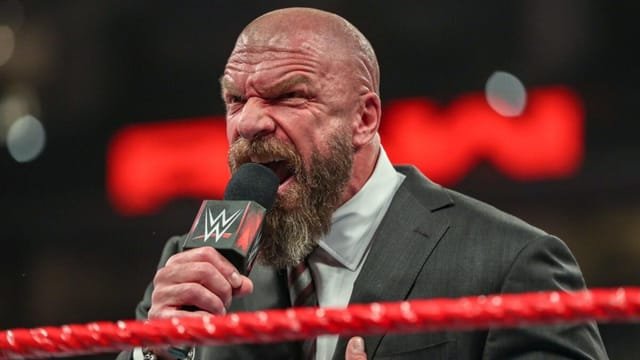
Following a surprise attack during a training session in the Hart Dungeon, Jaida Parker took to social media to call out both Triple H and Shawn Michaels, tagging them in a provocative message that questioned the legitimacy of Natalya’s claims and challenged WWE’s internal control structure.
This moment is significant not just because of the attack itself, but because it introduces a deeper narrative layer: talent openly referencing authority figures as part of an ongoing storyline conflict.
Background Context: Natalya vs Jaida Parker and the Hart Dungeon Incident
The rivalry between Natalya and Jaida Parker has been building across WWE programming, but it reached a turning point when Parker invaded the Hart Dungeon during a training session and launched a physical attack on the veteran performer.
The Hart Dungeon, long considered a symbol of wrestling tradition and technical excellence, is not just a training facility—it is a legacy institution tied to the Hart family. Any attack within its walls carries symbolic weight in wrestling storytelling.
Natalya, a veteran deeply associated with the Dungeon’s legacy, responded strongly both physically and later through social media, calling out WWE management for allowing such an incident to occur.
Key Development: Jaida Parker’s Social Media Message Escalates the Feud
After the confrontation, Jaida Parker escalated the storyline further by posting a message that directly referenced WWE leadership, tagging both Triple H and Shawn Michaels while mocking Natalya’s reaction to the attack.
Her message framed the situation as a challenge to authority and legacy, implying that Natalya’s status as a veteran does not shield her from modern aggression or accountability.
This type of narrative escalation is increasingly common in WWE’s modern storytelling model, where social media is used as an extension of character development rather than separate from it.
Deep Analysis: Why Calling Out Triple H Changes the Storytelling Dynamic
In traditional wrestling storytelling, authority figures like general managers or executives remain separate from talent rivalries unless explicitly involved. However, in 2026 WWE programming, that boundary is becoming more fluid.
By tagging Triple H and Shawn Michaels, Jaida Parker effectively expands the feud beyond Natalya and herself into an institutional conflict involving WWE’s leadership structure.
This accomplishes three major storytelling goals:
- It elevates the feud from personal rivalry to organizational controversy
- It reinforces Jaida Parker’s character as rebellious and unpredictable
- It positions Natalya as a defender of tradition and structure
This shift increases the emotional stakes significantly, as it now reflects not just competition between wrestlers, but a clash between generations and ideologies within WWE itself.
Industry Insight: The Rise of Authority-Involved Storytelling in WWE
WWE has historically used authority figures in storytelling, from General Managers to corporate leaders. However, modern creative direction under Triple H has taken a more subtle approach, often keeping authority figures in the background rather than as active on-screen participants.
What makes this situation different is that talent themselves are now referencing authority figures directly within storyline progression. This creates a hybrid storytelling model where social media becomes an extension of WWE programming.
It also reflects a broader trend in Sports Entertainment: breaking the barrier between scripted narrative and real-world persona engagement.
Comparison: Traditional WWE Feud vs Authority-Involved Feud
| Element | Traditional Feud | Current Natalya–Parker Angle |
|---|---|---|
| Authority Role | Minimal or neutral | Directly addressed and challenged |
| Story Platform | Television segments only | TV + Social media escalation |
| Emotional Stakes | Personal rivalry | Institution vs rebellion conflict |
| Character Depth | Simple face vs heel | Multi-layer psychological storytelling |
Character Psychology: Natalya vs Jaida Parker
Natalya represents structure, discipline, and the legacy of wrestling tradition through the Hart Dungeon. Her character is built on respect for the craft and mentorship of younger talent.
Jaida Parker represents disruption, aggression, and a refusal to respect established hierarchies. Her actions inside the Dungeon and her social media message reinforce her identity as a modern, rebellious force within WWE’s women’s division.
This creates a classic psychological contrast: tradition versus rebellion, experience versus ambition, structure versus chaos.
WWE Creative Direction: Why This Feud Fits 2026 Storytelling Trends
WWE’s current storytelling approach increasingly emphasizes layered narratives that extend beyond matches. Feuds are no longer confined to weekly shows—they continue on social media, backstage segments, and even real-world interactions.
The Natalya–Jaida Parker storyline fits this model perfectly because it integrates:
- In-ring rivalry escalation
- Training facility attack symbolism
- Authority figure involvement
- Social media character expansion
This multi-platform storytelling approach increases audience engagement and creates a more immersive narrative experience.
Potential Future Directions for the Storyline
WWE now has several creative paths available to continue this rivalry depending on how management chooses to escalate it.
- A stipulation match involving Hart Dungeon legacy stakes
- A NXT vs main roster crossover match
- Authority-led punishment or sanction storyline
- A mentor-protégé twist involving additional wrestlers
The most likely outcome is a high-profile match at a major event that resolves both the personal and symbolic elements of the feud.
Real Impact: Why Fans Are Paying Attention to This Feud
This storyline resonates with fans because it blends realism with scripted drama. The use of social media, authority references, and a real-world training location creates a sense of authenticity that modern audiences increasingly respond to.
It also highlights the growing importance of NXT talent being integrated into main roster storylines, signaling WWE’s long-term strategy of building seamless developmental-to-main roster transitions.
Conclusion: A Feud That Now Extends Beyond Wrestling Itself
The Natalya and Jaida Parker rivalry has evolved into more than just a wrestling program—it has become an institutional storyline involving legacy, authority, and rebellion within WWE’s structure.
By calling out Triple H and Shawn Michaels, Jaida Parker has expanded the conflict into a broader narrative about control, respect, and generational change in professional wrestling.
As WWE continues to blur the lines between storytelling platforms, this feud stands as a strong example of how modern wrestling narratives are no longer confined to the ring—they now exist across the entire WWE ecosystem.
For breaking news and live news updates, like us on Facebook or follow us on Twitter and Instagram. Read more on Latest Sports on thefoxdaily.com.


COMMENTS 0