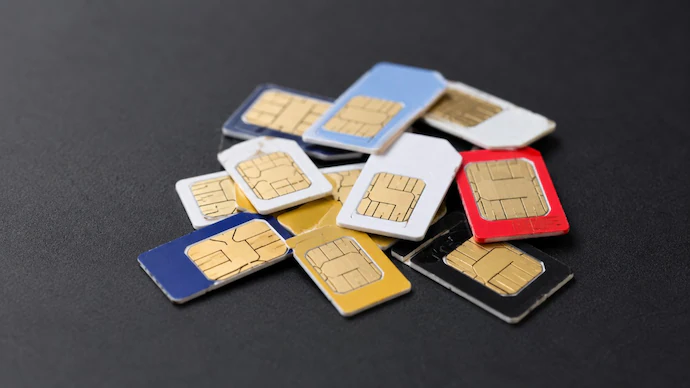
SIM binding is set to become mandatory in India from January 1, 2027, potentially changing how millions of people access messaging applications such as WhatsApp, Telegram and Signal. Under the Department of Telecommunications (DoT) directive, messaging apps linked to Indian mobile numbers will have to verify that the registered SIM card remains installed in the device associated with the account.
The proposed requirement could affect users who access messaging services on Wi-Fi-only devices, use multiple devices, frequently change SIM cards or travel internationally. Currently, users can verify their mobile numbers using a one-time password (OTP) and continue accessing their accounts even when the registered SIM is removed from the phone.
Under the new rules, messaging platforms will need to ensure that accounts remain continuously linked to the active, KYC-verified SIM associated with the registered mobile number. Platforms have until December 31, 2026, to meet the requirements.
The changes are intended to address concerns about cybercrime, account impersonation and the misuse of messaging accounts after a registered SIM has been removed or deactivated. However, the precise impact on individual users will depend on how each platform implements the directive.
Here are five key things to know about the SIM-binding rules, their potential impact on WhatsApp and Telegram, and what users should understand before the January 1, 2027, deadline.
1. What Is SIM Binding and Why Is It Becoming Mandatory?
SIM binding is a security mechanism that links a digital account to the SIM card associated with its registered mobile number. Under the Department of Telecommunications’ directive issued on November 28, 2025, messaging applications that use Indian mobile numbers to identify users must verify that the corresponding SIM remains installed in the device.
At present, users generally verify their mobile numbers through an OTP during account registration. After verification, they can often continue using the application even if the registered SIM card is removed, deactivated or transferred to another device.
SIM binding is intended to change this arrangement by requiring the messaging account to remain linked to the corresponding SIM in the phone being used. This means that simply completing the initial verification process may no longer be sufficient to access an account indefinitely from a device without the registered SIM.
For example, consider a user who registers WhatsApp using a mobile number on their smartphone and subsequently accesses the account on a tablet. If the tablet does not contain the SIM associated with the registered number, the new requirements could affect how the user accesses WhatsApp on that device.
Similarly, users who remove their registered SIM card and rely exclusively on Wi-Fi to access messaging applications may face restrictions, depending on the platform’s implementation of the rules.
The directive covers several messaging and communication services, including:
- WhatsApp: The messaging platform widely used for personal and professional communication.
- Telegram: The messaging service used for individual conversations, groups and channels.
- Signal: A messaging application focused on private communication.
- Snapchat: A social communication platform that includes messaging features.
- Arattai: An Indian messaging application.
- ShareChat: An Indian social networking platform.
- Josh: A short-video and social content platform.
- JioChat: A messaging service from Jio.
The directive is particularly relevant to services that use Indian mobile numbers to identify users. Its central requirement is that the registered account should remain connected to the active SIM associated with that number.
SIM binding is not an entirely new concept in India. Banking and payment applications already use SIM-based verification mechanisms for security purposes. For example, mobile-number verification plays a role in enabling UPI transactions and other digital payment services.
The proposed extension to messaging applications aims to make it harder for accounts to continue operating without the SIM associated with the registered number.
2. How Will SIM Binding Work From January 1, 2027?
To comply with the new requirements, messaging platforms will need to verify that the SIM associated with an account remains active and available in the relevant device. This introduces an ongoing verification requirement rather than relying exclusively on the OTP used during initial registration.
The Department of Telecommunications has directed covered services to ensure that accounts remain continuously linked to the active, KYC-verified SIM associated with their registered mobile numbers. The compliance deadline is December 31, 2026, with the rules scheduled to take effect from January 1, 2027.
The practical experience may differ between applications because each platform will determine how to implement the technical requirements within its service.
For users, the most important change is that access may depend on more than having an internet connection and completing an earlier login. A registered SIM may need to remain installed in the device used to access the account.
Consider a few common situations:
- Using an account on a smartphone: Users may need to keep the SIM associated with their registered mobile number in that phone.
- Using messaging apps on a tablet: People who access their accounts on tablets without the registered SIM could face restrictions.
- Removing or changing a SIM card: Removing the registered SIM or replacing it with another card may affect account access, depending on how the application enforces the requirements.
- Using messaging apps over Wi-Fi: An internet connection alone may not be sufficient if the device does not meet the SIM-binding requirement.
- Accessing an account on multiple devices: Users may need to review how their messaging platforms handle linked devices under the new rules.
However, users should not assume that every account will automatically stop working at midnight on January 1, 2027. The timing and nature of any restrictions will depend on the individual platforms’ implementation and enforcement of the directive.
Users should also distinguish between the compliance deadline and the way applications introduce changes. Although platforms have until December 31, 2026, to comply, the precise user-facing procedures and restrictions may vary.
3. What Will Happen to WhatsApp, Telegram and WhatsApp Web?
WhatsApp and Telegram users may need to keep the SIM associated with their registered mobile numbers available in their phones once the rules take effect. The changes could be particularly relevant to people who use messaging services on secondary devices or maintain accounts that are accessed independently of the original smartphone.
WhatsApp has reportedly begun beta-testing SIM binding on Android. Apple also released an iOS software update in September intended to help detect when an iPhone does not have a SIM card.
These developments indicate that device and SIM verification are becoming important considerations for messaging services. However, the exact restrictions users will experience will depend on how each platform implements the DoT’s directions.
For example, a user who regularly accesses WhatsApp on a tablet while keeping the registered SIM in a separate smartphone may need to reconsider that arrangement. Whether and how access is restricted will depend on the platform’s implementation of the rules.
Will WhatsApp Web Log Out Every Six Hours?
One of the concerns surrounding the SIM-binding directive relates to WhatsApp Web and other linked-device sessions. The original rules included a requirement for web sessions to be logged out at least once every six hours, after which users would need to relink their devices using a QR code.
However, the Department of Telecommunications later withdrew the blanket six-hour logout requirement and replaced it with a risk-based approach.
Under the revised approach, sessions may be terminated based on identified risks, including immediate termination in suspected fraud cases. Therefore, users should not assume that WhatsApp Web will automatically log them out every six hours under the revised rules.
The distinction is important because SIM binding and periodic web-session logout are related to account security but are not identical requirements. The former focuses on maintaining the connection between an account and its registered SIM, while the revised session approach allows action based on risk.
Will Telegram and Other Messaging Apps Be Affected?
Telegram and the other services named in the directive will also need to address the applicable SIM-binding requirements. However, the precise restrictions and user experience may differ across platforms.
Users should therefore avoid assuming that every messaging application will introduce identical verification procedures. The central requirement concerns the relationship between the registered mobile number, the active SIM and the device used to access the account.
As the deadline approaches, the implementation details provided by individual platforms will be important for understanding how linked devices, account access and verification will work in practice.
4. What About eSIMs, Wi-Fi-Only Devices and International Travel?
SIM binding could have a particularly noticeable impact on people who depend on Wi-Fi-only devices, frequently switch SIM cards or use messaging applications while travelling abroad.
The Department of Telecommunications’ directive focuses on maintaining the connection between an account and the active SIM associated with its registered mobile number. However, the order does not specifically explain how every type of device or SIM configuration, including eSIMs, will be handled.
Will eSIM Users Be Affected?
An eSIM is a digital SIM that allows a compatible device to use a mobile subscription without requiring a traditional removable SIM card. The directive’s specific treatment of eSIMs has not been clearly established in the supplied information.
It is possible that users will need to keep the eSIM associated with their registered number installed and active on the relevant device to continue using a linked messaging account. However, the order does not explicitly clarify the implementation requirements for eSIMs.
Users who rely on eSIMs should therefore wait for further guidance from the relevant messaging platforms rather than assume that their existing arrangements will remain unchanged.
What Happens to Wi-Fi-Only Tablets?
Wi-Fi-only tablets could be among the devices most affected by the changes. At present, users can access certain messaging services on connected devices without keeping the registered SIM in those devices.
Under SIM binding, access could become more complicated if the device does not contain the SIM associated with the registered account. A tablet that depends entirely on Wi-Fi and has no facility for a SIM may not meet the requirements in the same way as a smartphone containing the registered SIM.
The actual impact will depend on how the relevant applications enforce the directive and handle linked devices.
What If You Travel Abroad?
International travellers may also need to review how they use messaging applications. People travelling abroad often remove their Indian SIM cards, replace them with local SIMs or use Wi-Fi to avoid roaming charges.
If an account is required to remain linked to its registered Indian SIM, removing that SIM could affect access to the messaging service, depending on the platform’s implementation.
Similarly, users who frequently change devices or maintain messaging accounts across several devices may need to check whether their arrangements comply with the new requirements.
The directive does not provide a complete explanation of every international-travel scenario in the supplied information. Users who depend on uninterrupted messaging access while abroad should therefore look for platform-specific guidance before making changes to their SIM or device arrangements.
5. Why Is the Government Introducing SIM Binding?
The Department of Telecommunications has cited Cybersecurity concerns as a major reason for introducing SIM binding. Under the current system, messaging accounts can sometimes continue operating even after the SIM associated with the registered number has been removed or deactivated.
Long-running web and desktop sessions can also allow accounts authenticated in India to be operated remotely without requiring fresh verification. According to the department, these gaps can be exploited for several forms of cybercrime.
The risks identified include phishing, impersonation, investment scams, loan scams and digital arrest fraud. Such activities can involve criminals using messaging accounts to contact victims, impersonate trusted individuals or organisations, and persuade people to transfer money or disclose sensitive information.
By requiring accounts to remain linked to their active, KYC-verified SIMs, the government aims to improve the traceability of Indian mobile numbers and make it more difficult to misuse accounts remotely.
How Could SIM Binding Help Prevent Cyber Fraud?
SIM binding is intended to strengthen the connection between a mobile number and the device being used to access an account. This may make certain forms of unauthorised access and impersonation more difficult, particularly when an account is being used without the associated SIM.
The government has also highlighted the scale of financial losses caused by cybercrime. According to the government figures cited in the supplied report, cyber-fraud losses exceeded Rs 22,800 crore in 2024.
The proposed rules are intended to address some of the security gaps that can allow messaging accounts to be misused. SIM and device binding mechanisms are already used by banking and payment applications, and the government wants messaging platforms to strengthen their own verification processes.
However, SIM binding should not be interpreted as a guarantee that all forms of cybercrime will be eliminated. It is one measure intended to improve account security and traceability, while users must still remain alert to suspicious messages, fraudulent links and requests for money.
What Is the Mobile Number Verification Platform?
The Department of Telecommunications also plans to introduce a mobile number verification platform to help identify legitimate phone numbers.
The initiative is intended to complement the broader effort to improve traceability and reduce the misuse of Indian mobile numbers. Alongside SIM and device binding, such verification measures are aimed at making it harder for criminals to use messaging services for impersonation and other fraudulent activities.
The effectiveness of these measures will depend on implementation, compliance by covered platforms and the ability to identify and respond to suspicious activity.
SIM Binding: What Users Should Know Before January 1, 2027
With the compliance deadline approaching, users of WhatsApp, Telegram and other covered services should understand how the new rules could affect their existing arrangements. The key requirement is that accounts remain linked to the active, KYC-verified SIM associated with the registered mobile number.
Users who keep their registered SIM in their primary smartphone may find the transition more straightforward than those who frequently remove their SIM cards or rely on Wi-Fi-only devices. However, the final experience will depend on how each application implements the requirements.
Here are the main points to keep in mind:
- Keep track of your registered number: Know which mobile number is associated with each messaging account.
- Review your device setup: If you use WhatsApp or Telegram on a tablet or secondary device, check how the application handles SIM binding and linked-device access.
- Be cautious when changing SIMs: Removing, replacing or deactivating a registered SIM could affect account access under the new requirements.
- Check platform-specific announcements: WhatsApp, Telegram and other services may implement the rules differently.
- Do not assume a six-hour WhatsApp Web logout: The blanket six-hour logout requirement was withdrawn and replaced with risk-based session logouts.
- Look for eSIM guidance: The directive’s specific treatment of eSIMs is not clearly established in the supplied information.
- Plan for international travel: If you usually remove your Indian SIM or switch to a local SIM abroad, check the relevant platform’s guidance before travelling.
These steps can help users understand potential changes, but they do not replace the final implementation guidance that messaging platforms may issue as the deadline approaches.
Frequently Asked Questions About SIM Binding
When will SIM binding become mandatory in India?
SIM binding is scheduled to take effect on January 1, 2027. Covered messaging platforms have until December 31, 2026, to meet the requirements specified by the Department of Telecommunications.
Will WhatsApp stop working if the registered SIM is removed?
Removing the registered SIM could affect access under the new rules. However, the precise restrictions and enforcement process will depend on how WhatsApp implements the directive. Users should not assume that every account will automatically stop working at the deadline.
Will Telegram also be covered by SIM binding?
Yes. Telegram is among the messaging services named in the directive. The exact user-facing requirements will depend on how the platform implements the rules.
Will WhatsApp Web automatically log out every six hours?
No blanket six-hour logout requirement remains in place under the revised approach described in the supplied information. The Department of Telecommunications replaced it with risk-based logouts, including immediate termination in suspected fraud cases.
Can I use WhatsApp on a Wi-Fi-only tablet?
The rules could affect users who access messaging applications on Wi-Fi-only devices without the registered SIM. The actual restrictions will depend on how the platform handles linked devices and implements SIM binding.
Will eSIM users have to make changes?
The directive’s specific treatment of eSIMs has not been clearly established in the supplied information. Users should look for further guidance from their messaging platforms.
Why is the government introducing SIM binding?
The Department of Telecommunications says the measure is intended to address cybersecurity risks involving phishing, impersonation, investment and loan scams, and digital arrest fraud. The objective is to improve mobile-number traceability and make unauthorised account use more difficult.
Conclusion
SIM binding is set to become mandatory for covered messaging services in India from January 1, 2027, introducing a new requirement to maintain the link between an account and its registered, active SIM. WhatsApp, Telegram, Signal and other named platforms will need to address the Department of Telecommunications’ directions by the December 31, 2026, compliance deadline.
The changes could particularly affect users who access messaging services on Wi-Fi-only tablets, use multiple devices, frequently switch SIM cards or travel abroad. The exact restrictions will depend on how each platform implements the rules, and important details concerning eSIMs and certain device configurations remain unclear in the supplied information.
The government says the move is intended to strengthen cybersecurity, improve mobile-number traceability and reduce the misuse of messaging accounts for fraud. For users, the most important step is to understand which number is registered with each account and monitor official platform announcements as the deadline approaches.
For breaking news and live news updates, like us on Facebook or follow us on Twitter and Instagram. Read more on Latest Technology on thefoxdaily.com.






COMMENTS 0