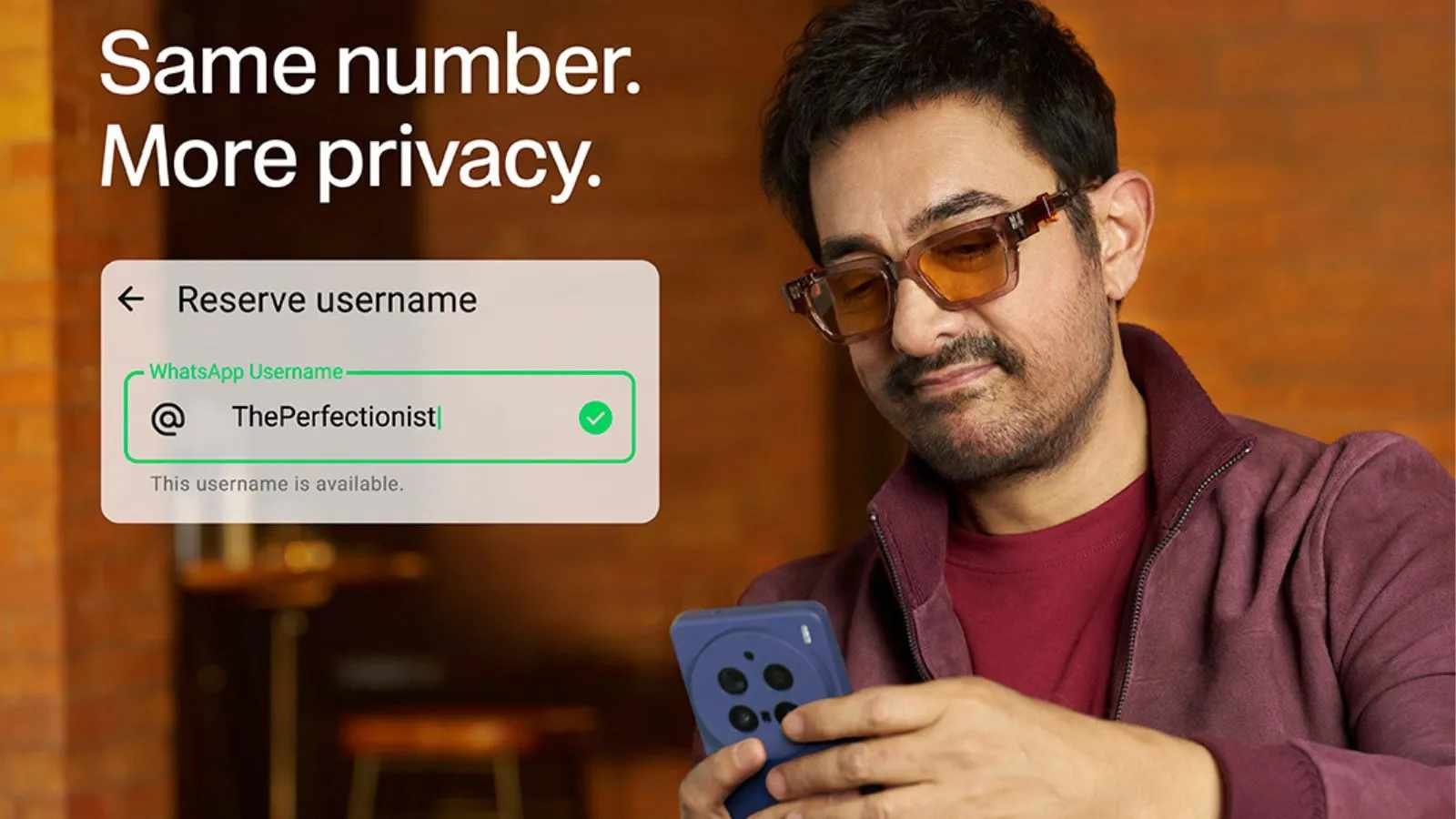
WhatsApp‘s upcoming username feature has sparked an important debate in India over the balance between user privacy and digital security. While Meta-owned WhatsApp says the feature is intended to make conversations safer by allowing users to keep their phone numbers private, Indian authorities have expressed concerns that usernames could become a new avenue for impersonation scams.
The issue has gained national attention after the Indian government reportedly asked WhatsApp to delay the rollout until a detailed assessment is completed. WhatsApp, however, has clarified that every account will still require a verified phone number, meaning usernames are an additional privacy layer rather than a replacement for the platform’s existing identity system.
The discussion highlights a growing challenge faced by messaging platforms worldwide: how to offer greater privacy without making it easier for cybercriminals to impersonate trusted individuals, businesses, or government agencies.
What Is WhatsApp’s Username Feature?
The upcoming feature allows users to create a unique username that others can use to initiate conversations without seeing their mobile number.
Currently, anyone wishing to message someone on WhatsApp generally needs that person’s phone number. Under the new system, users will have the option of sharing a username instead, providing greater control over personal information.
Importantly, WhatsApp has emphasized that:
- Phone numbers remain mandatory for account creation.
- Usernames are optional.
- The feature is intended only to hide phone numbers during initial contact.
- Existing chats and contacts continue to function normally.
- Users can decide whether to adopt a username.
This makes the feature comparable to username-based identity systems already available on several modern messaging platforms.
Why Has the Indian Government Asked WhatsApp to Pause the Rollout?
According to officials, the Ministry of Home Affairs raised concerns that usernames could unintentionally create new opportunities for fraudsters.
The government has reportedly requested Meta to submit a detailed explanation of how the feature works and what safeguards exist before allowing it to launch in India.
The primary concern revolves around digital impersonation. Criminals could potentially register usernames that closely resemble well-known personalities, businesses, government departments, banks, educational institutions, or customer support services.
Even small spelling variations can easily deceive users WHO are unfamiliar with online security practices.
Authorities are particularly concerned because India has witnessed a sharp increase in social engineering scams conducted through messaging platforms.
Why Username-Based Scams Are a Genuine Concern
Cybercriminals rarely rely on technical hacking alone. Instead, many scams exploit human Psychology by convincing victims that they are communicating with someone trustworthy.
Examples include:
- Fake bank representatives.
- Fraudulent customer support agents.
- Impersonation of government officials.
- Recruitment scams.
- Investment fraud.
- Digital arrest scams.
- Fake delivery executives.
- Identity theft using celebrity or Business names.
If a scammer successfully registers a username resembling an authentic organization, unsuspecting users may be more likely to trust messages received through the platform.
This concern becomes more significant as messaging apps increasingly serve as communication channels for businesses, creators, educational institutions, and government services.
WhatsApp’s Response: Usernames Do Not Replace Phone Numbers
WhatsApp has responded by making one point abundely clear: every WhatsApp account will still require a verified mobile phone number.
The username simply becomes another way for users to connect while keeping their phone numbers private.
According to the company, this distinction is important because the underlying account identity remains linked to a verified phone number.
The company argues that the feature enhances privacy rather than reducing accountability.
Security Safeguards Built Into the Username System
To address concerns about impersonation, WhatsApp says multiple protections have been incorporated into the rollout.
Reserved High-Profile Usernames
Names associated with public figures, celebrities, verified Meta accounts, government organizations, and prominent institutions are being reserved so they can only be claimed by legitimate owners.
Protection Against Look-Alike Usernames
The platform says it is also blocking many visually similar or confusing variations that could be used for impersonation.
No Public Username Directory
Unlike traditional Social Media platforms, WhatsApp will not provide a searchable directory of usernames.
Users must already know the exact username before initiating contact.
This significantly reduces random discovery by scammers.
Limits on Contacting New Users
WhatsApp plans to restrict how many unknown users an account can message, helping reduce spam and automated fraud attempts.
Abuse Detection Systems
The platform will monitor suspicious behavioral patterns associated with impersonation, bulk messaging, and coordinated scams.
Accounts violating platform policies may have usernames removed or face permanent suspension.
Additional Safety Signals for Users
WhatsApp says users will receive more context when someone contacts them via username for the first time.
Safety indicators may include:
- Whether the sender is a new account.
- Whether the sender already exists in the recipient’s contacts.
- Whether both users share common groups.
- Whether the sender is located in another country.
These contextual signals are intended to help users make informed decisions before engaging with unknown contacts.
How Other Messaging Apps Handle Usernames
WhatsApp is not introducing an entirely new concept. Username-based communication has existed for years across competing messaging services.
| Platform | Username Support | Phone Number Required | Primary Privacy Benefit |
|---|---|---|---|
| Rolling out gradually | Yes | Hide phone number during first contact | |
| Telegram | Available | Initially required | Username-based communication |
| Signal | Supported | Yes | Phone number privacy improvements |
WhatsApp’s implementation therefore follows an established industry trend toward reducing unnecessary exposure of personal phone numbers.
Why Privacy Matters More Than Ever
Phone numbers have become one of the most valuable pieces of personal information online.
They are frequently linked to:
- Bank accounts
- Government identity services
- Two-factor authentication
- Financial applications
- Shopping platforms
- Healthcare portals
Reducing unnecessary sharing of phone numbers can lower the risk of spam, phishing, targeted scams, and unwanted marketing.
For creators, freelancers, professionals, and small businesses, usernames also provide a cleaner way to share contact details publicly without exposing personal mobile numbers.
Industry Experts Remain Divided
The feature has generated mixed reactions across India’s Technology ecosystem.
Some business leaders have warned that look-alike usernames could become another tool for fraud if strict verification measures are not enforced.
Others argue that stronger privacy protections are overdue and that similar systems have operated successfully on competing platforms.
The debate ultimately centers on implementation rather than the concept itself.
How Users Can Protect Themselves
Regardless of when usernames launch, users should continue following basic Cybersecurity practices.
- Never trust unsolicited messages claiming urgency.
- Verify identities through official channels.
- Avoid sharing OTPs or banking information.
- Be cautious of usernames closely resembling trusted organizations.
- Enable two-step verification.
- Report suspicious accounts immediately.
- Keep WhatsApp updated to the latest version.
Technology alone cannot eliminate scams; informed users remain the strongest line of defense.
The Bigger Picture: Privacy vs. Trust
The controversy illustrates a broader challenge facing digital communication platforms worldwide.
Users increasingly demand stronger privacy protections, yet regulators expect platforms to minimize opportunities for fraud and abuse.
Finding the right balance is becoming increasingly difficult as messaging applications evolve into ecosystems supporting payments, business communication, customer service, communities, and official notifications.
The success of WhatsApp’s username feature will depend less on the technology itself and more on how effectively safeguards prevent misuse while preserving user privacy.
What Happens Next?
WhatsApp has indicated that the feature will be introduced gradually later this year. Before any wider rollout in India, the company is expected to engage with government authorities and explain the technical safeguards designed to prevent impersonation.
Depending on the outcome of these discussions, the rollout could proceed with additional protections, modifications, or a phased implementation tailored to regulatory expectations.
The government’s assessment is likely to examine whether existing legal frameworks adequately address username-based identity, online impersonation, and consumer protection. If authorities conclude that stronger safeguards are needed, further consultations or compliance measures could follow before nationwide availability.
Conclusion
The debate surrounding WhatsApp’s username feature is not simply about replacing phone numbers—it is about redefining digital identity in a privacy-first era. WhatsApp maintains that verified phone numbers remain the foundation of every account, while usernames provide an additional layer of privacy for users who prefer not to share their personal numbers with strangers.
At the same time, India’s concerns reflect the growing sophistication of online fraud and the need to ensure that privacy-enhancing features do not unintentionally create new opportunities for impersonation. Both perspectives highlight legitimate priorities: protecting personal information while maintaining trust in digital communication.
If implemented with strong verification systems, reserved usernames, abuse detection, and user education, the feature could become a meaningful improvement for privacy-conscious users. However, its long-term success will depend on continuous monitoring, transparent safeguards, and close cooperation between technology companies and regulators to ensure innovation does not come at the expense of user safety.
For breaking news and live news updates, like us on Facebook or follow us on Twitter and Instagram. Read more on Latest Business on thefoxdaily.com.






COMMENTS 0