
- Why The Alia Bhatt Cannes Debate Went Viral
- The Long History Of Indians Seeking Western Validation
- What Cannes Red Carpets Actually Look Like Behind The Glamour
- Social Media Rewards Humiliation More Than Nuance
- The Colonial Hangover Behind Global Approval Anxiety
- Why Indian Celebrities Face Harsher Scrutiny Abroad
- The Reality Of India’s Growing Influence At Global Events
- Why Viral Celebrity Narratives Are Often Misleading
- The Internet’s Need To Humble Successful Women
- The Real Question Is Not About Alia Bhatt
- Conclusion
When Bollywood actor Alia Bhatt stepped onto the red carpet at the 79th Cannes Film Festival, it should have been a straightforward celebrity moment. A globally recognised Indian actor attending one of cinema’s most prestigious events. Couture gown. International photographers. Luxury jewellery. Flashbulbs exploding in every direction.
Instead, within hours, the internet transformed those few seconds into a national debate about humiliation, relevance, and foreign approval.
A viral clip began circulating online claiming Cannes photographers had “ignored” Alia Bhatt on the red carpet. Social Media users dissected every movement frame by frame. Some declared the interaction “awkward.” Others mocked her supposed “lack of aura.” Suddenly, the conversation stopped being about cinema, fashion, or India’s expanding global cultural footprint. It became another referendum on whether an Indian celebrity had received sufficient validation from the West.
That reaction says far more about Indian internet culture than it does about Alia Bhatt or Cannes itself.
The Controversy surrounding Alia Bhatt at Cannes reflects something much larger: India’s increasingly intense obsession with global recognition, especially from Western institutions. It also exposes how social media has turned celebrity appearances into psychological battlegrounds where every expression, camera angle, and interaction becomes evidence in a collective search for approval.
Why The Alia Bhatt Cannes Debate Went Viral
The viral controversy emerged from a simple reality of modern internet culture: short clips rarely tell the full story.
At global events like the Cannes Film Festival, photographers operate in organised chaos. Hundreds of celebrities walk the carpet within limited windows. Publicists coordinate movement. Security teams control timing. Photographers shout names while simultaneously transmitting images to agencies worldwide.
In that Environment, even A-list Hollywood stars are sometimes rushed through within seconds.
But social media thrives on selective interpretation. A two-second moment where photographers appear focused elsewhere quickly became “proof” that Alia Bhatt was ignored. Once the narrative took hold, online users began amplifying it with memes, reaction posts, and dramatic commentary.
The fascinating part was not the clip itself. It was how eager many people seemed to believe it.
The Indian internet often treats international celebrity appearances like examinations of national worth. If a foreign audience cheers loudly enough, it becomes a victory. If the response appears muted, it becomes collective embarrassment.
That mindset transforms ordinary red carpet moments into exaggerated cultural scorecards.
The Long History Of Indians Seeking Western Validation
The Alia Bhatt Cannes discourse is not an isolated incident. It fits into a much longer pattern involving Indian celebrities on global platforms.

When Priyanka Chopra Jonas began transitioning into Hollywood, she faced relentless scrutiny online. Her accent became a meme. Her interviews were endlessly analysed. If she sounded “too Indian,” she was mocked. If she adapted her speech internationally, she was accused of abandoning her roots.
No matter what she did, sections of the internet treated her global success with suspicion rather than celebration.
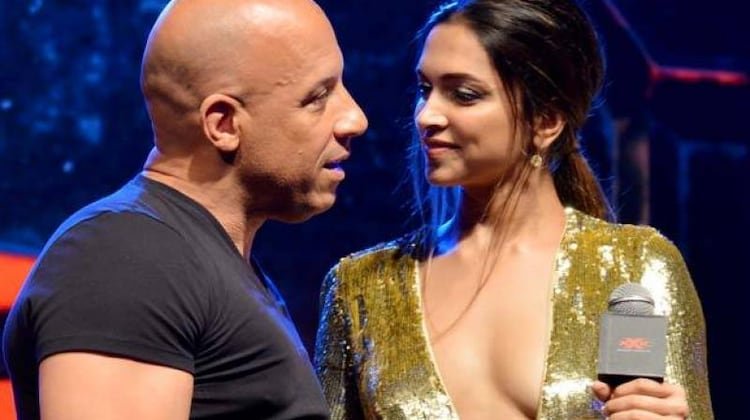
The same happened with Deepika Padukone during the promotions for her Hollywood debut alongside Vin Diesel. Every interview became internet analysis material. People debated whether Hollywood “respected” her enough. Social media users monitored whether American hosts pronounced her name correctly, whether co-stars interrupted her, and whether international media gave her adequate attention.
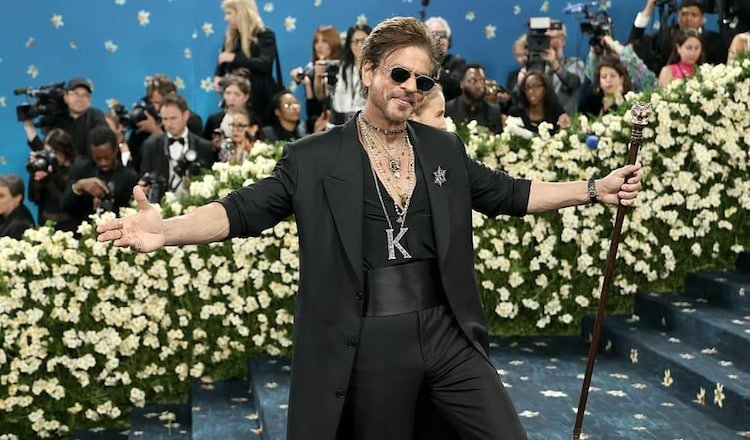
Even Shah Rukh Khan’s Met Gala appearance triggered similar reactions. Instead of focusing on fashion or representation, online discussions revolved around whether foreign photographers recognised him quickly enough.
This pattern reveals something psychologically important.
Many Indians do not merely want Indian celebrities to attend global events. They want undeniable proof that Western institutions enthusiastically accept them.
That distinction matters.
What Cannes Red Carpets Actually Look Like Behind The Glamour
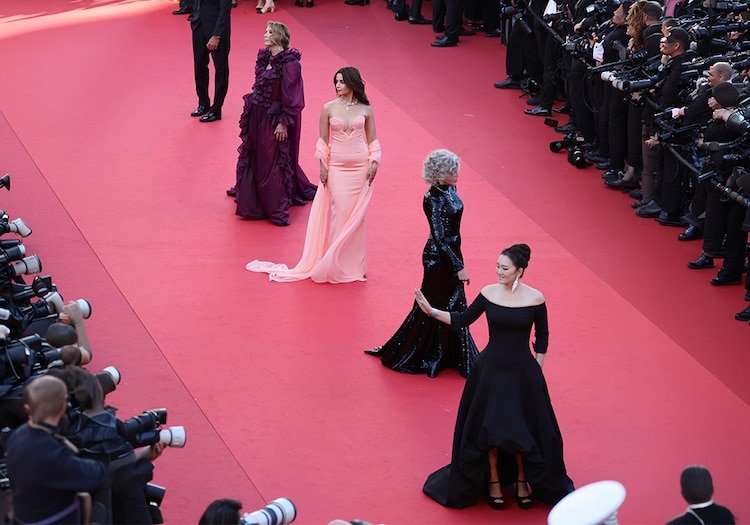
Much of the outrage around Alia Bhatt’s Cannes appearance stems from misunderstanding how international red carpets function.
The Cannes Film Festival is not designed like a Bollywood award show. It is intensely fast-paced, heavily choreographed, and visually overwhelming.
Photographers at Cannes stand inside barricaded sections packed shoulder to shoulder. They often photograph hundreds of attendees in rapid succession under strict timelines. Publicists move celebrities along quickly to prevent bottlenecks.
There are also practical realities viewers rarely see in viral clips:
- Photographers may already have captured enough shots before the viral moment begins.
- Different agencies prioritise different celebrities based on client demand.
- Some stars arrive during transitions between major arrivals.
- Noise, crowd density, and movement create visual confusion.
- Video snippets online remove all surrounding context.
Veteran Cannes attendees frequently describe the red carpet as exhausting and disorienting in real time. Yet internet culture compresses these chaotic moments into simplistic narratives like “ignored” or “snubbed.”
It is the equivalent of watching three seconds of a cricket match and claiming to understand the entire game.
Social Media Rewards Humiliation More Than Nuance
One reason these controversies escalate so quickly is because modern social platforms reward negativity.
A thoughtful observation rarely spreads faster than mockery.
Algorithms prioritise emotional reactions. Outrage generates engagement. Humiliation generates shares. The internet has increasingly turned embarrassment into entertainment, particularly when celebrities are involved.
In Alia Bhatt’s case, the narrative became irresistible because it combined several things social media loves:
- Celebrity scrutiny
- National insecurity
- Foreign validation anxiety
- Short viral video clips
- Easy meme potential
Once the “ignored at Cannes” storyline emerged, facts became secondary. The discourse evolved into a collective performance where users competed to create the sharpest jokes or harshest takes.
The actual reality of the event no longer mattered.
The Colonial Hangover Behind Global Approval Anxiety
The deeper issue here is cultural psychology.
India’s relationship with Western validation is complicated by history. Decades after colonial rule ended, traces of that mindset still appear in subtle ways across media, education, language, and celebrity culture.
International recognition is often treated as the highest form of success.
An Indian film winning praise abroad is frequently considered more prestigious than dominating domestically. A celebrity appearing on American television becomes “global.” Fashion coverage from Paris or Cannes receives disproportionate attention compared to equally important Asian cultural platforms.
This creates a strange emotional dependency on external approval.
As a result, Indian celebrities abroad are not viewed merely as entertainers. They become symbolic representatives carrying the burden of national perception.
Every appearance turns into a performance review conducted by millions online.
Did foreigners applaud loudly enough?
Did photographers recognise them immediately?
Did Western media validate their presence?
These questions dominate conversations far more than the celebrity’s actual achievements.
Why Indian Celebrities Face Harsher Scrutiny Abroad
There is another uncomfortable truth beneath the Alia Bhatt Cannes reaction: Indians are often harsher on Indian celebrities than foreign audiences are.
Part of this comes from familiarity. Audiences tend to romanticise outsiders while demanding perfection from people they already know.
International stars visiting India frequently receive overwhelming admiration even when behaving casually or arriving late to events. Meanwhile, Indian actors abroad are expected to flawlessly represent the nation under intense scrutiny.
This imbalance becomes especially visible online.
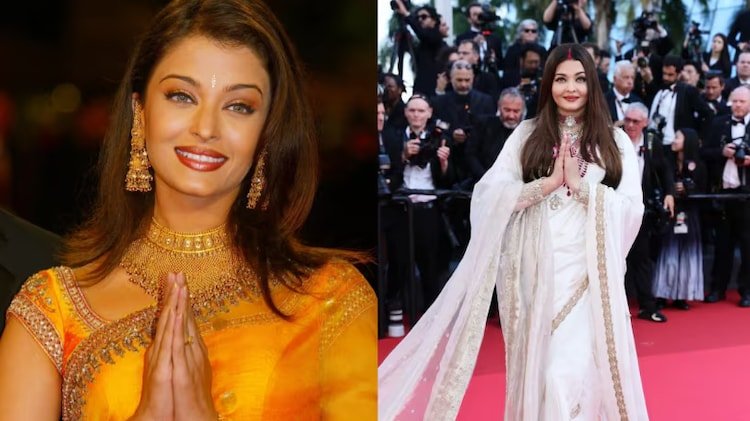
An Indian celebrity’s fashion choice abroad becomes a national debate. Their interview style becomes psychological analysis. Their body language becomes evidence of confidence or insecurity.
Foreign celebrities rarely experience this level of symbolic pressure.
In Alia Bhatt’s case, a normal Cannes appearance became transformed into commentary about India’s global standing.
That is an extraordinary burden to place on any actor attending a film festival.
The Reality Of India’s Growing Influence At Global Events
Ironically, the obsession with validation often blinds people to the bigger picture: Indian representation at global cultural events has expanded dramatically over the past decade.
Indian actors, filmmakers, designers, and influencers now regularly appear at Cannes, the Met Gala, international fashion weeks, and Hollywood productions.
Luxury brands increasingly collaborate with Indian celebrities because India’s entertainment industry commands enormous audiences and commercial influence.
Streaming platforms have globalised Indian storytelling in unprecedented ways. Bollywood stars today operate in a far more internationally visible environment than previous generations ever did.
But internet discourse often reduces these broader achievements into narrow questions about applause volume and paparazzi attention.
It is like ignoring the fact that you entered the stadium because someone did not cheer loudly enough when you walked in.
Why Viral Celebrity Narratives Are Often Misleading
The Alia Bhatt controversy also demonstrates how modern celebrity culture increasingly functions through manufactured narratives rather than reality.
Viral clips create emotional impressions quickly. Audiences react before context emerges. Algorithms amplify dramatic interpretations over balanced ones.
By the time fuller footage or alternative perspectives appear, the narrative has already solidified.
This phenomenon extends far beyond Bollywood or Cannes.
Modern internet culture routinely transforms ordinary moments into exaggerated controversies because outrage is more profitable than accuracy. Celebrities become characters in constantly evolving online storylines where perception matters more than truth.
Alia Bhatt’s Cannes appearance was simply the latest example.
The Internet’s Need To Humble Successful Women
There is also a gendered dimension to these reactions that deserves attention.
Female celebrities often face disproportionately personal scrutiny online, especially regarding confidence, popularity, appearance, and social acceptance.
Successful women in entertainment are frequently subjected to cycles of overpraise followed by aggressive backlash. The internet builds them up, then eagerly searches for moments to “humble” them.
Alia Bhatt’s Cannes appearance became fertile ground for that dynamic.
The conversation quickly shifted from professional accomplishment to personal legitimacy. Was she “important enough”? Did she command enough attention? Did foreigners validate her status?
Male celebrities attending similar events often escape this level of emotional dissection.
The difference is noticeable.
The Real Question Is Not About Alia Bhatt
Ultimately, the Cannes controversy is not really about Alia Bhatt.
It is about how social media has fused celebrity culture with national insecurity. It is about how online audiences increasingly consume humiliation as entertainment. And it is about how many people still subconsciously measure success through Western recognition.
The irony is that Alia Bhatt remains one of India’s most commercially successful and critically recognised actors regardless of what happened during a few seconds on a red carpet.
The Cannes Film Festival itself will move on to the next celebrity arrival. Photographers will continue shouting names. Viral clips will continue distorting reality.
But the deeper cultural questions remain.
Why are Indians sometimes more invested in foreign approval than their own achievements?
Why does international visibility trigger such intense scrutiny of Indian celebrities?
And why do online audiences seem so eager to interpret ordinary moments as evidence of rejection?
Those questions are far more interesting than whether photographers briefly called Alia Bhatt’s name loudly enough.
Conclusion
The viral reaction to Alia Bhatt at Cannes reveals less about the actor and more about the internet culture surrounding fame, validation, and identity in modern India.
What should have been a simple red carpet appearance became another example of how social media amplifies insecurity, rewards mockery, and transforms fleeting moments into exaggerated national conversations.
As Indian cinema and celebrity culture continue expanding globally, these debates will likely become even more common. Another actor will attend another international event. Another viral clip will spark another online frenzy.
But perhaps the real evolution will come when audiences stop treating Western approval as the ultimate measure of Indian success.
Because the truth is simple: Cannes cameras did not snub Alia Bhatt.
The internet merely projected its own anxieties onto her.
For breaking news and live news updates, like us on Facebook or follow us on Twitter and Instagram. Read more on Latest Entertainment on thefoxdaily.com.






COMMENTS 0