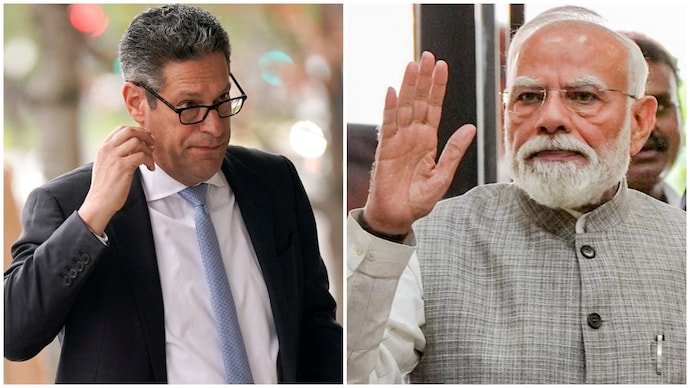
Meta has acknowledged that the temporary restriction of Prime Minister Narendra Modi’s Facebook video was an error, with Chief Global Affairs Officer Joel Kaplan issuing an apology on behalf of the company. The incident has since become part of a broader debate in India over Social Media accountability, intermediary protections under the Information Technology Act, Child Safety, Content Moderation and the growing influence of recommendation algorithms. The matter has also drawn the attention of Parliament, which has sought an apology from Meta CEO Mark Zuckerberg.
Meta Admits Error After PM Modi’s Facebook Video Was Restricted
Meta has apologised for the temporary removal of a Facebook video featuring Prime Minister Narendra Modi, describing the restriction as an operational mistake rather than an intentional moderation decision.
Joel Kaplan, Meta’s Chief Global Affairs Officer, confirmed that he had apologised to the concerned minister on behalf of the company.
“I apologised to the minister on behalf of Meta for the error restricting PM Modi’s post,” Kaplan said.
The video reportedly remained unavailable for approximately five to six hours before access was restored.
According to the source material, the Prime Minister’s address focused on issues concerning students and Generation Z, including examination-related controversies and the government’s efforts to curb paper leaks.
Although the restriction was brief, the fact that it involved the official communication of India’s Prime Minister ensured that the issue quickly attracted political and regulatory attention.
Parliamentary Committee Seeks Apology from Mark Zuckerberg
The Controversy escalated after the Parliamentary Standing Committee on Information Technology formally intervened.
A letter issued by the Lok Sabha Secretariat to the Secretary of the Ministry of Electronics and Information Technology (MeitY) stated that the committee viewed the removal of the Prime Minister’s Facebook video very seriously.
The communication sought an apology from Meta CEO Mark Zuckerberg within three days.
According to the letter, the committee also indicated that protection and immunity available to Zuckerberg could be reconsidered if no apology was issued within the specified period.
The parliamentary response demonstrates the increasing importance policymakers place on how major digital platforms handle official government communications.
Why the Temporary Removal Became a Significant Issue
Social media platforms process billions of posts, videos and images, making occasional moderation errors possible. However, mistakes involving official government communications often receive far greater scrutiny because they may temporarily limit public access to information issued by elected leaders.
In this case, lawmakers argued that even a temporary restriction involving the Prime Minister’s official message warranted a detailed explanation from Meta’s leadership.
The incident has also renewed questions about how automated moderation systems identify content, what safeguards exist for high-profile public communications and how quickly companies respond when mistakes occur.
Separate Government Consultations Focused on Platform Accountability
The issue involving Prime Minister Modi’s Facebook video coincided with broader discussions between Meta’s global leadership and officials from the Ministry of Electronics and Information Technology.
According to government sources cited in the supplied material, the two-day consultations focused on platform accountability, compliance with Indian law and the company’s approach to content moderation.
Government sources stated that these discussions did not include the temporary removal of the Prime Minister’s Facebook video, indicating that the moderation error and the wider regulatory consultations were treated as separate matters.
Government Raises Concerns Over Child Safety and Harmful Content
During the consultations, government sources said officials strongly questioned Meta regarding the spread of Child Sexual Abuse Material (CSAM), deepfake content and shortcomings in platform operations.
According to the sources, Meta CEO Mark Zuckerberg apologised for these issues during the discussions.
Officials reportedly emphasised that digital platforms have an obligation to protect children online and argued that companies cannot benefit from advertising revenue generated on their platforms while simultaneously relying on legal protections if harmful content is inadequately addressed.
The supplied material attributes these statements to government sources and does not indicate that Meta separately released a public statement regarding these particular discussions.
Meta Reportedly Acknowledges Content Moderation Mistakes
Government sources also stated that Meta admitted making mistakes in content moderation and expressed regret over how certain harmful content had been handled.
According to the source material, company representatives have been asked to attend another meeting with government officials to continue discussions.
No further details were provided regarding the agenda of the follow-up meeting or any potential policy decisions arising from it.
The Debate Over Safe Harbour Protection
One of the most important issues raised during the consultations concerns the legal status of digital platforms under India’s Information Technology Act.
Government officials reportedly argued that Meta may not qualify for intermediary protection because its algorithms actively determine which content is recommended and amplified to users.
This issue extends beyond the specific incident involving the Prime Minister’s Facebook video and touches on a wider legal debate affecting internet platforms globally.
Understanding Section 79 of the Information Technology Act
Section 79 of India’s Information Technology Act provides what is commonly known as safe harbour protection for intermediaries.
Under this framework, platforms are generally protected from liability for third-party content uploaded by users, provided they comply with legal obligations, including removing unlawful material when directed by courts or authorised government agencies.
The principle recognises that online services hosting billions of posts cannot practically review every item before publication.
Safe harbour has long served as a foundational concept in internet regulation by balancing innovation, free expression and legal responsibility.
Government’s Argument on Recommendation Algorithms
According to government sources, Meta’s recommendation systems actively decide which users receive particular content rather than functioning as passive hosting services.
Officials reportedly argued that this level of algorithmic involvement means the company should not automatically receive the same legal protections traditionally available to intermediaries.
“It was made clear to them that they are not covered under the definition of an intermediary. They select who receives the content. Therefore, the safe harbour protection under the IT Act is not applicable,” government sources said.
This represents the government’s reported interpretation during the discussions. The supplied material does not indicate that any final legal determination has been made regarding Meta’s intermediary status.
Why Recommendation Algorithms Matter
The debate reflects a broader international policy question.
Modern social media platforms no longer simply host content in chronological order. Instead, sophisticated recommendation systems determine which posts, videos and advertisements users are most likely to see based on numerous engagement signals.
Supporters argue these systems help users discover relevant content more efficiently.
Critics contend that actively recommending material gives platforms greater influence over information distribution, raising questions about whether they should bear additional legal responsibilities.
India’s discussions with Meta mirror similar regulatory debates taking place in several jurisdictions around the world.
Meta’s Reported Comments on Boosting Content
Government sources also stated that discussions covered Meta’s business practices.
According to the supplied material, company representatives acknowledged spending significant amounts to boost certain categories of content and expressed regret regarding those decisions.
The report does not specify which categories of content were discussed, nor does it provide additional details regarding the context in which the remarks were made.
Without further official information, no broader conclusions can be drawn from the reported discussions.
Parliamentary Committee Also Addresses Alleged Investment App Fraud
The Parliamentary Standing Committee’s communication extended beyond the issue involving Meta.
According to the letter, the committee also requested government action concerning the head of Google India in connection with allegations involving fraudulent investment applications.
The communication referred to a Hyderabad Cyber Police case in which complainants alleged losses exceeding Rs 48 lakh after investing through fraudulent apps.
The committee expressed the view that similar action should be considered by the Government of India.
The supplied material refers to allegations made by complainants and does not indicate any judicial finding establishing liability.
Key Developments Explained
| Issue | What Happened | Why It Matters |
|---|---|---|
| PM Modi Facebook video | Meta apologised after temporarily restricting the video | Raised questions about moderation accuracy for official communications |
| Parliamentary response | Committee sought an apology from Meta CEO Mark Zuckerberg | Reflects growing legislative oversight of digital platforms |
| Government consultations | Officials discussed child safety, platform accountability and compliance | Signals continued regulatory engagement with large technology companies |
| Safe harbour debate | Officials questioned whether Meta qualifies as an intermediary under existing law | Could influence future interpretation of digital platform responsibilities |
| Content moderation | Government sources said Meta acknowledged mistakes and expressed regret | Highlights increasing scrutiny of platform governance practices |
Why This Story Extends Beyond One Moderation Error
While the temporary restriction of the Prime Minister’s Facebook video triggered immediate political attention, the broader significance lies in the wider policy issues now under discussion.
Governments across the world continue to examine how major technology companies moderate content, deploy recommendation algorithms and respond to harmful material online.
India, with one of the world’s largest internet user bases, has increasingly focused on ensuring that digital platforms operate transparently while complying with domestic legal requirements.
The latest consultations suggest that platform accountability will remain an important area of engagement between regulators and technology companies.
Confirmed Facts and Matters Still Under Discussion
Several aspects of the story are clearly established.
- Meta publicly apologised for the temporary restriction of Prime Minister Narendra Modi’s Facebook video.
- Joel Kaplan described the restriction as an error.
- The Parliamentary Standing Committee sought an apology from Meta CEO Mark Zuckerberg.
- Government officials met with Meta leadership to discuss platform accountability and content moderation.
- Government sources questioned Meta’s eligibility for safe harbour protection under the Information Technology Act.
However, the legal interpretation of intermediary status under Section 79 remains a matter of reg
For breaking news and live news updates, like us on Facebook or follow us on Twitter and Instagram. Read more on Latest India on thefoxdaily.com.






COMMENTS 0