The Delhi High Court has dismissed all 15 petitions seeking the registration of FIRs and a Special Investigation Team (SIT) probe into alleged hate speeches by political leaders in connection with the 2020 northeast Delhi riots.
The petitions, filed in the aftermath of the violence, sought criminal investigations into speeches allegedly delivered during protests against the Citizenship Amendment Act (CAA) and the proposed National Register of Citizens (NRC). The petitioners argued that statements made by several political leaders contributed to the atmosphere that preceded the communal clashes.
A bench comprising Justices Vivek Chaudhary and Manoj Jain dismissed the petitions on Monday. The pleas had also sought action against police officials WHO were accused by petitioners of failing to perform their duties during the violence.
The court’s decision brings an important set of proceedings arising from the 2020 Delhi riots to a close at the petition stage, while the allegations raised by the petitioners and the identities of the political leaders named in the pleas remain part of the legal record.
What Were the Delhi High Court Petitions About?
The 15 petitions were filed after communal violence broke out in northeast Delhi in February 2020. At the centre of the petitions were allegations that speeches made by political leaders during the protests against the CAA and NRC helped create conditions that contributed to the subsequent violence.
The petitioners wanted the police to register FIRs against the leaders named in their respective pleas and investigate whether their speeches amounted to offences connected to the riots.
Some petitions also asked the court to direct the creation of an SIT so that the allegations could be investigated by a specialised team rather than being handled through the existing investigative process.
The petitions further raised allegations against police officials, with petitioners seeking action over what they described as dereliction of duty during the violence.
The High Court, however, dismissed all 15 petitions.
Which Political Leaders Were Named in the Pleas?
The petitions named politicians from several major political parties and political organisations.
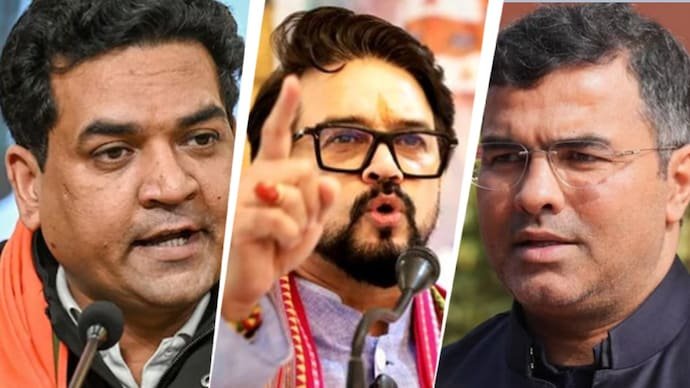
One plea, filed by Shaikh Mujtaba, sought registration of an FIR against BJP leaders Kapil Mishra, Anurag Thakur, Parvesh Verma and Abhay Verma. The petition alleged that speeches made by the leaders contributed to the violence surrounding the 2020 riots.
Another petition filed by Lawyers Voice named Congress leaders Sonia Gandhi, Rahul Gandhi and Priyanka Gandhi Vadra. It also named Aam Aadmi Party leaders Manish Sisodia and Amanatullah Khan, AIMIM chief Akbaruddin Owaisi and former MLA Warris Pathan.
The allegations contained in the petitions were claims made by the petitioners. The High Court’s dismissal of the pleas does not by itself establish the truth or falsity of each underlying allegation; rather, it means the court did not grant the requested directions for FIR registration and an SIT investigation through these petitions.
How the 2020 Northeast Delhi Riots Unfolded
The northeast Delhi violence erupted on February 24, 2020, amid heightened tensions surrounding protests against the CAA and NRC.
The clashes quickly escalated into widespread communal violence across parts of northeast Delhi. According to the figures cited in the petitions and related proceedings, at least 53 people were killed and around 700 were injured.
The violence caused extensive disruption and drew national attention to questions surrounding the conduct of protesters, political leaders, police authorities and other institutions during the period of unrest.
The riots also generated multiple legal proceedings, including criminal cases, petitions concerning investigations and demands for accountability from different groups affected by the violence.
Why the Hate Speech Allegations Became a Legal Issue
The petitions focused on speeches allegedly delivered before and during the period of unrest. Petitioners argued that certain statements by political leaders went beyond political rhetoric and contributed to the escalation of tensions.
The central legal question was not simply whether controversial speeches had been made. The petitions sought formal criminal investigations into whether the statements amounted to offences and whether they could be connected to the subsequent violence.
Registration of an FIR can initiate a formal criminal investigation, allowing investigating agencies to collect evidence, examine witnesses and assess whether the allegations disclose offences under applicable law.
By seeking direct judicial directions for FIR registration, the petitioners were asking the High Court to intervene in the investigative process and require police action against the politicians named in the pleas.
The additional demand for an SIT reflected the petitioners’ contention that an independent or specialised investigation was necessary to examine the allegations and the conduct of authorities during the riots.
Petitions Also Raised Questions About Police Conduct
The political speeches were not the only issue raised before the court.
The petitions also sought action against police officials accused of dereliction of duty. The allegations concerned the manner in which authorities responded to the unrest and whether officials had adequately discharged their responsibilities during the violence.
Such allegations form a separate dimension of the wider legal debate surrounding the 2020 riots. While the Hate Speech petitions focused on political leaders and their alleged statements, the claims concerning police officials dealt with the conduct of state authorities during a period of serious communal violence.
The High Court’s dismissal of the petitions means that the specific relief sought through these proceedings, including directions for FIRs and an SIT investigation, was not granted.
What the Court’s Decision Means for the 15 Petitions
The immediate effect of the Delhi High Court’s order is that the 15 petitions seeking FIRs against the named political leaders and an SIT probe have been dismissed.
The petitioners had sought judicial intervention to compel investigations into allegations they said were connected to the riots. The court did not grant those requests.
The dismissal is significant because the petitions sought criminal proceedings involving politicians from different political parties. The allegations covered speeches made during a politically charged period surrounding the CAA and NRC protests.
However, the court’s decision should be understood specifically in the context of the relief sought in these petitions. It does not constitute a general judicial determination that every statement referred to by the petitioners was lawful or unlawful. Nor does the dismissal itself establish criminal liability for any of the individuals named in the pleas.
CAA, NRC Protests and the Political Context
The petitions arose from protests against the Citizenship Amendment Act and concerns surrounding the proposed NRC.
The CAA became a major political and social issue in India after its passage, with supporters and opponents taking sharply different positions over its provisions and implications. Protests were held in several parts of the country, including Delhi.
In northeast Delhi, tensions eventually developed into violent clashes in February 2020. The subsequent litigation has examined different aspects of the violence, including alleged hate speech, police conduct, criminal responsibility and the handling of investigations.
The latest High Court decision addresses one specific part of that broader legal history: the petitions seeking FIRs and an SIT investigation into alleged speeches by political leaders.
Why FIR Registration Was Central to the Case
An FIR is the formal starting point for investigation when information discloses a cognisable offence. Once an FIR is registered, investigators can undertake steps such as recording witness statements, collecting documentary or electronic evidence and examining the circumstances surrounding the alleged offence.
The petitioners therefore viewed FIR registration as necessary to establish whether the speeches identified in their petitions had violated criminal law and whether they had a connection with the violence.
The court’s refusal to direct registration through these petitions means the petitioners did not obtain the judicially ordered investigation they had sought.
That distinction is important in understanding the outcome. A court dismissing a plea for an FIR is not the same as conducting a criminal trial and finding an accused person guilty or innocent. The legal question at this stage concerned whether the requested directions should be issued.
The Broader Legal Legacy of the 2020 Delhi Riots
The northeast Delhi riots remain one of the most consequential episodes of communal violence in the capital in recent years. The death toll, injuries and extensive property damage resulted in a large number of criminal cases and legal proceedings.
The violence also generated continuing debate over accountability. Different parties and organisations have made competing claims about the causes of the unrest, the role of political speeches, the conduct of protesters and the response of law-enforcement agencies.
The 15 petitions represented one avenue through which petitioners attempted to obtain further investigations into political leaders and police officials.
The High Court’s dismissal of those petitions does not eliminate the broader legal record surrounding the riots. Instead, it determines the outcome of these particular requests for FIR registration and an SIT probe.
What Happens After the High Court’s Order?
The immediate legal consequence is that the 15 petitions have been dismissed by the Delhi High Court. The petitioners had sought FIRs against the named politicians and a specialised investigation into the allegations, but those directions were not granted.
The wider criminal and judicial proceedings associated with the 2020 northeast Delhi violence remain a separate matter. Individual cases arising from the riots can involve different allegations, accused persons, evidence and procedural histories.
The ruling therefore needs to be viewed within that broader framework rather than as a final judicial determination of every allegation connected to the riots.
For the petitioners, the decision represents the rejection of their attempt to obtain court-directed FIRs and an SIT investigation through these 15 proceedings. For the political leaders named in the petitions, the dismissal means the specific relief sought against them in these cases was not granted.
The case also illustrates the legal distinction between allegations surrounding political speech and criminal liability. Establishing whether a speech constitutes an offence, and whether it has a legally provable connection to subsequent violence, requires consideration of the specific words, context, evidence and applicable law.
As the legal history of the 2020 Delhi riots continues to develop through separate proceedings, the Delhi High Court’s latest order marks a significant ruling on one set of petitions that sought criminal investigations into alleged hate speeches and police conduct.
For breaking news and live news updates, like us on Facebook or follow us on Twitter and Instagram. Read more on Latest India on thefoxdaily.com.






COMMENTS 0