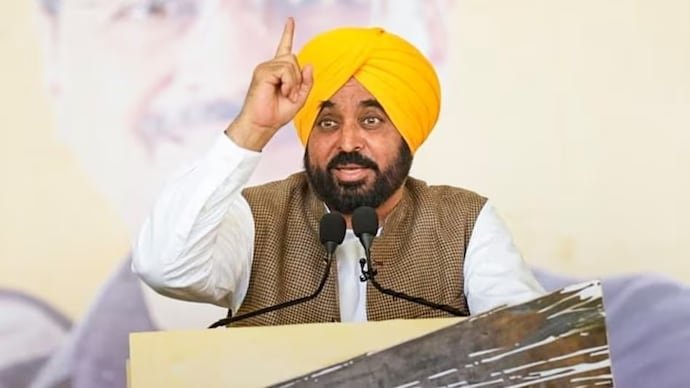
Punjab is preparing to broaden its approach to drug de-addiction by placing greater emphasis on Mental Health, counselling, Rehabilitation and relapse prevention alongside medical treatment. Chief Minister Bhagwant Mann has given in-principle approval for a pilot programme aimed at strengthening psychosocial care for people battling addiction in three border districts.
The initiative will initially cover Amritsar, Tarn Taran and Fazilka, where it will operate alongside existing outpatient opioid-assisted treatment clinics. The programme is also expected to extend to jails in Gurdaspur and Kapurthala, according to an official statement.
The proposed model reflects a shift toward treating addiction as a longer-term recovery challenge rather than relying exclusively on medication. The state government intends to combine clinical care with emotional support, counselling, rehabilitation and community participation to help people remain in treatment and reduce the risk of relapse.
Punjab’s De-Addiction Strategy to Include Psychosocial Care
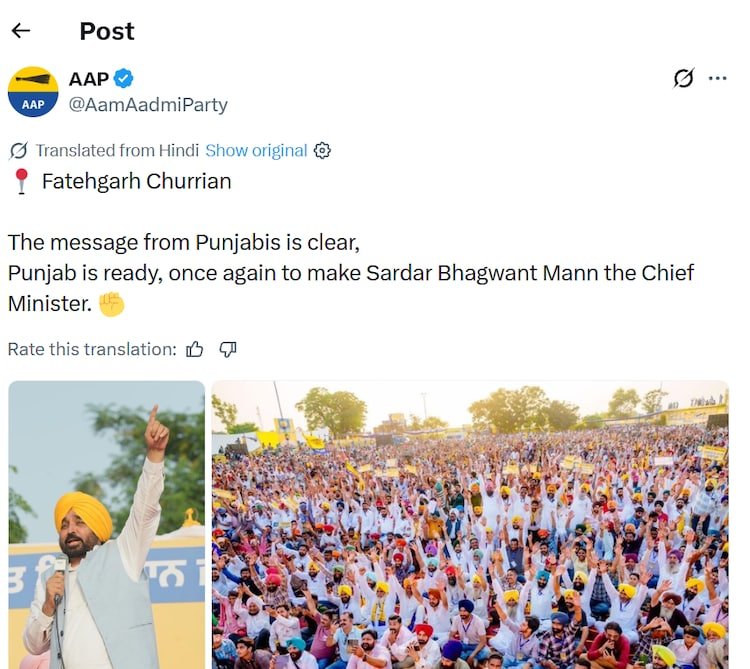
The decision followed a meeting between Mann and a delegation from the Art of Living Foundation. During the meeting, the chief minister approved the proposal in principle for a pilot project that would add a spiritual wellness component based on the foundation’s approach to the existing medical treatment system.
The objective is to address a gap that can emerge after a person begins medication-based treatment. While medicines can play an important role in managing opioid dependence, long-term recovery can also involve psychological, emotional and social challenges.
Mann said the proposed programme would therefore complement existing clinical services rather than replace them. The focus will be on strengthening emotional resilience and supporting people through the difficult stages of recovery.
The programme is particularly significant because the government has identified retention in treatment during the initial months as a major challenge. Starting treatment is only one part of the recovery process. Maintaining engagement with healthcare providers and rehabilitation services can be equally important for people attempting to overcome addiction.
Why Mental Health Matters in Addiction Recovery
Addiction can affect far more than physical health. People struggling with substance dependence may also face emotional distress, social isolation, damaged family Relationships, unemployment and difficulty rebuilding ordinary routines.
That means a purely medical approach may not address every barrier that can stand between treatment and sustained recovery. Counselling and psychosocial support can help people deal with emotional triggers, develop healthier coping mechanisms and reconnect with their families and communities.
Punjab’s proposed programme is designed around this broader understanding of recovery. Instead of viewing successful treatment simply as the reduction of substance use, the initiative seeks to help people remain engaged with treatment and eventually rebuild their lives with greater stability and dignity.
The government has also indicated that relapse prevention will be an important component. Recovery from addiction is often a continuing process, and support after the initial stage of treatment can be important in helping individuals deal with circumstances that may place them at risk of returning to substance use.
Art of Living Component to Complement Medical Treatment
The proposed programme will introduce an Art of Living-based spiritual wellness component as part of the broader psychosocial rehabilitation effort. The intention is to bridge the space between medication-assisted treatment and longer-term emotional and social recovery.
The government has stressed that the new approach will work alongside existing medical services. Treatment staff will initially support the programme, while trained local personnel will gradually take over its implementation.
This transition is intended to make the programme more sustainable. Rather than creating a system permanently dependent on outside organisations, the pilot is expected to develop local capacity so that trained personnel can continue the work within the state’s existing treatment framework.
The emphasis on local implementation could also allow the programme to become more closely connected with communities. Addiction does not affect individuals in isolation; families, neighbourhoods, schools, workplaces and local institutions can all play a role in the recovery process.
Three Border Districts to Host the Initial Pilot
The first phase of the initiative will be launched in Amritsar, Tarn Taran and Fazilka. These districts will serve as the initial testing ground for the psychosocial care model.
Existing outpatient opioid-assisted treatment clinics will continue to provide medical treatment, while the new programme will add counselling, wellness and rehabilitation-oriented support.
The inclusion of jails in Gurdaspur and Kapurthala expands the scope beyond community-based treatment. Prison populations can include people with substance-use problems who require continuity of care, counselling and rehabilitation support.
By including both outpatient treatment settings and prisons, the pilot could provide the state with experience in delivering psychosocial services across different environments. The results of the initial implementation are expected to help determine how such services can be developed more broadly.
Punjab Wants Recovery to Continue Beyond Treatment
Mann said de-addiction must go beyond medical intervention. His argument is that overcoming addiction also requires emotional resilience and the determination to continue through the recovery process.
This approach places long-term recovery at the centre of the state’s strategy. Medication can help address dependence, but maintaining recovery can require continued counselling, family support, rehabilitation and social reintegration.
The government has described the proposed initiative as part of a larger anti-drug strategy combining several elements. These include medical treatment, counselling, rehabilitation, community support and legal action against drug trafficking.
Mann also said the government had taken steps to weaken drug trafficking networks by disrupting supply chains and pursuing traffickers through the criminal justice system. At the same time, he argued that reducing supply alone would not resolve the problem if people affected by addiction did not receive effective rehabilitation.
The next challenge, according to the chief minister, is to make sure that people battling addiction receive timely support that allows them to return to their families and communities with dignity and self-respect.
From Drug Control to Rehabilitation
The new initiative represents a broader policy emphasis in which law enforcement is only one part of the response to drug abuse. Supply reduction can target trafficking networks, but demand-side problems require healthcare, rehabilitation and social support.
That distinction is important for understanding the government’s proposed model. A person receiving treatment may still face the social and psychological circumstances that contributed to substance dependence in the first place. Without adequate support, those challenges can make sustained recovery more difficult.
The pilot therefore seeks to connect different stages of the response. Medical services can provide clinical treatment, counselling can address psychological and emotional challenges, rehabilitation can support the rebuilding of daily life, and community participation can help people remain connected after formal treatment.
The effectiveness of the model will ultimately depend on how well these components work together and whether people remain engaged with care over time.
Mann Also Highlights Punjab Government’s Development Agenda
The de-addiction announcement came alongside a broader presentation by Mann of his government’s Governance and development priorities. Addressing a gathering at the Lok Milni programme, the chief minister contrasted his government’s work with the previous congress and Akali governments.
Mann said his government had undertaken extensive development work during four-and-a-half years and described its approach as “Kaam Ki Rajneeti”, contrasting it with what he characterised as family-centric politics of the past.
He identified education, healthcare, electricity, irrigation, employment and infrastructure as major areas of focus. According to Mann, the government’s objective has been to strengthen public institutions while ensuring that welfare and development measures reach ordinary households.
Education and Healthcare Among Key Priorities
Education was highlighted as one of the central areas of the government’s agenda. Mann said government schools had experienced years of neglect and that efforts were being made to improve infrastructure, introduce modern facilities and strengthen the quality of education.
He said the broader objective was to create an environment in which students from government schools could compete with students elsewhere.
The chief minister also highlighted welfare measures related to electricity and healthcare. He claimed that approximately 90 per cent of households in Punjab were benefiting from free electricity and said state health initiatives provided families with treatment cover of up to Rs 10 lakh.
According to Mann, these measures are intended to reduce the financial pressure on families and make government spending more directly beneficial to ordinary residents.
Canal Irrigation and Groundwater Conservation
Water security was another major issue raised by the chief minister. Mann said canal water was now reaching 88 per cent of agricultural fields, highlighting irrigation expansion as part of the government’s effort to support agriculture and reduce dependence on groundwater.
Punjab’s groundwater situation has become a major policy concern for the state. Agriculture has historically depended heavily on groundwater, making conservation and alternative sources of irrigation important to long-term water security.
Mann argued that strengthening canal infrastructure could help reduce pressure on underground water resources while supporting farmers and the wider agricultural Economy.
The chief minister also referred to measures intended to provide greater financial support to women and described welfare programmes for mothers and sisters as an important part of the government’s approach.
Groundwater Recharge Pilot Planned for Mansa and Sangrur
Alongside the de-addiction programme, Mann asked the Art of Living Foundation to work on another pilot project focused on groundwater recharge and conservation in Mansa and Sangrur.
The project is expected to begin in the two districts before potentially being expanded across Punjab. Its proposed focus is to develop comprehensive strategies for conserving groundwater and improving recharge.
Mann stressed that groundwater must be protected for future generations and described declining water levels as one of the state’s major challenges.
The proposed awareness campaign is also expected to involve coordination with government departments so that its message reaches farmers, young people, students and other sections of society.
Drug Recovery and Water Security Reflect Longer-Term Challenges
The two initiatives discussed by Mann address different problems, but both are framed around long-term sustainability. The de-addiction programme focuses on helping people remain in treatment and maintain recovery, while the groundwater project focuses on preserving a resource for future generations.
Both also involve changing behaviour at the community level. Drug rehabilitation requires people and families to engage with treatment and support systems, while groundwater conservation depends heavily on awareness and changes in how water is used.
For Punjab, these challenges extend beyond short-term government announcements. Addiction, groundwater depletion, unemployment, infrastructure gaps and pressure on public institutions require sustained interventions over time.
Mann acknowledged that Punjab continues to face problems including unemployment, drug abuse, declining groundwater levels, inadequate public infrastructure and weaknesses in public institutions. He argued that addressing these issues requires consistent policy intervention rather than temporary announcements.
What the Punjab De-Addiction Pilot Will Need to Demonstrate
The immediate test for the new programme will be whether psychosocial support can improve treatment engagement and contribute to sustained recovery among participants.
Because the initiative is being introduced as a pilot, its implementation can provide the government with an opportunity to identify which elements work effectively and where additional support is needed. Training local personnel will also be important if the programme is eventually expanded beyond the initial districts.
The involvement of existing medical staff during the initial phase provides a connection between clinical treatment and the new psychosocial component. Over time, the development of trained local teams could determine whether the model can operate sustainably without continued dependence on external support.
The programme’s broader significance lies in its attempt to treat addiction as a continuing recovery issue. Medical intervention remains central, but the government is seeking to add counselling, emotional support, rehabilitation, community participation and relapse prevention to the response.
If implemented effectively, the pilot could provide Punjab with a framework for integrating these elements into its wider de-addiction system. For people battling addiction and their families, the stated goal is not simply to begin treatment, but to create the support needed to stay on the path toward long-term recovery and a more stable life.
For breaking news and live news updates, like us on Facebook or follow us on Twitter and Instagram. Read more on Latest India on thefoxdaily.com.






COMMENTS 0