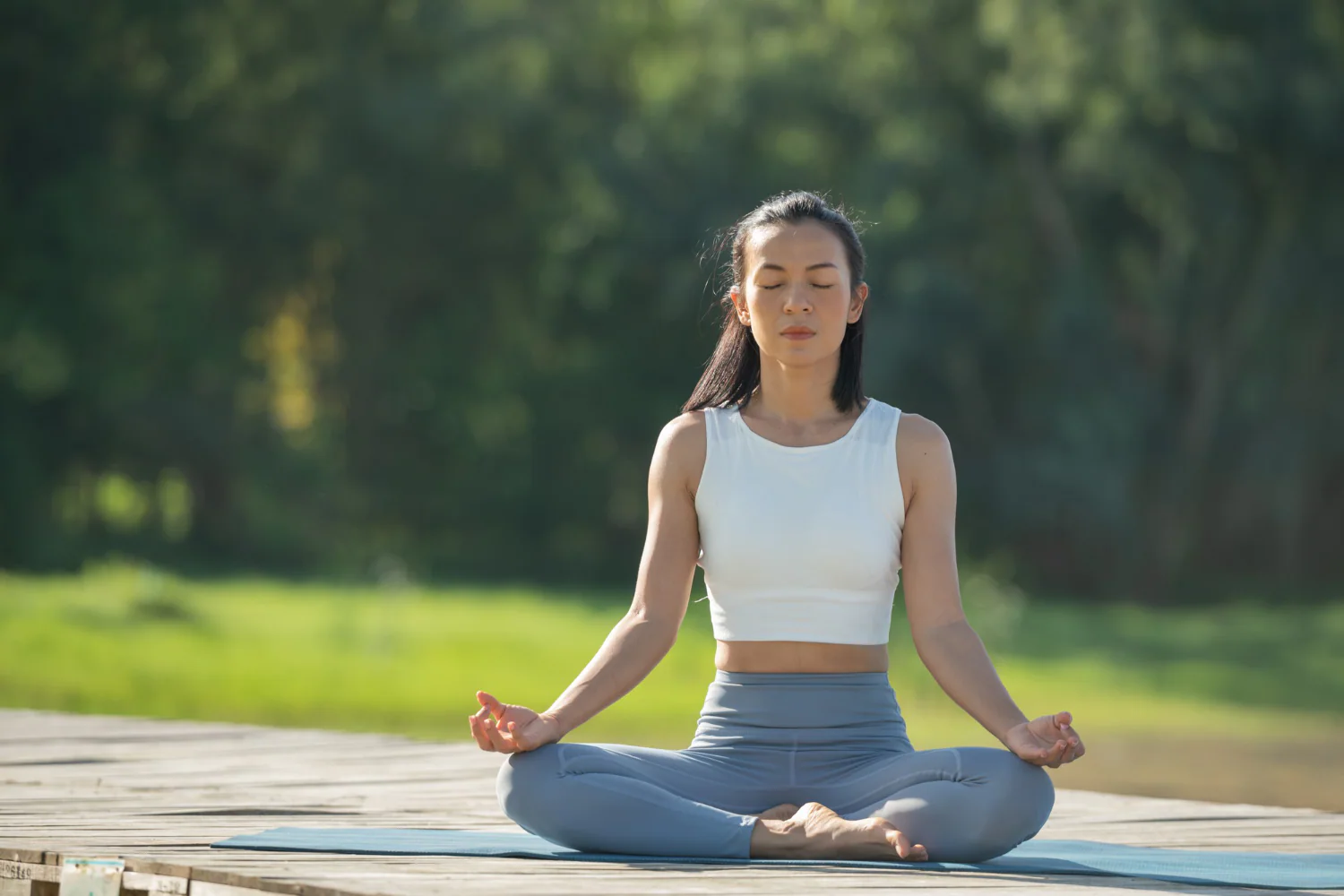
5 Breathing Techniques to Reduce Stress and Improve Focus
5 Breathing Techniques to Try When Stress Makes It Hard to Focus
From box breathing and the 4-7-8 technique to diaphragmatic breathing, these simple exercises may help calm your mind, manage stressful moments and regain concentration.
A looming deadline, an important presentation, an uncomfortable conversation or the pressure of an upcoming examination can make it difficult to concentrate. Even when you know what needs to be done, stress can leave your mind racing, your body tense and your attention scattered across multiple worries.
In such moments, taking a deliberate pause to regulate your breathing may help you regain a sense of control. Breathing exercises are simple practices that can be performed at home, at work or before a stressful event, without requiring special equipment.
When stress rises, the body can activate its fight-or-flight response, a physiological reaction that prepares it to deal with a perceived threat. Breathing may become faster or shallower, the heart rate can increase, and it may become harder to direct attention towards a specific task.
Mugdha Pradhan, a functional medicine practitioner, certified breathwork practitioner and founder and CEO of functional health company iThrive, explains that conscious breathing can help the body move towards a calmer state during stressful situations.
She notes that stress can cause shallow breathing, a racing heart and an overwhelmed mind. Conscious breathing offers a way to interrupt this pattern and encourage a more regulated response.
Different breathing techniques use different rhythms and patterns. Some focus on slow abdominal movement, while others involve counting, alternating nostrils or extending the exhalation. The most suitable approach depends on personal comfort and the situation in which it is being used.
Here are five breathing techniques that may help you manage everyday stress and support concentration, along with instructions on how to practise them safely.
1. Diaphragmatic breathing: A simple way to relax
Diaphragmatic breathing, also called belly breathing or abdominal breathing, focuses on using the diaphragm to breathe rather than relying primarily on shallow movements of the upper chest.
It is one of the simplest techniques to learn because it does not require complicated counting or breath-holding. The main goal is to develop a gentle, comfortable breathing rhythm while allowing the abdomen to move naturally.
How to practise diaphragmatic breathing
- Sit comfortably in a chair or lie down in a relaxed position.
- Place one hand on your chest and the other on your abdomen, just below the ribs.
- Breathe in gently through your nose and notice your abdomen expanding.
- Try to keep the movement of your upper chest relatively small without forcing it to remain completely still.
- Exhale slowly and allow your abdomen to settle.
- Continue for several comfortable breaths, keeping your shoulders relaxed.
Why it may help with stress and concentration
Stress can encourage rapid, shallow breathing, particularly when you are rushing between tasks or anticipating an uncomfortable situation. Belly breathing encourages greater awareness of the breathing pattern and may help reduce unnecessary tension.
Slowing your breathing can also provide a brief opportunity to step away from racing thoughts. Rather than trying to solve every problem at once, you focus on a simple physical action: breathing in and breathing out comfortably.
This makes diaphragmatic breathing a practical option before starting a demanding assignment, returning to work after a stressful conversation or taking a short break during a busy day.
However, the technique should not involve taking the biggest possible breath. Forced or excessively deep breathing can cause light-headedness in some people. Gentle, regular breaths are generally more comfortable than repeatedly filling the lungs to their maximum capacity.
2. Box breathing: A structured technique for high-pressure moments
Box breathing, also known as square breathing, uses four equal phases to create a predictable breathing rhythm. It is often practised before meetings, presentations or other situations in which a person wants to feel more composed.
The technique is straightforward: inhale, hold, exhale and hold again, keeping each phase to the same count. The equal intervals give the mind a specific sequence to follow, which may help redirect attention away from distracting thoughts.
How to practise box breathing
- Sit upright in a comfortable position and relax your shoulders.
- Inhale gently through your nose for four counts.
- Hold your breath for four counts, provided this feels comfortable.
- Exhale gently for four counts.
- Hold your breath again for four counts.
- Repeat the sequence for a few rounds, without forcing your breathing.
Why it may help when you need to focus
Box breathing gives your attention a clear, repeatable task. Instead of mentally rehearsing everything that could go wrong during a presentation, you concentrate on the next stage of the breathing cycle.
The structured rhythm may also help you recognise when your breathing has become rushed or irregular. Taking a short pause to follow the sequence can create space between an initial stress response and your next action.
For example, if you feel nervous before speaking in a meeting, you could practise a few comfortable rounds before entering the room. The exercise is not a guarantee that anxiety will disappear, but it may help you approach the situation more deliberately.
Breath-holding is not essential to obtaining a calming effect. If holding your breath feels uncomfortable, causes dizziness or increases anxiety, return to normal breathing or use a gentler technique without pauses.
3. The 4-7-8 breathing technique: Focus on a longer exhalation
The 4-7-8 technique uses a specific sequence of inhaling, holding the breath and exhaling. It involves breathing in for four counts, holding for seven counts and breathing out for eight counts.
The method places particular emphasis on the extended exhalation. It may appeal to people who prefer a clearly defined breathing pattern rather than an exercise that requires only general awareness of the breath.
How to practise the 4-7-8 technique
- Sit comfortably and relax your jaw, shoulders and neck.
- Inhale gently through your nose for four counts.
- Hold your breath for seven counts, but only if it feels comfortable.
- Exhale slowly through your mouth for eight counts.
- Repeat the sequence gently, stopping if you experience discomfort.
Why it may help with overwhelming thoughts
When you are stressed, your thoughts may move quickly from one concern to another. A measured breathing exercise gives you something specific to concentrate on while encouraging a slower rhythm.
Longer, controlled exhalations may influence the body’s relaxation response and can help some people feel calmer. The counting pattern also provides a simple mental anchor, making it easier to bring attention back to the present moment.
The technique may be useful during a quiet break after a demanding day or when you want to settle yourself before moving on to another task. Some people also practise it as part of a bedtime routine, although its effects on sleep vary from person to person.
The seven-count breath hold can feel challenging, especially for beginners. You should not force yourself to maintain the exact timing if it leaves you gasping or uncomfortable. A gentler breathing pattern with a slightly longer exhalation may be more appropriate.
People who become dizzy, breathless or more anxious while holding their breath should stop the exercise and return to their normal breathing pattern.
4. Alternate nostril breathing: Nadi Shodhana
Alternate nostril breathing, known as Nadi Shodhana in yogic practice, is a traditional pranayama technique that involves breathing through one nostril at a time while gently closing the other.
Unlike box breathing and the 4-7-8 method, which rely on counting, alternate nostril breathing requires attention to the movement between the left and right sides of the nose. The process creates a deliberate rhythm and encourages the practitioner to slow down.
How to practise alternate nostril breathing
- Sit comfortably with your back upright and your shoulders relaxed.
- Use your right thumb to close your right nostril gently.
- Inhale slowly through your left nostril.
- Close your left nostril and release your right nostril.
- Exhale through your right nostril.
- Inhale through the right nostril, then switch sides and exhale through the left.
- Continue alternating sides slowly for a few comfortable cycles.
Why it may support mental steadiness
The practice combines controlled breathing with a simple sequence of physical actions. Paying attention to which nostril is open and when to switch sides may help redirect attention away from repetitive worries.
As with other slow-breathing exercises, the deliberate pace may help some people feel more settled. Alternate nostril breathing is also part of established yoga traditions, where it is practised as a method of regulating the breath and preparing for meditation.
It may be worth trying before studying, during a quiet break or after a demanding conversation when you want to create a short period of focused attention.
However, claims that the technique rapidly balances the nervous system or consistently improves concentration should be approached cautiously. Individual responses vary, and the experience of feeling calmer does not mean that every proposed physiological effect has been established.
Keep the pressure on your nostrils light and avoid forcing air through a blocked nose. If alternating sides feels uncomfortable, stop and breathe normally.
5. Prolonged exhalation breathing: Make your out-breath longer
Prolonged exhalation breathing is a simple technique that involves breathing in gently and allowing the out-breath to last longer than the in-breath. Unlike the 4-7-8 method, it does not require a long breath hold or a rigid sequence of counts.
This flexibility makes it a useful starting point for people who find structured breathing exercises difficult. The aim is to create a comfortable, unhurried rhythm rather than achieve a particular number at all costs.
How to practise prolonged exhalation breathing
- Sit or stand in a comfortable position.
- Inhale gently through your nose for three to four counts.
- Exhale slowly for approximately six counts, extending towards eight only if comfortable.
- Allow the next inhalation to happen naturally.
- Continue for several breaths while keeping your face, shoulders and abdomen relaxed.
Why it may help calm the body
Breathing patterns can influence the body’s autonomic nervous system, which regulates functions such as heart rate and breathing. Slow, comfortable breathing may encourage a relaxation response in some people.
The longer exhalation also gives the exercise a simple point of focus. Rather than trying to suppress anxious thoughts, you concentrate on releasing the breath gradually and comfortably.
This can be particularly practical when you have only a few minutes between tasks. You can try it before opening a difficult email, after receiving unexpected news or when you notice that stress is making it hard to concentrate.
There is no need to make the exhalation extremely long. If you feel that you are running out of air, shorten the count and allow your breathing to return to its natural pace.
Which breathing technique should you choose?
All five techniques aim to make breathing more deliberate, but they differ in how much structure they require. Choosing one that feels comfortable is generally more useful than trying to follow a complicated routine while already overwhelmed.
- For beginners: Start with diaphragmatic breathing to develop awareness of your breathing pattern without needing to count.
- Before a presentation or meeting: Try box breathing if you are comfortable with brief breath holds.
- When your thoughts feel overwhelming: The 4-7-8 technique offers a clear sequence, provided the extended hold feels manageable.
- For a mindful break: Alternate nostril breathing combines a slow rhythm with focused attention.
- When you want a simple calming exercise: Prolonged exhalation breathing allows you to slow down without following a complex pattern.
These are practical starting points, not strict medical recommendations. You may find one technique helpful in one situation and another more comfortable at a different time.
How to use breathing exercises during a stressful day
Breathing exercises are most practical when they fit naturally into your routine. You do not need to wait until stress becomes overwhelming to take a brief pause.
Before starting a demanding task
Take a minute to notice your breathing before beginning an assignment or studying for an examination. A few comfortable breaths may help you transition from worrying about the task to focusing on the first step.
Before an important conversation
If you are anticipating a difficult discussion, use a short breathing exercise to slow down and collect your thoughts. The aim is not to eliminate every uncomfortable feeling but to give yourself a moment to respond more deliberately.
After an unexpected setback
When something goes wrong, you may feel an immediate urge to react. Pausing for several slow breaths can create a small gap between the event and your response, helping you decide what needs attention first.
During study or work breaks
Instead of moving immediately from one demanding activity to another, use a short break to relax your shoulders and breathe comfortably. You can then return to the task with a clearer plan for what to do next.
Common mistakes to avoid when practising breathwork
Breathing exercises should feel controlled but comfortable. Trying too hard to follow a particular technique can undermine the purpose of the practice.
- Taking excessively deep breaths: Bigger breaths are not always better. Breathe gently rather than repeatedly forcing your lungs to their maximum capacity.
- Holding your breath for too long: If a prescribed count feels uncomfortable, shorten it or choose a technique without breath holds.
- Expecting immediate results: Some people feel calmer after a few breaths, while others notice little change. Do not treat a lack of immediate relief as a personal failure.
- Ignoring physical discomfort: Stop if you experience dizziness, tingling, chest discomfort or worsening breathlessness. Return to normal breathing.
- Using breathwork as the only stress-management strategy: Persistent stress may also require changes to workload, sleep, daily habits or access to professional support.
It is also helpful to distinguish ordinary situational stress from symptoms that interfere with daily life. Breathing exercises can be one part of managing stress, but they are not a substitute for assessment or treatment when symptoms are persistent or severe.
Can breathing techniques improve focus?
Breathing exercises may support concentration indirectly by helping some people manage the physical and emotional effects of stress. When you feel less overwhelmed, it can become easier to direct your attention towards a task, organise your thoughts and decide what to do next.
However, breathwork should not be presented as a guaranteed way to improve productivity or eliminate anxiety. Its effects vary, and a breathing exercise cannot resolve every cause of poor concentration.
If deadlines, excessive workload, lack of sleep or ongoing personal difficulties are contributing to stress, those underlying factors also need attention. Breathing exercises work best as one practical tool within a broader approach to wellbeing.
The simplest approach is to begin with one technique, practise it gently and observe how you respond. If it feels helpful, you can use it before a demanding task or during a short break. If it feels uncomfortable, stop and try a less structured method.
When should you seek professional help for stress?
Occasional stress is a common response to challenging situations, but persistent anxiety or difficulty concentrating may require additional support. Consider speaking with a qualified healthcare professional if stress regularly interferes with your work, relationships, sleep or daily activities.
Seek urgent medical attention if you experience severe or new chest pain, significant difficulty breathing, fainting or other potentially serious symptoms rather than assuming they are caused by anxiety.
Breathing exercises are intended to support relaxation and self-awareness, not diagnose or treat an underlying medical condition. People with respiratory or cardiovascular conditions, or those who find breath-holding uncomfortable, may benefit from discussing suitable techniques with a healthcare professional.
Note to readers: This article is for informational purposes only and is not a substitute for professional medical advice, diagnosis or treatment. Consult your doctor with questions about a medical condition. Stop any breathing exercise that causes discomfort, dizziness or worsening symptoms.
Add the missing related-link placement Trim repeated safety cautions Soften unsupported physiological claims
For breaking news and live news updates, like us on Facebook or follow us on Twitter and Instagram. Read more on Latest Lifestyle on thefoxdaily.com.





COMMENTS 0