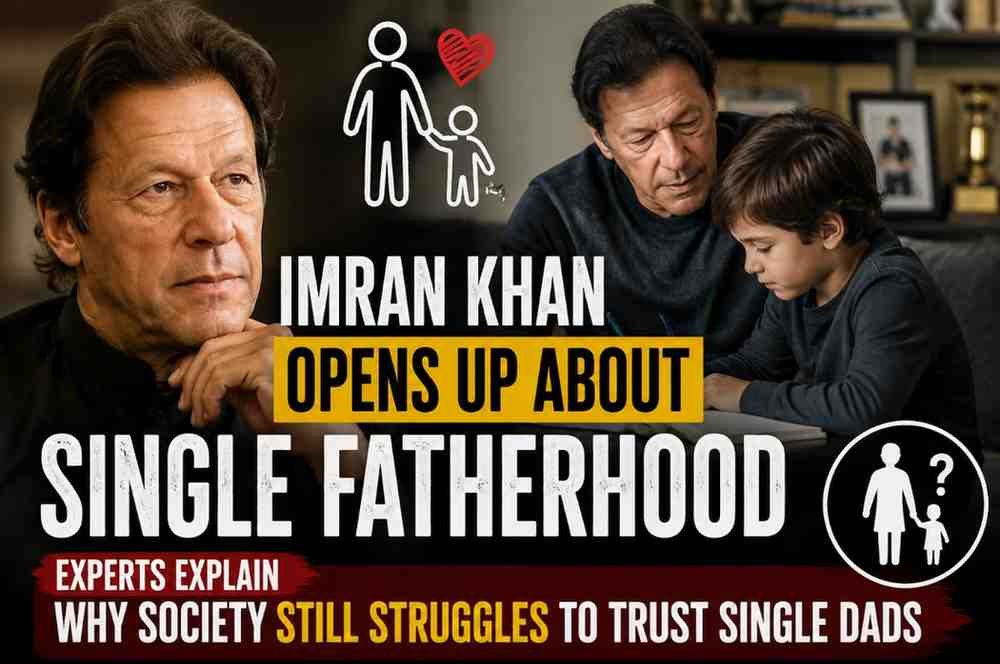
Actor Imran Khan has spoken candidly about an issue many single fathers quietly experience but rarely discuss publicly. Reflecting on life as a single parent, the actor revealed that some parents hesitate to trust him, highlighting the social biases that continue to surround single fatherhood.
His comments have resonated with many men raising children on their own, while also opening up a broader discussion among psychologists and Parenting experts about the assumptions society makes regarding caregiving roles.
Experts say Imran’s experience underscores a reality that often goes unnoticed: despite changing family structures, traditional stereotypes about mothers and fathers continue to shape perceptions of parenting.
Why Imran Khan’s Remarks Matter
Single-parent households are becoming increasingly common across the world, yet public conversations have historically focused on single mothers. Single fathers, meanwhile, often find themselves navigating a unique set of emotional and social challenges.
Imran Khan’s observations bring attention to an issue that many fathers experience privately—being viewed with suspicion or being perceived as less capable caregivers simply because they are men.
Mental Health experts say these assumptions can create feelings of isolation and self-doubt, even among deeply committed parents.
The Persistent Stereotypes Around Fatherhood
For generations, caregiving responsibilities have largely been associated with women. Although these roles are evolving, many cultural expectations remain deeply rooted.
As a result, single fathers may encounter assumptions that:
- Mothers are naturally better caregivers.
- Men are less emotionally nurturing.
- Fathers are less involved in day-to-day parenting.
- Single dads require additional scrutiny.
- Children benefit more from maternal care.
Psychologists emphasize that parenting ability depends on emotional availability, consistency, and support—not gender.
The Emotional Challenges of Single Fatherhood
Single fathers often juggle multiple responsibilities simultaneously, balancing careers, household duties, and parenting.
Common challenges include:
- Managing loneliness and emotional stress.
- Dealing with social stigma.
- Maintaining work-life balance.
- Facing assumptions from schools and communities.
- Building support systems traditionally geared toward mothers.
These pressures can affect mental well-being, making emotional support and social acceptance particularly important.
| Common Stereotypes | Expert Perspective |
|---|---|
| Mothers are better caregivers | Parenting skills are not determined by gender |
| Single fathers are less nurturing | Emotional availability matters more than gender |
| Men struggle with parenting responsibilities | Support and involvement determine outcomes |
| Children need only maternal bonds | Healthy relationships with caregivers matter most |
| Single fathers are unusual | Diverse family structures are increasingly common |
An Overlooked Reality: Fathers Also Need Emotional Support
One aspect often overlooked in parenting discussions is the emotional health of fathers themselves.
Men are frequently expected to remain stoic and self-reliant, which can discourage them from seeking help or expressing vulnerability.
Experts note that single fathers may experience:
- Stress and burnout.
- Anxiety related to parenting decisions.
- Feelings of loneliness.
- Fear of being judged.
- Pressure to appear emotionally strong.
Recognizing these challenges is essential for building healthier support systems for parents of all genders.
How Modern Fatherhood Is Changing
Today’s fathers are increasingly involved in caregiving, education, emotional support, and household responsibilities. Research shows that active father involvement contributes positively to children’s emotional development and social well-being.
Modern parenting models emphasize partnership and flexibility rather than rigid gender roles.
This shift reflects broader changes in how families function and how parenting responsibilities are shared.
Why Trust and Community Matter
Parenting does not happen in isolation. Schools, communities, relatives, and friends all play important roles in creating supportive environments.
Experts recommend:
- Avoiding assumptions based on gender.
- Encouraging inclusive parenting spaces.
- Recognizing fathers as equal caregivers.
- Supporting emotional openness among men.
- Building communities that embrace diverse family structures.
Such changes can help reduce stigma and strengthen families overall.
A Broader Conversation About Parenting, Not Gender
Imran Khan’s comments highlight an important truth: good parenting is not defined by whether someone is a mother or a father. What matters most is love, consistency, emotional connection, and the willingness to show up every day.
As family dynamics continue to evolve, experts believe society must move beyond outdated assumptions and recognize that nurturing, empathy, and responsibility are human qualities—not gender-specific ones.
Conclusion
Imran Khan’s reflections on the social challenges of single fatherhood have brought attention to stereotypes that many fathers continue to face. Experts say his experiences reveal the need for more inclusive attitudes toward parenting and greater recognition of the emotional realities single dads navigate.
Ultimately, children benefit not from traditional labels but from caregivers who provide love, stability, and understanding—qualities that transcend gender and redefine what modern parenthood truly means.
For breaking news and live news updates, like us on Facebook or follow us on Twitter and Instagram. Read more on Latest Lifestyle on thefoxdaily.com.






COMMENTS 0