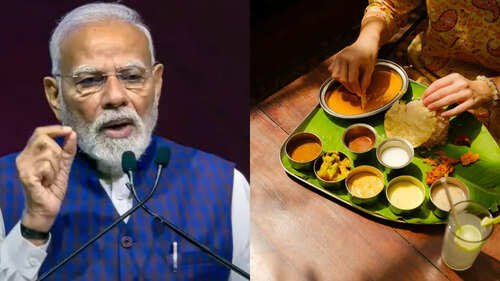
From traditional Indian superfoods to mindful eating, the “Modi Diet and Lifestyle Plan” puts the spotlight on a familiar idea: nutritious food does not have to be complicated
The Modi diet and lifestyle plan has drawn attention after celebrity nutritionist Luke Coutinho and his team developed an elaborate Indian meal concept for Prime Minister Narendra Modi. Called “Shakti Bhojan – The Modi Shakti Thali Experience,” the plan brings together traditional foods, millets, pulses, vegetables, fermented dairy, nuts, seeds and jaggery-based dessert in an eight-course-style meal.
The menu is notable not simply because it was prepared for a high-profile political leader, but because it reflects a broader shift in Indian nutrition: moving away from imported “superfoods” and toward familiar regional ingredients that can provide fibre, plant protein, healthy fats, micronutrients and dietary variety.
However, an important distinction is often lost in viral coverage. The Modi diet and lifestyle plan is not a medically validated universal diet prescription, nor does the published menu establish that every item is consumed daily by the Prime Minister. It is better understood as a curated food and wellness concept inspired by Indian dietary traditions and the nutritional philosophy described by the team behind it.
What is the Modi diet and lifestyle plan?
The Modi diet and lifestyle plan is a nutrition and lifestyle concept developed around Indian foods and traditional wellness practices. The recently highlighted Shakti Bhojan menu is designed as a Sattvic-style meal experience featuring several familiar Gujarati and Indian preparations.
The reported menu includes welcome drinks, a starter, salad, accompaniments, a multi-item main course, dessert, chaas and post-meal mouth fresheners. Rather than relying on exotic ingredients, it uses foods such as bajra, jowar, moong dal, papaya, carrots, peanuts, turmeric, ginger, paneer, brinjal and buttermilk.
That is arguably the most interesting nutritional message behind the menu: the “superfoods” are largely ordinary Indian foods.
What is included in PM Modi’s 8-course Shakti Bhojan?
The reported meal is structured around multiple courses rather than a conventional single plate. Here is what the published menu contains:
| Course | Reported dishes | Nutrition focus |
|---|---|---|
| Welcome drinks | Aam panna and pudina-jaljeera with sabja | Hydration, herbs and seeds |
| Starter | Coriander-paneer khandvi | Protein and fermented gram-based food |
| Salad | Raw papaya and carrot sambariyo | Vegetables, fibre and carotenoids |
| Accompaniments | Peanut chutney with mustard seeds; fresh turmeric and ginger pickle | Healthy fats, spices and plant compounds |
| Main course | Baingan bharta, gavar nu shaak, bajra rotla with white butter, steamed rice or jowar-moong vegetable khichdi, sattu kadhi | Whole grains, pulses, vegetables and protein |
| Dessert | Fada ni lapsi | Broken wheat, nuts, ghee and jaggery |
| Beverage | Jeera chaas | Fermented dairy and hydration |
| Post-meal | Mukhwas and homemade gulkand paan | Traditional digestive mouth fresheners |
1. Welcome drinks: aam panna and pudina-jaljeera
The meal begins with two distinctly Indian beverages: aam panna and pudina-jaljeera containing sabja seeds.
Aam panna is traditionally made using raw mango, while jaljeera commonly combines cumin and other spices with herbs and acidic ingredients. Sabja, or basil seeds, adds texture and fibre.
The important nutritional caveat is that beverages are not automatically healthy simply because they contain traditional ingredients. Added sugar, jaggery and salt can significantly change the nutritional profile. For everyday consumption, portion size and preparation matter as much as the ingredient list.
2. Coriander-paneer khandvi: a protein-rich Indian starter
The starter combines khandvi with coriander and paneer. Khandvi traditionally uses gram flour and yogurt and is prepared into thin rolls.
Adding paneer can increase the protein contribution of the dish, while coriander contributes flavour without requiring large amounts of oil or heavy sauces.
This illustrates one of the strongest ideas in the menu: familiar Indian recipes can be modified to make meals more nutritionally balanced without turning them into highly processed “fitness foods.”
3. Raw papaya and carrot salad brings fibre and colour
The salad course features raw papaya and carrot with a light tempering. Both vegetables contribute fibre and micronutrients, while their bright colours reflect the presence of different plant compounds.
From a broader nutrition perspective, increasing vegetable variety is more meaningful than searching for one miracle ingredient. A diet containing different vegetables, pulses, whole grains, nuts and seeds can provide a wider range of nutrients than a diet built around a small number of fashionable foods.
4. Peanut chutney, turmeric and ginger: small portions, big flavour
The accompaniments include peanut chutney with yellow mustard seeds and a fresh turmeric-and-ginger pickle.
Peanuts provide protein and unsaturated fats, although they are also energy-dense, making portion size relevant. Turmeric and ginger are widely used culinary spices, but their presence in a dish should not be interpreted as proof that the meal can prevent or cure disease.
This distinction matters because social-media discussions around celebrity diets frequently turn ordinary ingredients into exaggerated health claims.
5. The main course is built around Indian staples
The centrepiece of the Shakti Bhojan is arguably the most revealing part of the menu. It combines baingan bharta, gavar nu shaak, bajra rotla, rice or jowar-moong vegetable khichdi, and sattu kadhi.
Baingan bharta
Roasted brinjal forms the base of baingan bharta. Eggplant is naturally low in calories and contributes fibre and several micronutrients. The final nutritional profile, however, depends on how much oil and other ingredients are used during cooking.
Gavar nu shaak
Gawar, or cluster beans, adds another vegetable to the meal. Including multiple vegetables rather than relying on one “healthy” vegetable is a practical way of improving dietary diversity.
Bajra rotla with white butter
Bajra, or pearl millet, is one of the most important ingredients in the menu. It is a whole grain that provides carbohydrates, fibre and minerals.
The rotla is paired with white butter, demonstrating another important principle: healthy eating does not necessarily mean eliminating dietary fat. The key is the amount, the overall dietary pattern and an individual’s health requirements.
Rice or jowar-moong vegetable khichdi
The menu reportedly offers a choice between steamed rice and jowar-moong vegetable khichdi. Jowar, or sorghum, is another traditional millet, while moong dal supplies plant protein.
This combination is particularly relevant to the growing Indian interest in millets. Millets can contribute fibre and micronutrients and are useful additions to a varied diet, but they should not be treated as magical replacements for every other grain.
Sattu kadhi
Sattu, generally made from roasted gram, is another traditional Indian ingredient with a useful nutritional profile. Combining it with yogurt-based kadhi creates a dish that brings together legumes and fermented dairy.
6. Fada ni lapsi shows that dessert can remain part of a balanced pattern
The dessert is fada ni lapsi, a Gujarati preparation made using broken wheat and reported to include ingredients such as ghee, jaggery, nuts, saffron and dried ginger.
Its inclusion is important because a sustainable eating pattern does not necessarily require treating dessert as forbidden. The nutritional question is more nuanced: how frequently is it eaten, how large is the serving, and how does it fit into the rest of the diet?
Jaggery is sometimes marketed as a healthier alternative to sugar, but it remains a concentrated source of sugar. Replacing refined sugar with jaggery does not make a sweet dish calorie-free or suitable in unlimited quantities.
7. Jeera chaas completes the meal
Jeera chaas provides a familiar Indian finish to the main meal. Buttermilk can contribute protein, calcium and fluid, depending on its preparation.
Cumin adds flavour and aroma, but claims that cumin water or chaas can independently “detox” the body or guarantee weight loss go beyond what the menu itself establishes.
8. Mukhwas and homemade gulkand paan
The final element includes traditional mukhwas and homemade gulkand paan, with ingredients such as fennel, roasted coriander, dill seeds and flaxseeds reportedly featuring in the mouth freshener.
There is a useful cultural lesson here. Traditional Indian meals have historically included spices, seeds, herbs and digestive preparations as part of the eating experience. Their presence can add flavour and variety, but traditional use should not automatically be equated with proven medical effects.
What makes the Modi diet plan different from a typical celebrity diet?
Most celebrity diet stories revolve around restriction: fewer carbohydrates, fewer calories, fasting windows, protein shakes or eliminating entire food groups. The reported Modi meal concept takes a different route.
It is built around dietary diversity rather than extreme restriction.
| Typical restrictive diet narrative | Shakti Bhojan approach |
|---|---|
| Focuses heavily on eliminating foods | Focuses on incorporating diverse traditional foods |
| Often depends on packaged fitness products | Uses familiar Indian ingredients |
| Can prioritise calorie counting | Emphasises food quality and variety |
| May be difficult to sustain culturally | Draws from regional Indian cooking traditions |
| Often promotes one-size-fits-all rules | Works better as a food philosophy than a universal prescription |
The biggest insight: this is less about one meal and more about dietary architecture
The most valuable takeaway from the Modi diet and lifestyle plan is not that someone should copy all eight courses onto their dinner table.
Instead, the menu demonstrates a concept nutrition professionals frequently emphasise: health is influenced by the overall dietary pattern rather than a single “superfood.”
Look at the architecture of the meal. It contains vegetables, whole grains, legumes, dairy, nuts and seeds, herbs, spices and fermented foods. There are multiple sources of fibre and plant-based nutrients, while protein comes from foods such as paneer, moong and sattu.
For an ordinary household, the practical version could be far simpler: one vegetable, one pulse or protein source, one whole grain, a small amount of healthy fat and a serving of curd or another suitable dairy alternative.
Can everyone follow the Modi diet and lifestyle plan?
No. A meal created for a particular individual or occasion should not automatically become a universal prescription.
Nutrition requirements differ according to age, sex, body size, physical activity, medical conditions, medications, allergies, food preferences and cultural habits.
For example, people managing diabetes may need to pay particular attention to portions of rice, broken wheat, jaggery and other carbohydrate-rich foods. Someone with kidney disease may require individualised advice about protein, potassium, phosphorus and sodium. People with lactose intolerance may need alternatives to paneer, yogurt and chaas.
That is why the most responsible interpretation of the menu is as an example of a traditional Indian food pattern, rather than a prescription for weight loss, longevity, immunity or disease prevention.
How does this compare with PM Modi’s publicly discussed food habits?
The recently highlighted menu also fits into a longer public conversation about Narendra Modi’s relationship with Indian food and fitness.
In previous public interactions, Modi has spoken about foods including drumstick paratha and has been associated with traditional Indian foods such as khichdi and millet-based meals. During the Fit India Dialogue in 2020, he discussed his preparation of drumstick paratha while interacting with nutritionist Rujuta Diwekar.
He has also publicly spoken about fasting during religious observances. Those practices should be distinguished from the newly reported Shakti Bhojan concept because a fasting routine and a multi-course meal serve very different nutritional purposes.
What can ordinary Indians actually learn from the Modi diet?
The most useful lessons are surprisingly straightforward.
- Prioritise variety: Include different vegetables, pulses, grains, nuts and seeds across the week.
- Use traditional grains: Bajra and jowar can be included alongside rice and wheat according to personal preference and tolerance.
- Keep protein visible: Dal, beans, paneer, curd, nuts, seeds and other suitable protein sources can make meals more satisfying.
- Do not fear all fats: Ghee, butter, peanuts and other fat sources can fit into a balanced diet when portions are appropriate.
- Watch hidden sugar: Jaggery is still a sugar source, even when it comes from a traditional ingredient.
- Choose minimally processed foods more often: Traditional home-cooked meals can make it easier to control ingredients.
- Think beyond individual foods: One turmeric pickle or millet roti cannot compensate for an otherwise poor diet.
Is the Modi diet a weight-loss diet?
There is no sound basis for describing the reported Shakti Bhojan menu as a guaranteed weight-loss diet.
Weight management depends on overall energy intake and expenditure, food composition, physical activity, sleep, stress, medical factors and long-term adherence. Even nutritious foods can contribute substantial calories when consumed in large quantities.
The better lesson is that weight management does not require abandoning Indian cuisine. Portion control, adequate protein, vegetables, whole grains, regular physical activity and sustainable eating habits can all be incorporated into familiar Indian meals.
Does the plan prove that Indian superfoods are better than Western foods?
Not necessarily. The more evidence-based conclusion is that Indian foods can be highly nutritious and deserve greater attention within a balanced diet.
There is no nutritional rule stating that an ingredient becomes superior simply because it is traditional or foreign. What matters is its nutrient composition, preparation method, portion size and place within the overall diet.
The Shakti Bhojan concept is interesting precisely because it challenges the assumption that a “premium” wellness meal must contain imported berries, powders or expensive supplements.
Why the Modi diet story matters beyond one political figure
Celebrity and public-figure diets attract attention because people naturally look for shortcuts. If a successful or famous person eats something, audiences may assume that food contains the secret to their energy, fitness or longevity.
But the deeper opportunity is different. A high-profile meal can help revive interest in regional foods that are already accessible to millions of Indian households.
Bajra rotla, moong dal, vegetables, curd, peanuts and seasonal produce are not luxury ingredients. They are part of India’s existing food heritage. The challenge is not necessarily discovering a new superfood; it is making balanced meals practical, affordable and sustainable in everyday life.
What the Modi diet and lifestyle plan does not tell us
There are several important gaps that readers should keep in mind.
- The reported eight-course menu should not be interpreted as proof of a fixed daily meal schedule.
- The menu does not provide enough information to calculate an individual’s daily calorie or protein requirements.
- It should not be treated as a treatment for any disease.
- The presence of ingredients such as turmeric, ginger, basil seeds or cumin does not establish specific medical benefits.
- A healthy meal can still become nutritionally unbalanced if portions, cooking methods or overall dietary intake are inappropriate.
The future of celebrity nutrition may be less about restriction and more about personalisation
The growing interest in the Modi diet and lifestyle plan points toward a larger trend in nutrition: people are becoming increasingly interested in personalised eating rather than rigid diet labels.
The future is unlikely to belong entirely to keto, vegan, low-carb, fasting or any other single dietary identity. Instead, consumers are likely to look for eating patterns that fit their health needs, culture, budget, schedule and food preferences.
That makes the traditional Indian food approach especially relevant. India already has an enormous library of regional recipes containing grains, pulses, fermented foods, vegetables, spices and healthy fats. The nutritional task is to modernise portions and preparation where necessary without losing the cultural identity of the food.
Conclusion: The real “Modi diet” lesson is balance, not a secret formula
The Modi diet and lifestyle plan, particularly the reported eight-course Shakti Bhojan, offers an interesting look at how traditional Indian foods can be assembled into a contemporary wellness-oriented meal. From bajra and jowar to moong, vegetables, paneer, peanuts, curd, turmeric and ginger, the menu draws heavily from ingredients already familiar across Indian kitchens.
Its biggest lesson, however, should not be that one particular meal can deliver extraordinary health benefits. Rather, it highlights the value of dietary diversity, minimally processed foods, traditional grains, plant foods and sensible portions.
For readers looking to adopt elements of the approach, the simplest strategy is also the most sustainable: build meals around vegetables and pulses, include appropriate whole grains, add a moderate protein source, use fats thoughtfully and keep sweets and highly processed foods occasional.
In other words, the most useful part of the Modi diet story may not be the celebrity association at all. It is the reminder that a nutritious Indian diet does not need to be complicated, expensive or imported. Sometimes, the most modern wellness strategy is simply learning to make better use of the food already on the plate.
Frequently Asked Questions
What is the Modi diet and lifestyle plan?
The Modi diet and lifestyle plan is a wellness and nutrition concept built around traditional Indian foods and lifestyle principles. The recently reported Shakti Bhojan is an eight-course-style meal featuring Indian grains, pulses, vegetables, dairy, nuts, seeds, spices and traditional preparations.
What is the 8-course Modi meal plan?
The reported Shakti Bhojan includes aam panna and pudina-jaljeera, coriander-paneer khandvi, raw papaya-carrot salad, peanut chutney, turmeric-ginger pickle, a main course of traditional Indian dishes, fada ni lapsi, jeera chaas and traditional mouth fresheners.
Is the Modi diet vegetarian?
The reported Shakti Bhojan menu is based on vegetarian Indian foods. It includes paneer, yogurt, moong dal, sattu, vegetables, grains, nuts and seeds.
Does PM Modi eat this 8-course meal every day?
The reported menu should not be interpreted as evidence that Narendra Modi eats all eight courses every day. It was presented as a specially curated meal concept rather than a documented daily food diary.
Is bajra good for health?
Bajra, or pearl millet, is a whole grain that can provide fibre and several nutrients. It can be part of a balanced diet, although its benefits depend on the overall dietary pattern and portion size.
Is jaggery healthier than sugar?
Jaggery is less refined than table sugar and may retain small amounts of minerals, but it remains a concentrated source of sugar. It should therefore be consumed in moderation.
Can the Modi diet help with weight loss?
There is no evidence that the reported menu itself guarantees weight loss. Sustainable weight management depends on total dietary intake, portion sizes, physical activity, sleep, health conditions and long-term adherence.
Can everyone follow the Modi diet?
Not necessarily. Individual nutrition needs vary. People with diabetes, kidney disease, food allergies, digestive conditions or other health concerns should seek personalised advice before making major dietary changes.
Primary keyword: Modi diet and lifestyle plan
LSI keywords: Narendra Modi diet, Modi diet plan, PM Modi food habits, Shakti Bhojan, 8-course meal plan, Luke Coutinho nutrition plan, Indian superfoods, Sattvic diet, millet diet, healthy Indian diet
SEO title: Modi Diet and Lifestyle Plan: PM Modi’s 8-Course Shakti Bhojan Explained
SEO URL: modi-diet-lifestyle-plan-8-course-shakti-bhojan
Important keywords: Modi diet and lifestyle plan, PM Modi diet, Shakti Bhojan, 8-course meal plan, Indian superfoods
Tags: Narendra Modi Diet, Healthy Indian Diet
Key points:
- The reported Shakti Bhojan is an eight-course Indian meal concept created around traditional foods and wellness principles.
- The menu includes bajra, jowar, moong, vegetables, paneer, peanuts, curd, turmeric, ginger and other familiar ingredients.
- The meal should not be mistaken for a medically proven universal diet or a documented daily meal schedule for PM Modi.
- The strongest takeaway is dietary variety and balanced Indian eating rather than a single “secret” food or weight-loss formula.
For breaking news and live news updates, like us on Facebook or follow us on Twitter and Instagram. Read more on Latest Lifestyle on thefoxdaily.com.

COMMENTS 0