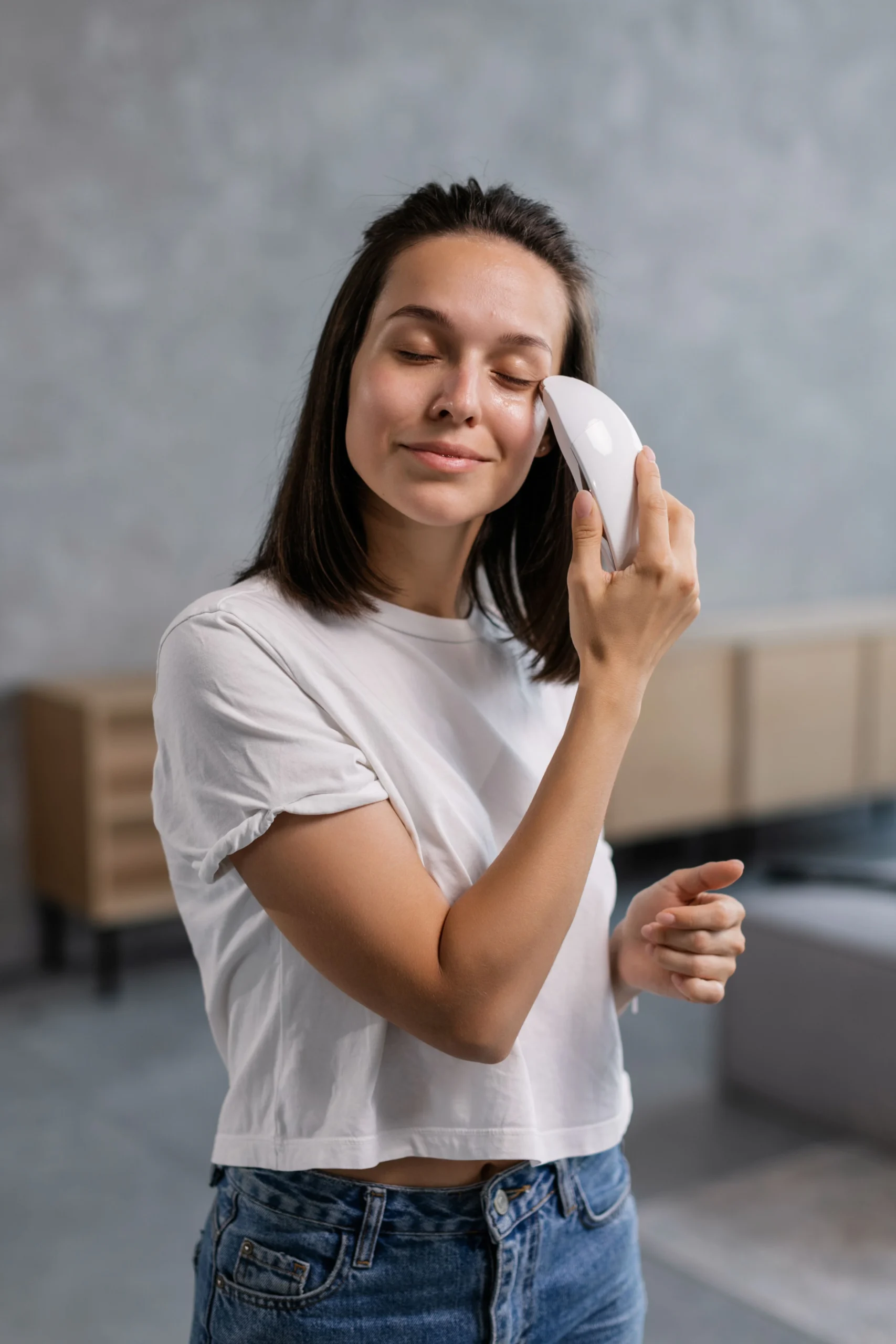
At-home skincare technology has become increasingly popular, with LED face masks and other beauty gadgets promising to improve acne, fine lines, skin texture and signs of ageing. Once largely associated with Dermatology clinics and professional skin treatments, these devices are now available for people who want to incorporate light-based skincare into their daily routines.
But are LED face masks genuinely effective, or are they simply another beauty trend? While some devices offer promising benefits, dermatologists caution that results depend on the technology, wavelength, frequency of use and individual skin concerns. Choosing the wrong device or using it without understanding its limitations may also lead to unwanted effects.
In an interview with HT Lifestyle, Dr Geetika Mittal Gupta, founder and medical director of ISAAC Luxe, explained the potential benefits, limitations and safety precautions associated with at-home LED face masks. Her advice offers useful guidance for anyone considering investing in a skincare gadget.
Are At-Home LED Face Masks and Skincare Devices Worth the Hype?
According to Dr Gupta, the answer is yes, but with important qualifications. At-home skincare devices can support skin maintenance and offer gradual improvements, but they should not be expected to deliver the dramatic or immediate results associated with certain professional dermatological procedures.
LED face masks are non-invasive skincare devices that use specific wavelengths of light to influence cellular activity in the skin. They are designed to work without ultraviolet (UV) radiation, which is associated with skin damage. Different wavelengths target different skin concerns, making the technology useful for people looking for alternatives or additions to conventional skincare routines.
Although these devices were initially developed for clinical environments, technological advances have made them accessible for home use. Their growing popularity reflects the increasing interest in combining traditional skincare products with technology-based treatments.
However, the availability of multiple devices does not mean that every product is suitable for every person. The type of light, its intensity, the device’s quality and the user’s skin condition all influence whether a particular mask is appropriate.
Dr Gupta advises people taking medications that increase photosensitivity, including certain tetracycline antibiotics and topical retinoids, to consult a doctor before using LED devices. Pregnant women should also seek medical advice before starting treatment.
A preliminary patch test is another precaution highlighted by the dermatologist. She recommends a 60-second patch test before incorporating a device into a regular skincare routine. Users should also follow the manufacturer’s instructions and stop using the device if they experience irritation or discomfort.
What Do Different LED Light Colours Do for Your Skin?
One of the most important things to understand before buying an LED face mask is that different light wavelengths have different effects. Red, near-infrared and blue light are commonly used in skincare devices, but they are not interchangeable.
Each wavelength interacts with the skin differently. Understanding these distinctions can help consumers make more informed decisions rather than choosing a mask simply because it offers multiple colours or features.
1. Red Light: Supports Collagen and Skin Firmness
Red light, generally within the 630–660 nanometre range, acts primarily in the upper layers of the skin. According to Dr Gupta, it stimulates fibroblasts, the cells responsible for producing collagen and other components that help maintain skin structure.
Collagen is an important protein that contributes to skin strength, elasticity and firmness. Its production naturally declines with age, which can contribute to fine lines, wrinkles and changes in skin texture.
By stimulating cellular activity associated with collagen production, red-light therapy may help improve the appearance of fine lines and support smoother-looking skin over time. However, the effects are gradual and depend on consistent use and the device’s specifications.
Dr Gupta also cautions that people with pigment-prone skin should avoid red and near-infrared light. Individuals with pigmentation concerns should therefore seek personalised dermatological advice before selecting a device.
2. Near-Infrared Light: Targets Deeper Skin Layers
Near-infrared light typically operates within the 830–850 nanometre range. Unlike visible red light, it can penetrate deeper into the skin, making it relevant to cellular processes involved in tissue repair and skin firmness.
Dr Gupta explains that near-infrared light reaches the mitochondria, the energy-producing structures inside cells. This interaction can stimulate the production of adenosine triphosphate (ATP), which provides energy for various cellular functions.
ATP plays an important role in processes associated with tissue repair and cellular activity. By influencing these mechanisms, near-infrared light may support improvements in skin firmness and the appearance of fine lines over time.
However, deeper penetration does not automatically make a device more effective or suitable for everyone. People with pigmentation-prone skin and those taking photosensitising medication should discuss its use with a dermatologist before starting treatment.
3. Blue Light: Helps Address Acne-Causing Bacteria
Blue light, commonly used at around 415 nanometres, is associated with the management of acne. It targets surface-level skin concerns and can help reduce the activity of bacteria involved in inflammatory acne breakouts.
Unlike treatments that focus primarily on collagen and skin ageing, blue-light therapy is generally used for acne-related concerns. It may be an option for people looking to manage breakouts as part of a broader skincare plan.
However, blue light is not suitable for everyone. Dr Gupta warns that people with melasma or deeper skin tones should avoid this wavelength because it may stimulate melanocytes, the cells responsible for producing melanin, and potentially worsen hyperpigmentation.
This is particularly important for individuals who already experience uneven skin tone or persistent dark patches. Rather than experimenting with different light settings, they should seek advice from a qualified dermatologist to identify an appropriate treatment.
How Often Should You Use an LED Face Mask?
Buying an LED face mask is only the first step. According to Dr Gupta, consistency and correct usage play a major role in determining whether users notice any improvement.
She suggests that an LED mask may be used three to five times a week for approximately 10–20 minutes per session, depending on the user’s skincare goals and the device’s instructions. However, this should not be treated as a universal schedule. Different products have different light intensities, treatment durations and recommended frequencies.
It is important to follow the manufacturer’s instructions and avoid increasing the duration or frequency in the hope of achieving faster results. More exposure does not necessarily translate into better outcomes.
Dr Gupta estimates that visible improvements in concerns such as acne, skin texture and fine lines may take around six to eight weeks. This timeline can vary depending on the skin condition, device quality and consistency of use.
Occasional or irregular use may affect progress. People who use a mask for a few days and then stop for several weeks may not experience the same results as those who follow an appropriate, consistent routine.
Before beginning treatment, consulting a dermatologist can help determine which wavelength is appropriate for a person’s skin type and concerns. This is particularly important for people dealing with melasma, persistent pigmentation, acne or sensitive skin.
Safety Measures to Follow Before Buying an LED Face Mask
With several LED masks and beauty gadgets available in the market, choosing a device requires more than comparing prices, appearance or the number of light settings. Safety, product quality and suitability should be the primary considerations.
Choose a Reliable, FDA-Cleared Device
Dr Gupta advises consumers to prioritise device quality and look for products that are FDA-cleared. A high price does not automatically indicate better performance or safety, while extremely cheap and uncalibrated devices may not deliver reliable results.
Before purchasing, check the product’s intended use, technical specifications, safety information and instructions. Consumers should also verify the device’s regulatory status rather than relying only on marketing claims or promotional descriptions.
It is equally important to understand what a device is designed to treat. A mask marketed for acne may not be appropriate for someone primarily concerned about pigmentation or signs of ageing.
Do Not Ignore Eye Protection
Eye safety is another important consideration when using LED face masks. Although these devices are designed for skincare, the light exposure involved means that users should follow the recommended eye-protection measures.
Dr Gupta particularly highlights the risks associated with near-infrared light. Since this wavelength is invisible to the human eye, it does not trigger the pupil’s natural constriction or blinking reflex in the same way visible light does. Users may therefore not recognise their exposure in the usual manner.
Blue light also requires caution. Its higher energy can contribute to retinal stress and eye strain if the eyes are exposed directly.
To reduce the risk of unwanted exposure, Dr Gupta recommends keeping the eyes gently closed and wearing the protective goggles or built-in eye shields supplied with the device. Users should never assume that closing their eyes alone provides sufficient protection.
LED Face Masks vs Professional Dermatological Treatments
One common misconception about at-home skincare gadgets is that they can replace professional dermatological procedures. While LED masks may offer gradual improvements for certain concerns, their results should not be compared directly with treatments performed in a clinical setting.
At-home devices are generally intended to support ongoing skincare maintenance. Professional procedures, depending on the treatment, may use different technologies, settings or levels of intensity to address specific concerns.
For example, someone experiencing persistent acne, significant pigmentation, deep wrinkles or other skin conditions may require a treatment plan that goes beyond an LED mask. A dermatologist can assess the underlying problem and recommend appropriate options.
LED therapy should therefore be viewed as a possible addition to a skincare routine rather than a guaranteed solution or replacement for medical treatment. It also does not eliminate the need for basic skincare practices such as sun protection, gentle cleansing and moisturising.
Who Should Consult a Dermatologist Before Using Skincare Gadgets?
Although at-home LED devices are designed to be accessible, certain individuals should be especially careful before using them. Dr Gupta specifically highlights people taking photosensitivity medications and pregnant women as groups that should consult a doctor first.
People with melasma, pigmentation-prone skin or deeper skin tones should also seek professional guidance before choosing a light wavelength. This is particularly relevant when considering blue light, which may aggravate pigmentation concerns in some individuals.
Anyone with an existing skin condition, a history of unusual reactions to light or concerns about eye safety should discuss the device with a healthcare professional. A dermatologist can help determine whether the technology is appropriate and explain how to use it safely.
It is also worth remembering that a skincare gadget cannot address every cause of acne, pigmentation or ageing. Skin concerns may have multiple contributing factors, and selecting a treatment without understanding the underlying issue can lead to disappointment or unnecessary exposure.
What to Consider Before Investing in an LED Face Mask
Before spending money on an LED face mask, consumers should evaluate whether the device matches their actual skincare needs. A product with several light settings may appear attractive, but having more features does not necessarily mean it is the right choice.
- Identify your main concern: Decide whether you want to address acne, fine lines, skin texture or another issue before selecting a device.
- Check the wavelength: Understand which light technology the mask uses and whether it is suitable for your skin.
- Verify safety information: Look for FDA clearance, clear instructions and appropriate eye-protection features.
- Consider your medications: Ask a doctor whether any medication you take could increase photosensitivity.
- Set realistic expectations: Understand that improvements may take several weeks and are likely to be gradual.
- Follow the recommended routine: Avoid excessive exposure or using the device more frequently than instructed.
Ultimately, an LED face mask can be a useful skincare tool when selected carefully and used correctly. However, it is not a shortcut to flawless skin. Understanding the technology, recognising its limitations and seeking professional advice when necessary are essential before making it part of a regular routine.
Frequently Asked Questions (FAQs)
1. Are LED face masks effective for skincare?
LED face masks may help address certain skin concerns, including acne, fine lines and skin texture. Their benefits are generally gradual and depend on the wavelength, device quality and consistency of use.
2. How many times a week should you use an LED face mask?
Dr Geetika Mittal Gupta suggests three to five sessions a week, lasting around 10–20 minutes each, depending on the skincare goal. Users should follow the specific instructions supplied with their device.
3. How long does it take to see results from LED light therapy?
Visible improvements in acne, skin texture or fine lines may take approximately six to eight weeks. Results vary depending on individual skin concerns and how consistently the device is used.
4. Which LED light is best for acne?
Blue light, generally around 415 nanometres, is used to target bacteria associated with inflammatory acne breakouts. However, people with melasma or deeper skin tones should consult a dermatologist before using it.
5. Does red LED light help with wrinkles?
Red light within the 630–660 nanometre range may stimulate fibroblasts and support collagen-related activity. With consistent use, it may help improve the appearance of fine lines and skin texture over time.
6. Is near-infrared light safe for the eyes?
Near-infrared light is invisible to the human eye and does not trigger the natural pupil-constriction reflex in the same way visible light does. Users should follow the device’s eye-safety instructions and wear the supplied protective goggles or shields.
7. Can people with melasma use LED face masks?
People with melasma should be cautious, particularly with blue light, which may worsen hyperpigmentation. Dr Gupta also advises people with pigment-prone skin to avoid red and near-infrared light. A dermatologist should guide the choice of treatment.
8. Should pregnant women use LED face masks?
Pregnant women should consult their doctor before using an LED face mask. A healthcare professional can assess whether the device is appropriate and advise on any necessary precautions.
Note to readers: This article is for informational purposes only and is not a substitute for professional medical advice. Always seek the advice of your doctor with any questions about a medical condition or before starting a new skincare treatment.
For breaking news and live news updates, like us on Facebook or follow us on Twitter and Instagram. Read more on Latest Lifestyle on thefoxdaily.com.





COMMENTS 0