Wedding celebrations, festivals and family gatherings often leave households with boxes of mithai waiting to be enjoyed. From barfi and laddoos to peda and kaju katli, traditional Indian Sweets are difficult to resist, particularly when they are readily available at home. But the timing of eating them may matter, especially for people who are trying to manage their blood sugar.
Reaching for a piece of mithai before breakfast might seem like a harmless way to satisfy a craving. However, eating a carbohydrate-rich sweet on an empty stomach can cause blood glucose levels to rise sooner than eating the same portion after a balanced meal. This difference is particularly relevant for people living with diabetes, whose bodies may have difficulty regulating glucose levels.
According to Dr David Chandy, director of endocrinology at Sir H N Reliance Foundation Hospital and Research Centre, Mumbai, the blood sugar response depends on several factors, including the quantity of sweet consumed, its ingredients and an individual’s ability to regulate glucose.
The important takeaway is that sweets do not necessarily need to be eliminated from every diet. Understanding how the body processes carbohydrates, choosing sensible portions and considering the rest of the meal can help people make more informed food choices.
Why eating sweets on an empty stomach can cause an early blood sugar spike
Mithai contains more than just added sugar. Depending on the recipe, ingredients such as milk, flour and semolina also contribute carbohydrates. Once these carbohydrates are digested, they are broken down into glucose, which enters the bloodstream and raises blood sugar levels.
When someone eats a sweet without having other foods first, there is no accompanying meal to influence the rate at which carbohydrates are digested and absorbed. As a result, glucose may enter the bloodstream more quickly than it would after a balanced meal.
Dr Chandy explains that the presence of other nutrients can influence digestion and the body’s glucose response. In people without diabetes, insulin generally helps move glucose from the bloodstream into cells, keeping blood sugar within a healthy range. In diabetes, however, the body either does not produce enough insulin or cannot use it effectively.
This impaired insulin response can make it harder to manage the rise in blood glucose after eating sweets. Consequently, the same portion of mithai may produce different blood sugar responses in different people.
It is also important to understand that an early rise in blood sugar is not determined by sugar content alone. The total carbohydrate content, the quantity eaten and individual metabolic Health all contribute to the response.
Is eating mithai after lunch better than having it before breakfast?
For many people, having a small portion of mithai after a balanced lunch may be a more sensible choice than eating it on an empty stomach. This is because a complete meal contains several nutrients that influence how quickly food moves through the digestive system and how glucose enters the bloodstream.
Dr Chandy highlights the role of fibre, protein and fat in this process. Soluble fibre, found in foods such as pulses and oats, can form a gel-like substance during digestion. This slows digestion and can delay the absorption of glucose.
Protein also influences the digestive process. Foods such as dal, paneer, curd, eggs and fish can delay stomach emptying and stimulate insulin release. Fat can slow stomach emptying as well, affecting the timing of glucose absorption.
These effects help explain why eating a sweet as part of a meal can produce a different glucose response from consuming it alone. The other foods in the meal influence how quickly carbohydrates are processed.
However, eating mithai after lunch does not automatically make it harmless. If lunch already contains large portions of rice, roti or potatoes, adding a sweet increases the total carbohydrate content of the meal. People with diabetes need to consider the entire meal rather than assuming that dessert timing alone will prevent a glucose spike.
Does eating vegetables and protein before carbohydrates help?
The order in which foods are eaten may also influence post-meal blood sugar levels. Starting a meal with fibre-rich vegetables and a source of protein before eating carbohydrate-rich foods may help moderate the rise in glucose after eating.
Vegetables provide dietary fibre, which can slow digestion and influence the absorption of carbohydrates consumed later in the meal. Protein-rich foods can also affect stomach emptying and the body’s insulin response.
For an Indian meal, this approach could mean beginning with a serving of vegetables or salad, followed by dal, curd or paneer, before eating rice or roti. A small portion of mithai can then be considered as part of the overall meal, depending on individual dietary requirements.
However, food order is not a substitute for portion control or an appropriate Diabetes Management plan. The total quantity of carbohydrates consumed remains important. Someone who eats a large serving of rice, several rotis and a sweet may still experience a significant rise in blood glucose, even if the meal includes vegetables and protein.
Do ghee, nuts and khoya reduce the sugar spike in mithai?
Traditional Indian sweets often contain ingredients such as ghee, nuts and khoya. These ingredients contribute to their rich texture and flavour, but they can also influence how the body processes a sweet after consumption.
Ghee and nuts contain fat, while khoya also contributes fat and other nutrients. Fat can slow stomach emptying and delay the digestion and absorption of carbohydrates. This may shift the timing of the blood glucose peak, meaning that blood sugar could rise later rather than immediately after eating.
However, a delayed glucose peak should not be confused with a reduction in the sweet’s overall carbohydrate content.
Dr Chandy cautions that ghee, nuts and khoya can delay the glucose peak but do not remove the carbohydrates or calories present in mithai. A rich sweet may therefore produce a later rise in blood sugar rather than eliminating the rise altogether.
This distinction is particularly important for people who use insulin. A delayed glucose response can make it harder to match the timing of insulin action with the absorption of carbohydrates. People using insulin should therefore follow their prescribed treatment plan rather than trying to manage blood sugar by choosing sweets with more ghee or fat.
Adding extra ghee to a sweet is not a reliable way to make it suitable for people with diabetes. It may increase the fat and calorie content without reducing the total carbohydrate load.
How people with diabetes can include mithai in their diet
A diabetes diagnosis does not necessarily mean giving up every traditional sweet. However, people with diabetes need to account for mithai as part of their overall carbohydrate intake rather than treating it as an additional food that does not affect their meal plan.
Dr Chandy advises people with diabetes to consider carbohydrates from all ingredients, not just the sugar added to a recipe. Flour, semolina and milk can also contribute to the total carbohydrate content of a sweet.
Checking the carbohydrate information per serving, where available, can help people estimate how much they are consuming. Portion size is equally important because even a small-looking piece of mithai may contain a substantial amount of carbohydrates, depending on its ingredients and preparation.
One approach suggested by the endocrinologist is to account for the sweet by replacing part of the meal’s usual carbohydrate portion. For example, someone might reduce some of the rice or roti they would otherwise eat to make room for a small serving of mithai. This does not mean removing both rice and roti automatically or skipping nutritious foods to accommodate dessert.
Vegetables and protein sources can still remain part of the meal. The aim is to manage the overall carbohydrate intake while maintaining a balanced diet.
Practical ways to manage sweet consumption
- Choose a smaller portion: Enjoying a modest serving can help limit the total amount of carbohydrates and calories consumed.
- Consider the whole meal: Account for carbohydrates from rice, roti, potatoes, dal, milk-based foods and mithai rather than focusing only on added sugar.
- Prefer a balanced meal: Include fibre-rich vegetables and appropriate protein sources such as dal, paneer, curd, eggs or fish.
- Check serving information: When nutritional details are available, look at total carbohydrates per serving rather than relying only on the sweet’s sugar content.
- Follow individual medical advice: People taking insulin or other diabetes medicines should follow their prescribed meal and medication plans.
- Avoid using fat as a workaround: Sweets containing more ghee or nuts are not automatically better choices for blood sugar management.
Why portion size matters more than simply changing the timing
It is tempting to look for a simple rule that makes sweets safer, such as eating them only after lunch or choosing varieties containing more nuts and ghee. But blood glucose management is more complicated than following a particular eating schedule.
The timing of a sweet can influence how quickly glucose enters the bloodstream, but the total amount of carbohydrates consumed remains a major consideration. A small portion after a balanced meal may produce a more gradual glucose response than the same sweet eaten alone. A large serving, however, can still add a considerable carbohydrate load.
Individual responses also vary. Factors such as insulin sensitivity, diabetes control, medication, physical activity and the composition of the meal can affect blood glucose levels. Two people eating the same sweet may not experience identical glucose responses.
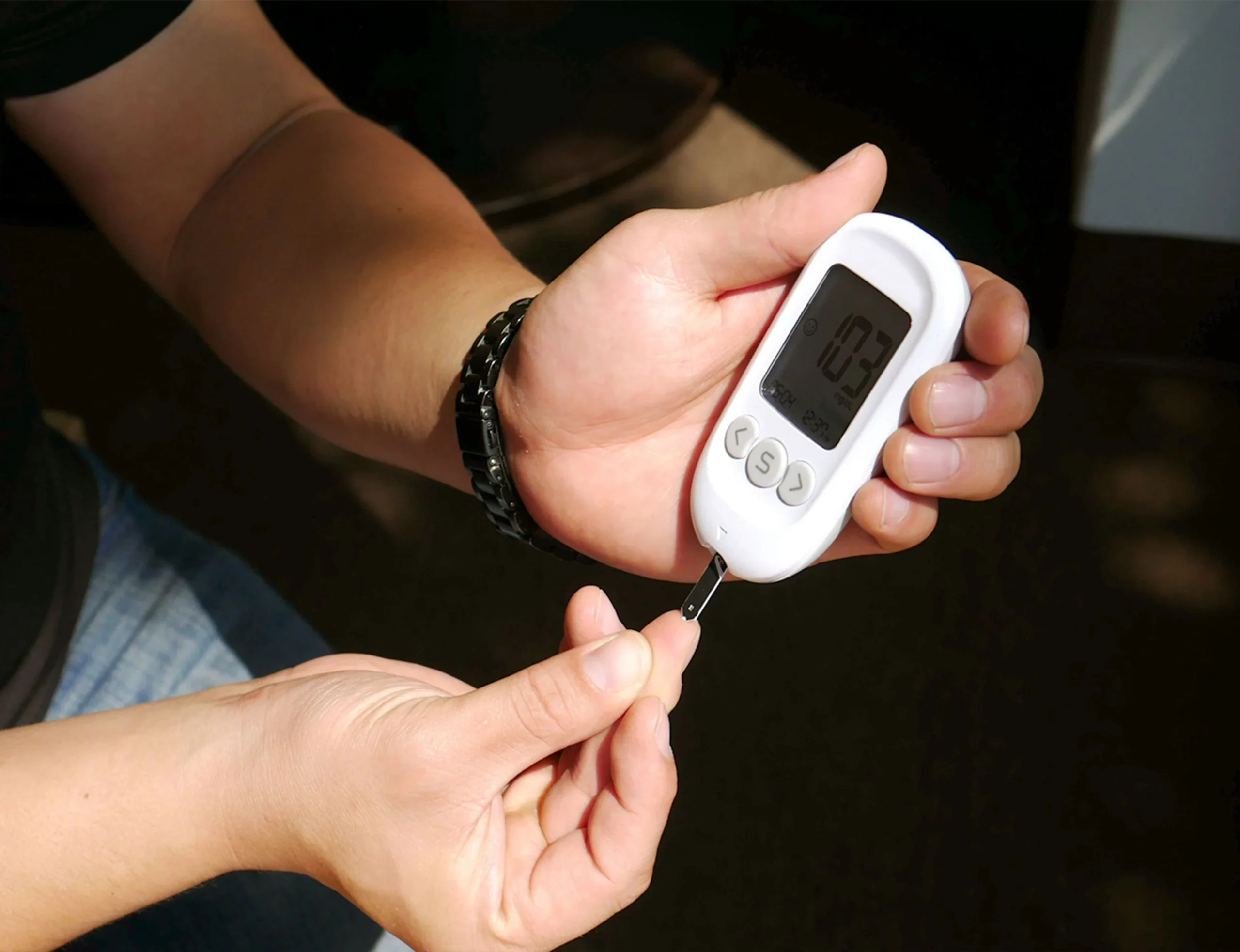
People who monitor their blood sugar can discuss their readings and eating patterns with their healthcare team to understand how particular foods affect them. This can be more useful than relying on general assumptions about which sweets or meal timings are best.
Can people without diabetes also benefit from mindful sweet consumption?
Although the advice is particularly relevant to people with diabetes, paying attention to sweet consumption can also be useful for people without a diagnosed blood sugar disorder.
The body normally releases insulin after carbohydrate-containing foods are consumed. This helps regulate glucose in the bloodstream. However, regularly eating large portions of sweets can increase overall sugar and calorie intake, particularly when mithai is added to meals that are already carbohydrate-heavy.
Having sweets occasionally, choosing moderate portions and maintaining balanced meals are sensible habits for general dietary health. There is no need to assume that every rise in blood glucose after eating is harmful. Blood sugar naturally increases after meals, and the body’s ability to regulate that response is an important part of normal metabolism.
People with risk factors for diabetes or concerns about their blood glucose can speak with a healthcare professional about appropriate testing and lifestyle measures.
The bottom line: A small sweet after a balanced meal may be a better choice
Eating mithai after a balanced lunch may lead to a slower or smaller rise in blood sugar than consuming it on an empty stomach. Fibre, protein and fat in the accompanying meal can influence digestion and delay glucose absorption. However, this does not make sweets carbohydrate-free or remove the need to watch portion sizes.
For people with diabetes, the most important consideration is the total carbohydrate content of the meal. A small serving of mithai may be included by adjusting other carbohydrate portions where appropriate, while retaining vegetables and protein. Those using insulin should also be aware that sweets containing more fat may cause a delayed glucose peak.
Ultimately, enjoying traditional sweets does not have to mean ignoring blood sugar management. A smaller portion, a balanced meal and an understanding of individual dietary needs offer a more reliable approach than depending on timing alone.
Note to readers: This article is for informational purposes only and is not a substitute for professional medical advice. People with diabetes or other health concerns should consult their doctor or registered dietitian before making changes to their diet or medication routine.
For breaking news and live news updates, like us on Facebook or follow us on Twitter and Instagram. Read more on Latest Lifestyle on thefoxdaily.com.






COMMENTS 0