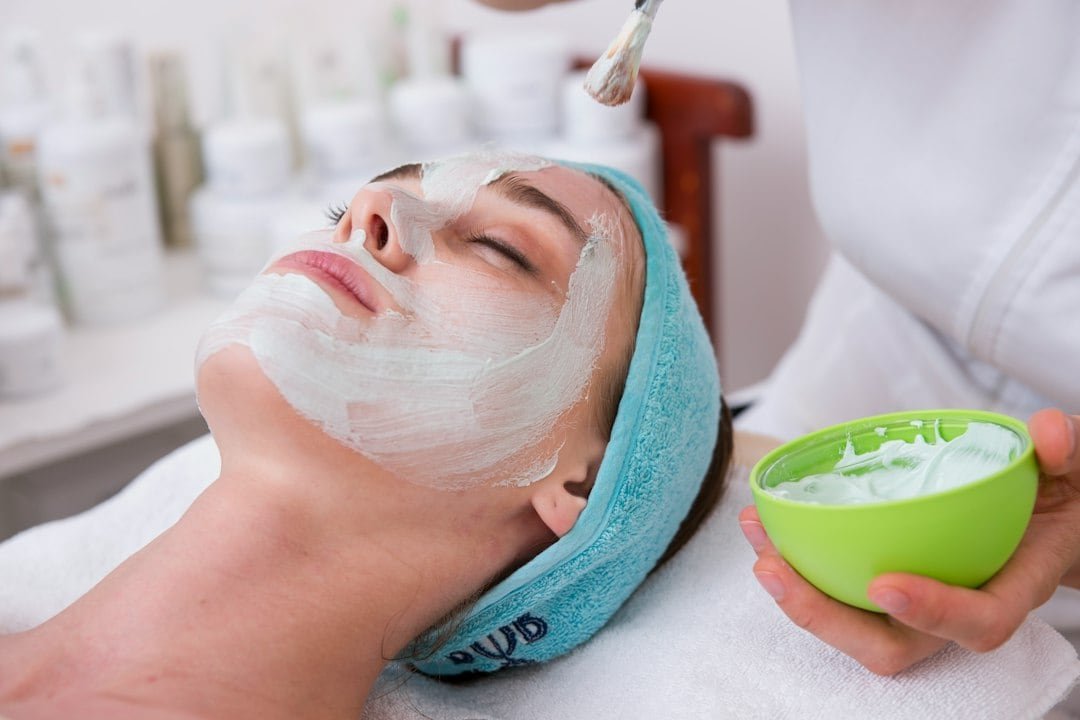
Diwali brings a packed calendar of family gatherings, festive parties, photographs and celebrations, making it a popular time to refresh Skincare routines. For people dealing with dullness, dehydration, dark spots, uneven skin tone or acne marks, professional facials and dermatological treatments may offer ways to improve the skin’s appearance. However, choosing the right procedure is more important than trying to achieve dramatic results in a few days.
The growing range of skincare treatments can make it tempting to book a trending facial, chemical peel or laser session just before a festive event. Yet different skin concerns require different approaches, and a procedure that works well for one person may cause irritation or worsen pigmentation in another.
Dr Akriti Gupta, founder and chief dermatologist at Jivisha Clinic in New Delhi, emphasises the importance of understanding individual skin needs before choosing a treatment. The aim of festive skincare should be to improve skin health and appearance without triggering avoidable inflammation, sensitivity or post-treatment complications.
For anyone planning a pre-Diwali skincare appointment, understanding what each treatment can realistically achieve, how long recovery may take and which precautions matter most can help prevent disappointing results.
Hydrating Facials for Dullness and Dehydrated Skin
A hydrating facial may be a suitable starting point for people whose skin looks temporarily dull, feels tight or appears less smooth because of dehydration. These treatments typically focus on cleansing, moisturising and improving the skin’s surface hydration, helping it look fresher and feel more comfortable.
Dehydrated skin lacks sufficient water in its outer layers, whereas dry skin is generally associated with reduced oil or lipid content. The two conditions can overlap, but they are not identical. Skin may feel dehydrated even when it produces considerable oil, which is why selecting products based solely on whether the skin appears oily or dry can be misleading.
Professional facials may combine cleansing, moisturising products and gentle exfoliation. Some treatments also use specialised equipment to support hydration or remove surface debris. Their suitability depends on the formulation, the technique used and the individual’s skin condition.
However, a facial is not a universal solution for every complexion concern. Aggressive scrubbing, forceful extractions, unfamiliar products and strong exfoliating ingredients can irritate sensitive or acne-prone skin.
Who Can Benefit From a Hydrating Facial?
People experiencing mild dryness, temporary dullness or a rough surface texture may find a gentle, professionally selected facial helpful. Those preparing for an event within a short period may prefer a treatment they have previously tolerated well rather than experimenting with an unfamiliar procedure.
People with inflamed acne, eczema, rosacea or a compromised skin barrier should discuss these concerns with a qualified professional before booking a facial. Certain techniques and ingredients may aggravate existing inflammation.
It is also important to have realistic expectations. A hydrating facial may temporarily improve the appearance of fine dehydration lines and surface texture, but it will not necessarily remove persistent pigmentation, treat the underlying causes of acne or significantly improve deep acne scars.
Pre-Diwali tip: If the celebration is only a few days away, prioritise comfort and hydration over aggressive exfoliation. A calmer, well-moisturised complexion is preferable to irritated skin recovering from an unsuitable treatment.
Chemical Peels for Dark Spots, Acne Marks and Uneven Texture
Chemical peels are professional exfoliating treatments that use carefully selected acids to loosen the connections between dead skin cells and encourage their removal. Depending on the formulation and depth, they may help improve certain types of superficial pigmentation, uneven tone, rough texture and acne-related marks.
Unlike a conventional facial, a chemical peel deliberately produces a controlled degree of exfoliation. The strength of the formulation, its ingredients, contact time and the individual’s skin response all influence the treatment’s effects and recovery requirements.
Common peeling agents include alpha-hydroxy acids, such as glycolic and lactic acid, and beta-hydroxy acids, such as salicylic acid. These ingredients have different properties and may be selected for different concerns. Their suitability depends on the diagnosis, skin sensitivity and the professional’s assessment rather than on a product’s popularity.
Why Darker Indian Skin Tones Need Careful Assessment
People with darker skin tones can be more susceptible to post-inflammatory hyperpigmentation, in which inflammation or injury leaves areas of skin darker than the surrounding complexion. This can occur after acne, irritation, burns or certain cosmetic procedures.
Consequently, a peel that causes excessive inflammation may leave behind additional pigmentation instead of delivering the desired improvement. The risk varies according to the individual’s skin characteristics, the condition being treated and the procedure selected.
Dr Gupta highlights that stronger peels are not automatically more effective or more appropriate. A dermatologist should assess the skin, discuss possible side effects and explain the likely recovery period before treatment begins.
Anyone considering a chemical peel should also understand that results are not always immediate. Temporary redness, dryness, flaking, sensitivity or visible peeling may occur, depending on the treatment. Some concerns require multiple sessions, while others may respond better to a different approach.
When Should You Avoid a Last-Minute Chemical Peel?
Aggressive exfoliation shortly before Diwali can be counterproductive because the skin may still be red, sensitive or visibly peeling on the day of an event. Sun exposure during recovery can also complicate pigmentation management, particularly if the skin becomes inflamed.
People with a history of pigmentation after irritation, active skin inflammation or previous reactions to exfoliating products should discuss these issues before undergoing a peel. A qualified dermatologist can help determine whether the expected benefits justify the risks.
For first-time patients, the safest strategy is to arrange a consultation well before the festivities rather than choosing a peel based on how quickly it promises to deliver results.
Laser and Light Treatments for Pigmentation and Acne Scars
Laser and other light-based procedures can be useful for selected skin concerns, including certain pigmentation conditions, redness, unwanted hair and some forms of acne scarring. However, these treatments differ considerably in how they work, the conditions they target and the recovery they require.
Some devices target pigment, while others are designed to affect blood vessels, hair follicles or structures involved in skin remodelling. The term “laser treatment” therefore covers a broad category of procedures rather than a single solution for every complexion concern.
For people dealing with dark spots, the first step is to establish what is causing the pigmentation. Post-acne marks, sun-related spots and melasma may appear similar at first glance, but they do not necessarily respond to the same treatment.
Why Melasma Requires Special Attention
Melasma is a pigmentation condition that commonly affects the face and can be influenced by factors including sunlight and hormonal changes. It may appear as brown or grey-brown patches, often across the cheeks, forehead or upper lip.
Although some light-based procedures may be considered for selected cases, melasma can be difficult to manage and may recur. Heat, inflammation or an unsuitable treatment may aggravate pigmentation in some individuals.
For this reason, laser treatment should not be chosen simply because dark patches are visible. A dermatologist needs to assess the likely cause of the pigmentation and consider whether topical treatment, sun protection or a combination of approaches would be more appropriate.
Can Laser Treatments Improve Acne Scars?
Some laser procedures can help improve selected types of acne scarring and uneven skin texture. However, acne scars vary in depth and shape, and the appropriate treatment depends on the scar type, skin characteristics and the presence of active acne.
Not every dark mark left after a pimple is a scar. Flat brown marks may represent post-inflammatory hyperpigmentation, while depressed or raised areas involve changes in the skin’s structure. Treating these concerns as though they were identical can lead to unrealistic expectations.
Laser procedures may involve temporary redness, swelling, sensitivity or crusting, depending on the technology and treatment intensity. Some require multiple sessions, and the full improvement may develop gradually rather than appearing immediately.
Before booking: Ask the dermatologist which specific condition the procedure is intended to treat, what improvement is realistic, how many sessions may be required and how much recovery time to allow.
How Early Should You Start Your Diwali Skincare Treatments?
Timing is one of the most overlooked aspects of festive skincare. A treatment that is appropriate several weeks before an event may be unsuitable when only a few days remain.
Dr Gupta recommends planning ahead, particularly for people considering a chemical peel or laser procedure for the first time. Starting early allows time for a consultation, assessment of skin sensitivity, treatment planning and recovery.
There is no single timeline that applies to every facial or dermatological procedure. Recovery depends on the treatment, its intensity, the individual’s skin condition and the way the skin responds.
The following guide can help with planning, although it should not replace the recovery instructions provided by the treating professional.
Several Weeks Before Diwali
This is generally the more practical period for consulting a dermatologist about persistent pigmentation, acne scars or other concerns that may require a course of treatment. It also allows time to discuss the possible risks of procedures that can cause visible peeling, redness or sensitivity.
For first-time patients, a consultation should ideally take place before committing to an intensive treatment. The dermatologist can assess whether the proposed procedure is suitable and whether a less aggressive approach would be more appropriate.
One to Two Weeks Before the Celebration
At this stage, avoid assuming that a stronger procedure will deliver better results simply because the event is approaching. Depending on the treatment, redness, dryness, swelling or peeling may persist beyond the day of the appointment.
If a procedure has already been recommended and planned by a dermatologist, follow the agreed schedule and aftercare instructions. Avoid adding extra treatments without checking whether they are compatible with the existing plan.
Just a Few Days Before Diwali
When time is limited, familiar and gentle skincare is generally a more cautious choice than a first-time peel, intensive exfoliation or unfamiliar laser procedure.
Use products that your skin already tolerates, avoid harsh scrubs and do not introduce several active ingredients at once. If a facial is being considered, inform the provider about any history of sensitivity, acne, pigmentation or reactions to skincare products.
The key principle is straightforward: the closer the event, the less opportunity there is to manage an unexpected reaction before photographs and celebrations begin.
Build a Simple Skincare Routine for a Healthy Festive Glow
Professional treatments can form part of a skincare plan, but everyday habits remain important for maintaining skin comfort and supporting improvements over time.
A complicated routine is not necessarily more effective than a consistent one. Introducing several new products alongside a professional treatment can make irritation more likely and make it difficult to identify which ingredient caused a reaction.
Cleanse Without Overwashing
Use a gentle cleanser suited to your skin type and avoid repeatedly washing the face in an attempt to remove oil or improve brightness. Excessive cleansing and harsh scrubbing can disrupt the skin barrier, contributing to dryness, tightness and irritation.
Moisturise Regularly
A suitable moisturiser helps reduce water loss from the skin and supports the barrier that protects it from environmental irritation. People with oily skin can still benefit from moisturising, although the preferred texture may differ from that used by someone with very dry skin.
If the skin is already irritated after a treatment, follow the professional’s advice about which moisturising products are appropriate.
Make Sunscreen a Daily Habit
Sun protection is especially important when managing pigmentation. Ultraviolet exposure can worsen several types of dark spots, while visible light may also contribute to pigmentation in some people, particularly those prone to melasma.
Choose a broad-spectrum sunscreen appropriate for your skin and use it according to the product instructions. Reapply as directed, especially when spending extended periods outdoors. Protective clothing and shade can provide additional support.
Sunscreen is not an instant brightening treatment, but consistent protection can help prevent existing pigmentation from becoming more pronounced and support the results of an appropriate treatment plan.
Avoid Harsh Home Remedies
Applying lemon juice, abrasive scrubs or undiluted household ingredients to the face can irritate the skin. Irritation may lead to additional pigmentation, particularly in people who are prone to post-inflammatory dark marks.
Similarly, using multiple exfoliating acids or strong active ingredients in quick succession can compromise the skin barrier. A new product should not be introduced simply because it is being promoted as a shortcut to a festive glow.
Common Pre-Diwali Skincare Mistakes to Avoid
Trying to address every skin concern at once can make a skincare plan more complicated than necessary. Several common mistakes are worth avoiding when preparing for an important event.
- Choosing a treatment based on social media trends: A popular facial or laser procedure may not suit your skin condition or pigmentation pattern.
- Expecting immediate results: Persistent pigmentation and structural acne scars may require a longer treatment plan rather than a single appointment.
- Combining too many treatments: Multiple new procedures and active ingredients can increase irritation and make it difficult to identify the cause of a reaction.
- Ignoring recovery time: Redness, swelling, flaking and sensitivity may remain visible after some treatments.
- Skipping sunscreen: Sun exposure can undermine efforts to manage pigmentation and may increase the risk of further darkening.
- Using unsuitable home remedies: Harsh ingredients can irritate the skin and potentially leave additional marks.
- Ignoring existing skin conditions: Active acne, eczema, rosacea and other inflammatory problems may require specific management before a cosmetic procedure is considered.
These precautions are particularly relevant for people with darker Indian skin tones, where inflammation can sometimes result in persistent pigmentation. A personalised assessment helps balance the potential benefits of treatment against the possibility of irritation or unwanted colour changes.
How to Choose the Right Treatment for Your Skin Concern
The most useful starting point is to identify the problem you want to address rather than choosing a procedure first.
- Temporary dullness or dehydration: Consider a gentle hydrating facial and a consistent moisturising routine.
- Rough surface texture or selected superficial marks: Discuss whether a professionally selected chemical peel is appropriate.
- Persistent dark spots: Seek an assessment to distinguish among post-acne pigmentation, sun-related spots and conditions such as melasma.
- Depressed or raised acne scars: Ask a dermatologist about treatments suited to the specific type of scarring.
- Sensitive, inflamed or easily irritated skin: Prioritise identifying and managing the underlying condition before pursuing aggressive cosmetic treatments.
These are starting points, not treatment recommendations for an individual diagnosis. A dermatologist may suggest a different approach depending on the person’s medical history, skin examination, previous treatments and expected recovery period.
The Bottom Line: Prioritise Skin Health Over Last-Minute Results
Preparing your skin for Diwali does not require a packed schedule of facials, peels and laser sessions. The more useful approach is to identify the concern that matters most, understand which treatments may help and allow enough time for the skin to recover.
Hydrating facials may temporarily improve dryness and dullness, while chemical peels and selected laser procedures can help with certain pigmentation and texture concerns when appropriately chosen. None offers a universal solution, and more intensive treatment does not automatically mean better results.
Dr Gupta’s advice highlights the importance of personalisation, careful timing and avoiding the temptation to combine multiple unfamiliar procedures. Gentle cleansing, suitable moisturising, consistent sun protection and professional guidance remain valuable whether or not a cosmetic treatment is part of the plan.
Ultimately, a festive glow should not come at the expense of skin comfort. Starting early, setting realistic expectations and choosing treatments according to individual needs can help reduce unnecessary risks while supporting a healthier-looking complexion.
Medical disclaimer: This article is for informational purposes only and is not a substitute for professional medical advice, diagnosis or treatment. Consult a qualified dermatologist before undergoing cosmetic skin procedures, particularly if you have a history of skin sensitivity, pigmentation or inflammatory skin conditions.
For breaking news and live news updates, like us on Facebook or follow us on Twitter and Instagram. Read more on Latest Lifestyle on thefoxdaily.com.






COMMENTS 0