You Don’t Need to Quit Rice: Nutritionist Shares Kitchen Swaps for Weight Loss and Blood Sugar Control
From reducing sugar in chai to balancing rice with dal and vegetables, practical changes to everyday Indian meals can support weight management and metabolic health without expensive ingredients or restrictive diets.
Weight loss advice often makes familiar Indian foods sound like the problem. Rice is labelled unhealthy, jaggery is promoted as a natural replacement for sugar, millets are treated as a solution for Blood Sugar Control and cold-pressed oils are marketed as essential for better health. Yet, the nutritional value of a meal depends on more than one ingredient. Portion size, preparation methods, food combinations and overall eating habits all influence its impact on the body.
For people managing weight, diabetes risk, insulin resistance or polycystic ovary syndrome (PCOS), this distinction matters. Completely eliminating rice or spending more on speciality oils may not be necessary. In many cases, adjusting everyday portions and improving the balance of meals can be a more realistic approach.
In an edition of HT Health Talk, Aditi Prasad Apte, senior clinical nutritionist at Aster RV Hospital, Bengaluru, addresses common questions about Indian kitchen staples. Her recommendations focus on practical food swaps, including how to use jaggery, rice, wheat, millets, cooking oils and traditional snacks without relying on extreme dietary restrictions.
Why Food Swaps Matter More Than Following Diet Trends
Popular diet trends often promote individual foods as either completely healthy or harmful. However, nutrition does not work in such simple categories. A food’s effect depends on how much a person eats, how frequently it is consumed and what else is included in the meal.
For example, rice is a source of carbohydrates, but that does not make it unsuitable for everyone trying to lose weight. Similarly, millets contain fibre and useful nutrients, but large portions can still contribute to a high carbohydrate intake.
The same principle applies to cooking oils and natural sweeteners. A cold-pressed oil is not automatically low-calorie, while jaggery is not a sugar-free alternative. Replacing one ingredient without changing the overall eating pattern may produce little improvement.
A sustainable food strategy focuses on three priorities:
- Portion awareness: Eating appropriate quantities according to individual energy needs and activity levels.
- Meal balance: Combining carbohydrates with protein and fibre-rich foods.
- Consistency: Choosing habits that can be maintained during ordinary working days, family meals and festivals.
This approach is particularly relevant for people with PCOS, insulin resistance or diabetes, who may need to pay closer attention to carbohydrate intake and overall metabolic health.
1. Is Jaggery Better Than Sugar for Blood Sugar Control?
Jaggery is frequently described as a healthier sweetener because it is less refined than white sugar and contains small quantities of minerals. This reputation can create the impression that adding jaggery to tea, sweets or desserts is a harmless way to reduce sugar consumption.
However, jaggery still contains a high proportion of carbohydrates and can raise blood glucose levels. From a blood sugar management perspective, it should not be treated as a free or unlimited alternative to regular sugar.
The small amounts of minerals in jaggery do not cancel out its carbohydrate content. Replacing white sugar with an equivalent amount of jaggery may therefore make little difference to the overall sugar load of a person’s diet.
For people with diabetes, insulin resistance or PCOS, the more useful strategy is to reduce total added sugar rather than simply change its source.
What is a practical kitchen swap?
Instead of switching between different sweeteners, gradually reduce the amount of sugar or jaggery added to chai. People who are accustomed to very sweet tea can decrease the quantity in small steps, allowing their taste preferences to adjust over time.
The same principle applies to homemade sweets and desserts. Smaller servings and less frequent consumption are generally more useful than assuming that a natural sweetener makes a dessert suitable for unrestricted eating.
2. Should You Replace Rice With Millets for Better Blood Sugar Control?
Rice is a familiar part of meals across India, and many people find it difficult to remove it from their regular diet. The popularity of millet-based eating plans has encouraged some households to replace rice entirely, particularly when trying to manage blood sugar or lose weight.
But a complete switch is not essential for everyone. Apte explains that reducing the quantity of white rice and combining it with adequate portions of dal, vegetables and protein sources can be a practical way to improve meal balance.
Millets offer dietary fibre and other nutrients, but their effect on blood glucose varies according to the variety, processing method, preparation and portion size. Eating a large serving of millet does not automatically guarantee better blood sugar control.
White rice and millets are both carbohydrate-containing foods. Their nutritional differences matter, but the quantity eaten and the composition of the complete meal also influence the body’s glucose response.
How to balance a rice-based meal
Rather than treating rice as something that must disappear from the plate, consider changing the proportions of the meal.
- Keep the rice serving moderate instead of filling most of the plate with it.
- Add dal, beans, curd, paneer or another suitable protein source.
- Include a generous variety of cooked or raw vegetables.
- Avoid making the meal unnecessarily heavy with fried side dishes.
This combination can improve the nutritional balance of a traditional meal without requiring people to abandon familiar foods. The same approach can be followed when eating millet, roti or other grain-based dishes.
3. How Many Rotis Should You Eat in One Meal?
There is no single roti limit that works for every adult. The appropriate quantity depends on factors such as body weight, daily energy requirements, activity levels, health conditions and the rest of the meal.
For many adults, one or two medium-sized whole-wheat rotis can serve as a reasonable starting portion, provided the meal also contains dal, vegetables, curd or another protein-rich food. However, this is not a universal prescription. People with specific dietary requirements may need different portions.
Whole wheat generally contains more fibre than refined flour. Fibre supports digestive health and can contribute to a feeling of fullness. This may help people manage hunger between meals.
However, whole-wheat roti is still a carbohydrate-rich food. Eating unlimited quantities because it is made from whole grains can still increase overall calorie and carbohydrate intake.
What should accompany roti?
A meal consisting only of rotis and a small quantity of gravy may not provide the same nutritional balance as one that includes protein and vegetables.
Pairing rotis with dal, curd, paneer, eggs or other suitable protein sources, along with fibre-rich vegetables, can make the meal more satisfying. The objective is not simply to reduce the number of rotis but to ensure that the meal provides a broader range of nutrients.
4. Are Cold-Pressed Oils Really Better for Weight Loss and Cholesterol?
Cold-pressed oils are often promoted as premium cooking ingredients, with marketing claims suggesting that they are automatically healthier than conventional oils. While processing methods and fatty acid composition can influence the nutritional characteristics of an oil, cold-pressed does not mean calorie-free or suitable for unlimited use.
Apte explains that the nutritional value of an oil depends on its source, fatty acid composition, processing and cooking method. Oils containing more unsaturated fats, such as groundnut, mustard and sesame oil, can be useful choices within a balanced diet.
However, all cooking oils are energy-dense. Using excessive quantities can increase the calorie content of meals and make Weight Management more difficult.
For people with PCOS, insulin resistance or high cholesterol, the priority should be choosing appropriate fat sources, controlling total oil consumption and limiting frequent deep-fried foods.
Which oil-related habits deserve attention?
- Measure cooking oil instead of pouring it freely into the pan.
- Use deep-fried foods less frequently.
- Choose oils based on their nutritional composition, cooking requirements and affordability.
- Avoid assuming that expensive speciality oils automatically produce better health outcomes.
Buying a costly cold-pressed oil is not a substitute for managing overall dietary fat intake. The quantity used across the day matters considerably.
5. Are Millets Good for PCOS?
Millets can be a useful part of a balanced diet for women with PCOS. Several varieties provide fibre, minerals and other nutrients, and they can help add variety to meals. Replacing some refined grains with less processed whole-grain options may also improve overall dietary quality.
However, millets should not be treated as a treatment for PCOS. They are not automatically low-glycaemic, and their carbohydrate content still needs to be considered when planning meals.
The effect of a millet-based meal can depend on the variety, how finely the grain has been processed, the cooking method and the amount consumed. Highly processed millet products or preparations containing added sugar and excess fat may not offer the same benefits as balanced meals prepared with whole grains.
For women managing PCOS, moderate millet portions combined with vegetables, pulses and protein-rich foods can be a practical option.
The 2023 international evidence-based PCOS guideline emphasises sustainable, individualised lifestyle and dietary approaches. It does not recommend one specific diet as the only suitable option for every woman with the condition.
6. Is Roasted Makhana a Healthy Daily Snack?
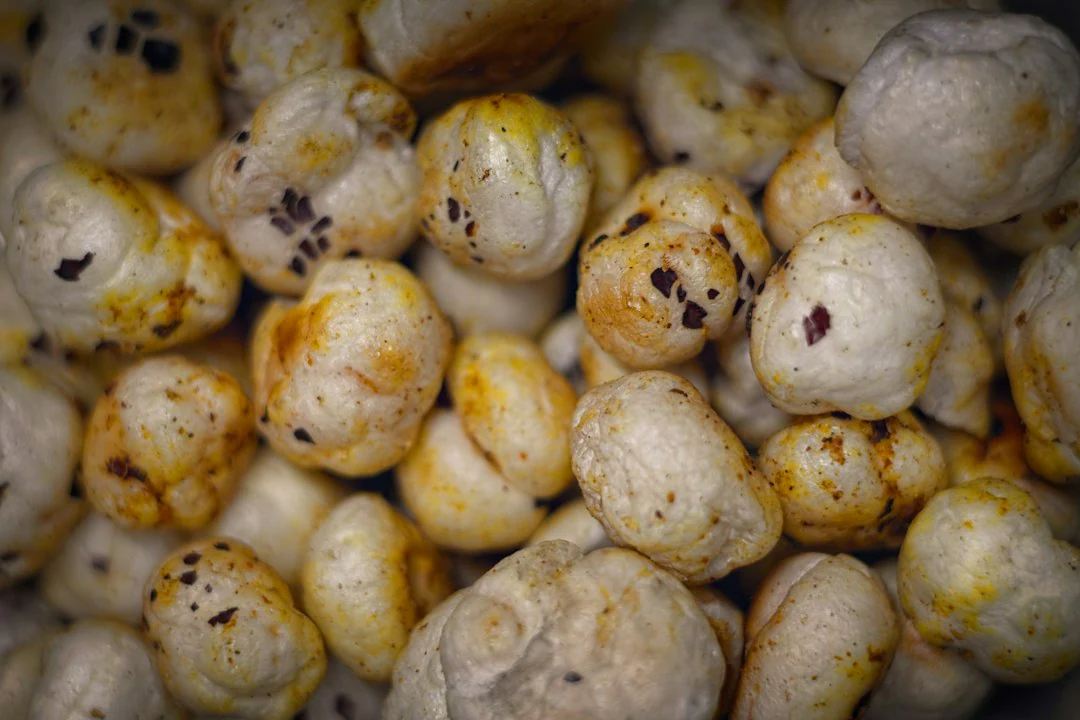
Roasted makhana, also known as fox nuts or lotus seeds, has become a popular alternative to fried namkeen and packaged snacks. Its appeal lies in its convenience and the fact that it can be prepared with relatively little oil.
However, makhana is primarily a carbohydrate-containing food. It provides some protein and small amounts of fibre, but it should not be mistaken for a high-protein snack.
According to Apte, approximately 20–25 grams of dry makhana can be a practical serving. Roasting it with minimal oil and avoiding excessive salt can make it a more balanced choice than many heavily fried alternatives.
How can you make makhana more filling?
People with PCOS or those trying to manage their calorie intake can pair a small serving of roasted makhana with curd or a modest portion of nuts. Adding these foods can improve the overall nutritional balance of the snack.
Portion size remains important. Eating a large bowl simply because makhana is considered healthy can still contribute to excess calorie and carbohydrate intake.
The same principle applies to other snacks: preparation and quantity matter just as much as the ingredient itself.
7. What Is the Most Effective Food Change for Weight Loss?
When people want to lose weight, they often look for one food group to eliminate. Some cut rice, others stop eating sugar, while many switch to expensive oils or avoid traditional snacks completely.
Apte recommends identifying the foods that contribute the most excess calories to an individual’s existing diet. There is no single change that works equally well for everyone.
For one person, the biggest opportunity may be reducing fried namkeen. For another, it could be limiting sugary drinks or using less cooking oil. Someone who regularly eats oversized rice portions may benefit from adjusting those servings.
The underlying principle of weight loss is maintaining a calorie deficit over time, meaning the body uses more energy than it receives from food and drinks. This does not require extreme restriction, but it does require consistency.
Four areas worth reviewing
- Added sugar: Reduce sugar and jaggery in tea, coffee, desserts and sweetened beverages.
- Cooking oil: Check how much oil is used across all meals rather than focusing only on the type of oil.
- Fried snacks: Reduce frequent consumption of namkeen, chips and other calorie-dense snacks.
- Grain portions: Adjust rice, roti and millet quantities according to individual needs.
The best first step is the one that addresses a meaningful source of excess calories without making the entire eating routine difficult to maintain.
8. What Are the Easiest Chai and Tiffin Swaps for Everyday Eating?
Changing breakfast habits does not have to mean giving up familiar South Indian or Indian foods. A restrictive plan that removes favourite meals may be difficult to follow for long periods. Smaller substitutions can make everyday eating more manageable.
For chai, gradually reducing added sugar or jaggery is a straightforward starting point. There is no need to immediately replace traditional sweeteners with artificial alternatives if a person can comfortably reduce sweetness over time.
For breakfast, deep-fried options such as vada and puri can be replaced more frequently with dishes such as idli, vegetable dosa, pesarattu or vegetable upma.
These dishes can become more nutritionally balanced when accompanied by sambar, sprouts, curd or another suitable protein source. A person who enjoys dosa does not need to eliminate it. Portion control and meal composition are more practical considerations.
Other useful breakfast habits include:
- Adding vegetables to dosa or upma.
- Including sambar or another pulse-based accompaniment.
- Choosing less oily preparation methods.
- Avoiding sweetened beverages alongside an already carbohydrate-heavy breakfast.
These changes preserve familiar flavours while improving the overall quality of the meal.
9. How Should You Eat During Festivals and Family Dinners?
Festivals and family gatherings often involve sweets, fried snacks, rich gravies and large meals. Trying to avoid every festive food can make Healthy Eating feel unnecessarily restrictive.
Apte identifies portion control as the most important principle for such occasions. People can enjoy traditional dishes without treating one festive meal as a reason to abandon their usual eating habits.
One practical approach is to begin with vegetables, salads and protein-rich foods such as dal or paneer before moving on to rice, roti and other carbohydrate-rich dishes.
Eating vegetables and protein before carbohydrate-rich foods may help moderate the post-meal blood glucose response in some people. However, the effect can vary, and eating order does not replace appropriate portions or medical treatment for diabetes.
There is also no need to completely avoid sweets. Choosing a small serving, eating it mindfully and avoiding repeated portions can help maintain balance.
What matters more is the overall pattern of eating across days and weeks, rather than a single celebration meal.
10. Five Kitchen Swaps That Are Worth Prioritising
Not every popular food trend deserves equal attention. Some changes can improve dietary quality without requiring expensive ingredients or major lifestyle adjustments.
Based on Apte’s recommendations, five practical swaps stand out:
- Reduce sweetness gradually: Lower the amount of sugar or jaggery in everyday chai instead of assuming one sweetener is automatically healthier.
- Balance grain portions: Eat moderate portions of rice, roti or millets with vegetables and protein rather than eliminating an entire grain group.
- Add dal and vegetables: Include pulses, vegetables and suitable protein sources in major meals to improve nutritional balance.
- Replace fried namkeen: Choose roasted makhana, fruit or other suitable snacks more frequently, while keeping portions appropriate.
- Control cooking oil: Use measured quantities and reduce frequent deep-fried foods instead of relying on expensive speciality oils.
Some commonly promoted changes are not essential. Completely replacing rice with millets, buying costly cold-pressed oils, switching from sugar to jaggery without reducing the quantity or avoiding every festive sweet are not universal requirements for weight loss or blood sugar management.
What People With PCOS and Insulin Resistance Should Remember
PCOS and insulin resistance can make dietary choices particularly important, but they do not require everyone to follow the same restrictive meal plan. Individual needs differ according to health status, activity, food preferences and treatment requirements.
A balanced approach can include familiar grains, pulses, vegetables, appropriate protein sources and moderate quantities of healthy fats. The goal is to build an eating pattern that supports overall health and can be followed consistently.
People with diabetes or prediabetes may also need individual guidance on carbohydrate portions, meal timing and glucose monitoring. A food swap that works well for one person may not produce the same response in another.
It is also important not to rely on a single ingredient to manage PCOS or insulin resistance. Diet is one part of a broader approach that may include physical activity, sleep, medical monitoring and treatment prescribed by a healthcare professional.
Healthy Eating Does Not Require Giving Up Your Everyday Indian Kitchen
The most useful message from these nutrition recommendations is that weight loss and blood sugar management do not depend on abandoning familiar foods. Rice can remain part of a balanced meal, millets can add dietary variety, whole-wheat rotis can provide fibre, and traditional breakfast dishes can fit into a sensible eating routine.
What makes the difference is how these foods are prepared, how much is eaten and what they are paired with. Reducing added sugar, controlling cooking oil, limiting frequent fried snacks and including vegetables and protein are practical changes that can be maintained without completely changing household food habits.
Expensive oils and fashionable grain substitutions are not shortcuts to better metabolic health. Consistent portions, balanced meals and sustainable habits are more meaningful starting points.
Disclaimer: This article is for informational purposes only and is not a substitute for professional medical advice. People with diabetes, PCOS, insulin resistance or other medical conditions should consult a qualified healthcare professional or registered dietitian for personalised dietary guidance. Do not change prescribed medication or treatment based on food advice alone.
For breaking news and live news updates, like us on Facebook or follow us on Twitter and Instagram. Read more on Latest Lifestyle on thefoxdaily.com.






COMMENTS 0