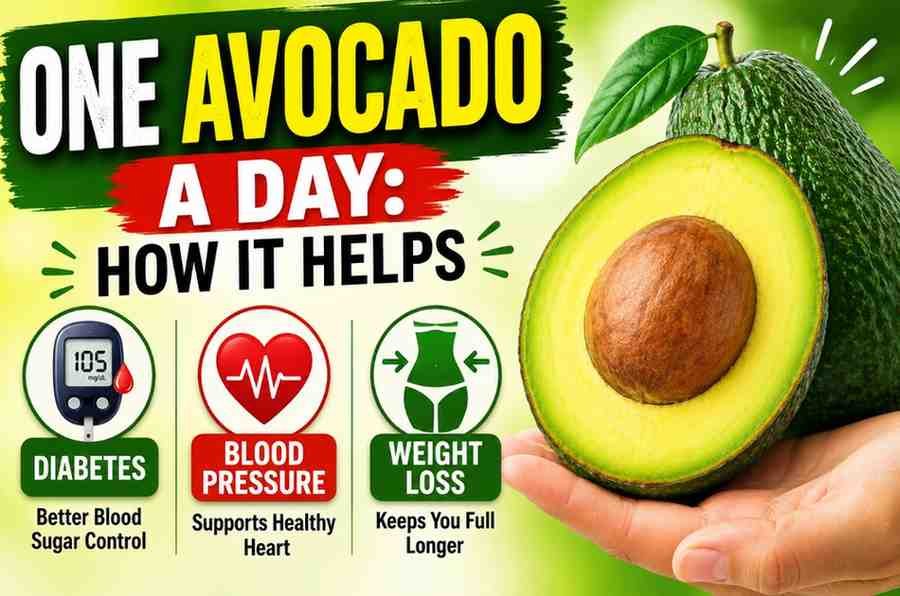
For years, avocados occupied an awkward space in nutritional science beloved by brunch menus and vilified by cardiologists wary of their fat content. But a growing body of research is now firmly rewriting that narrative. Scientists and dietitians are increasingly pointing to the humble avocado not just as a “healthy food,” but as a genuinely therapeutic one with measurable, clinically relevant benefits against type 2 diabetes, hypertension, and obesity, the trio of metabolic conditions that collectively drive the world’s greatest chronic disease burden.
What makes this particularly compelling isn’t just a single study or a dietary trend piece. It’s the convergence of multiple lines of scientific evidence from cardiometabolic research to gut microbiome studies all arriving at a similar conclusion: eating one avocado daily may produce meaningful improvements in blood sugar regulation, blood pressure, and body weight. And in an era where lifestyle-driven disease is overwhelming healthcare systems globally, that’s not a small claim.
Why Avocados Are No Longer Just a Superfood Buzzword
The word “superfood” is so overused it has nearly lost meaning. Blueberries, kale, turmeric everything gets the label eventually. But avocados deserve a more precise designation: functional food. Unlike many foods celebrated for their antioxidant content or vitamin density, avocados deliver a uniquely complex nutritional matrix that targets the biological mechanisms underlying metabolic disease directly.
The avocado is rich in monounsaturated fatty acids, primarily oleic acid the same fatty acid that makes olive oil cardioprotective. It contains an exceptional amount of dietary fiber, both soluble and insoluble, and is one of the few fruits that delivers significant quantities of potassium, magnesium, and folate simultaneously. It also contains a rare bioactive compound called avocatin B, a fat molecule found almost exclusively in avocados, which has demonstrated the ability to interfere with incomplete oxidation of fatty acids in the body a key driver of insulin resistance.
This is not incidental nutrition. Each of these components acts on a different node of the metabolic disease pathway, which is precisely why the evidence for avocados is accumulating faster than for almost any other whole food.
The Diabetes Connection: Beyond Blood Sugar Management
Type 2 diabetes now affects over 537 million adults worldwide, with projections suggesting the number could reach 783 million by 2045. The disease is fundamentally one of impaired insulin signaling the body either doesn’t produce enough insulin or fails to use it effectively, resulting in chronically elevated blood glucose that damages organs over time.
Research into avocado’s anti-diabetic effects has identified several distinct mechanisms. First, the high fiber content a single avocado provides approximately 10 grams of dietary fiber slows gastric emptying and blunts postprandial glucose spikes. This is critically important: it’s not just fasting blood sugar that determines diabetic risk, but the peaks and valleys of glucose response throughout the day.
Second, and perhaps more fascinating, is the role of avocatin B. Studies from the University of Guelph found that this compound inhibits mitochondrial fatty acid oxidation in skeletal muscle essentially disrupting the incomplete burning of fat that generates toxic byproducts linked to insulin resistance. In practical terms, it helps the cells “hear” insulin more clearly. No pharmaceutical intervention currently approved for early-stage insulin resistance works through quite this mechanism, making avocatin B a genuinely novel therapeutic candidate from a whole food source.
Third, avocados are low on the glycemic index and glycemic load scale, meaning they contribute negligible glucose themselves while improving how the body handles glucose from other foods eaten alongside them. Replacing a carbohydrate-heavy side dish with half an avocado can produce measurably different postprandial glucose profiles in prediabetic individuals.
Hypertension: The Silent Killer That Avocados May Help Quiet
Hypertension chronically elevated blood pressure is the leading risk factor for cardiovascular disease and stroke. It affects approximately 1.28 billion adults globally, yet nearly half of those with the condition are unaware they have it. Current management relies heavily on pharmaceutical intervention: ACE inhibitors, beta-blockers, diuretics. But dietary modification remains the most cost-effective first-line intervention, and avocados are emerging as one of its most potent tools.
The mechanism here is well-established. Avocados are extraordinarily potassium-dense a single whole fruit contains roughly 700–900 mg of potassium, significantly more than a medium banana, which is commonly cited as the gold standard potassium source. Potassium counteracts sodium’s vasoconstrictive effects, promoting vasodilation and reducing vascular resistance. For individuals consuming typical Western diets, which are grossly sodium-heavy and potassium-deficient, adding a daily avocado can begin to correct this dangerous electrolyte imbalance.
Beyond potassium, avocados contain magnesium a mineral that functions as a natural calcium channel blocker at the cellular level, relaxing arterial smooth muscle and reducing blood pressure. An estimated 50–60% of adults in developed nations are deficient in magnesium, and this deficiency is consistently associated with elevated blood pressure, metabolic syndrome, and increased cardiovascular risk.
The oleic acid content contributes further. Monounsaturated fats improve endothelial function the health of the inner lining of blood vessels and reduce inflammation-driven vascular stiffness, both of which directly influence blood pressure readings. Studies in hypertensive populations have documented blood pressure reductions of 3–5 mmHg with diets high in monounsaturated fatty acids, a magnitude that translates to clinically meaningful reductions in heart attack and stroke risk.
Obesity and Weight: Counterintuitive but Scientifically Sound
This is where the avocado story becomes most counterintuitive and most interesting. An avocado contains approximately 230–320 calories and 20–30 grams of fat. For anyone raised on the dietary dogma of the 1990s, consuming such a food daily while trying to manage weight sounds like dietary sabotage. The science says otherwise.
Multiple large-scale observational studies, including analyses of NHANES data involving tens of thousands of Americans, have consistently found that avocado consumers have lower BMI, lower waist circumference, and lower rates of metabolic syndrome than non-consumers even after controlling for overall diet quality and caloric intake. This association is strong enough to be notable in a field where nutrition research is notoriously difficult to conduct cleanly.
The mechanisms are multifactorial. The fiber-fat combination in avocados produces exceptional satiety the sensation of fullness that reduces subsequent caloric intake. Research from Loma Linda University found that participants who added half an avocado to their lunch reported significantly greater satisfaction and lower desire to eat over the following five hours compared to a control group. The caloric “cost” of the avocado was more than offset by reduced intake at subsequent meals.
Avocados also support the gut microbiome in ways increasingly recognized as central to weight regulation. The prebiotic fiber in avocados particularly resistant starch and pectin feeds beneficial bacterial species that produce short-chain fatty acids like butyrate. These compounds regulate hunger hormones, reduce gut permeability (linked to metabolic endotoxemia and weight gain), and improve insulin sensitivity. A 2021 randomized controlled trial published in the Journal of Nutrition found that daily avocado consumption increased microbial diversity and produced favorable shifts in gut bacterial composition associated with healthier metabolic profiles.
| Health Concern | Key Avocado Nutrient | Mechanism of Action | Estimated Benefit |
|---|---|---|---|
| Type 2 Diabetes | Avocatin B, Dietary Fiber | Improves insulin sensitivity; blunts glucose spikes | Reduced postprandial glucose response; lower HbA1c in at-risk groups |
| Hypertension | Potassium, Magnesium, Oleic Acid | Vasodilation; reduced arterial stiffness; endothelial protection | 3–5 mmHg reduction in systolic BP in MUFA-rich diets |
| Obesity | Fiber, Healthy Fats, Prebiotic Compounds | Enhanced satiety; gut microbiome modulation; reduced caloric compensation | Lower BMI and waist circumference in consistent consumers |
| Metabolic Syndrome (All Three) | Full nutritional matrix | Multi-pathway metabolic regulation | 37% lower odds of metabolic syndrome in regular avocado consumers |
The Compounding Effect: When All Three Conditions Overlap
Here is the insight that most coverage of avocado research misses entirely: diabetes, hypertension, and obesity rarely occur in isolation. They cluster together in a condition clinically defined as metabolic syndrome a constellation of risk factors that dramatically amplifies the risk of heart disease, kidney failure, and premature death. An estimated one in three adults in developed nations meets the criteria for metabolic syndrome.
The conventional pharmaceutical response to metabolic syndrome involves separate medications for each component: metformin for blood sugar, an antihypertensive for blood pressure, and lifestyle counseling for weight. The side effect profiles, drug interactions, and adherence challenges of this multi-drug approach are substantial particularly for lower-income populations who often bear the highest burden of metabolic disease.
An intervention that simultaneously addresses insulin resistance, blood pressure, and weight through a single whole food represents something genuinely novel in preventive medicine. The avocado doesn’t just check three boxes independently its components interact synergistically. Improved gut health enhances insulin signaling. Better blood sugar control reduces inflammatory load on blood vessels. Reduced visceral adiposity lowers arterial resistance. The downstream effects compound.
Accessibility, Affordability, and Real-World Adoption
One legitimate critique of “eat more avocados” as public health advice is accessibility. Avocados are perceived as a premium, urban food expensive, seasonal, and culturally specific. This perception is partly outdated. Global avocado production has more than tripled over the past decade, driven by cultivation expansions in Mexico, Peru, Kenya, and India. Real prices have declined significantly in many markets, and frozen or preserved avocado products now make the fruit available year-round at lower price points.
In India specifically, where the triple burden of diabetes (77 million cases, second globally), hypertension (220 million cases), and obesity (40+ million) is acute, domestic avocado cultivation is actively expanding in states including Tamil Nadu, Kerala, and Karnataka. The fruit, while still considered a specialty item, is entering mainstream urban produce markets and is increasingly available in tier-2 cities. The public health implications of wider adoption in Indian diets which are already fiber-rich but increasingly burdened by refined carbohydrates, sodium, and seed oils are significant.
What “One Avocado a Day” Actually Looks Like in Practice
The research consensus points to roughly half to one whole medium avocado daily as the dose associated with meaningful health benefits. This translates practically to:
- Half an avocado sliced onto a meal as a side, replacing a processed fat or refined carbohydrate
- Blended into a smoothie or lassi for satiety without added sugar
- Used as a spread replacing butter or processed mayonnaise on whole grain bread
- Incorporated into raita, chutneys, or salads in Indian meal contexts
- Added to eggs, dal, or grain bowls as a finishing ingredient
The fat content far from being a concern is precisely what makes avocados effective. Dietary fat slows digestion, improves fat-soluble vitamin absorption from other vegetables, and triggers satiety hormones that processed low-fat foods cannot replicate. Eating avocado with other vegetables literally makes those vegetables more nutritionally valuable.
A Realistic Outlook: Food as Medicine Has Limits Too
Scientific honesty requires acknowledging what avocados cannot do. They are not a cure for diagnosed type 2 diabetes, and no food should replace prescribed medication without medical supervision. The evidence base, while growing, is still weighted toward observational studies rather than large-scale randomized controlled trials across diverse populations. Avocados also contain significant calories, and in individuals with caloric surplus conditions, portion mindfulness remains relevant.
What the evidence genuinely supports is this: for adults in the pre-disease zone prediabetes, prehypertension, overweight but not obese regular avocado consumption as part of a whole-food diet represents one of the most evidence-backed, accessible, and side-effect-free interventions available. It is dietary prevention at its most practical.
Conclusion: The Avocado’s Moment in Evidence-Based Nutrition
The avocado has traveled a long road from guilty pleasure to functional medicine candidate. What was once dismissed as “too fatty” is now understood to deliver fats that heal, fiber that regulates, and bioactive compounds that target the root mechanisms of metabolic disease with a precision that rivals pharmaceutical intervention without the prescription pad or the side effects.
As the global burden of diabetes, hypertension, and obesity continues to escalate, dietary solutions that work across multiple disease pathways simultaneously will become increasingly valuable to both individuals and health systems. The avocado, consumed consistently and thoughtfully, may not keep the doctor away entirely but the evidence increasingly suggests it can meaningfully delay the visit.
Looking ahead, the next frontier in avocado research involves isolating and potentially concentrating avocatin B as a nutraceutical, studying avocado consumption in large randomized trials across South Asian and African populations with high metabolic disease burden, and integrating avocado-based dietary protocols into clinical prevention programs. If those trials deliver what the preliminary evidence promises, the humble green fruit may earn a permanent place not just on the menu but in the medicine cabinet.
For breaking news and live news updates, like us on Facebook or follow us on Twitter and Instagram. Read more on Latest Health on thefoxdaily.com.






COMMENTS 0