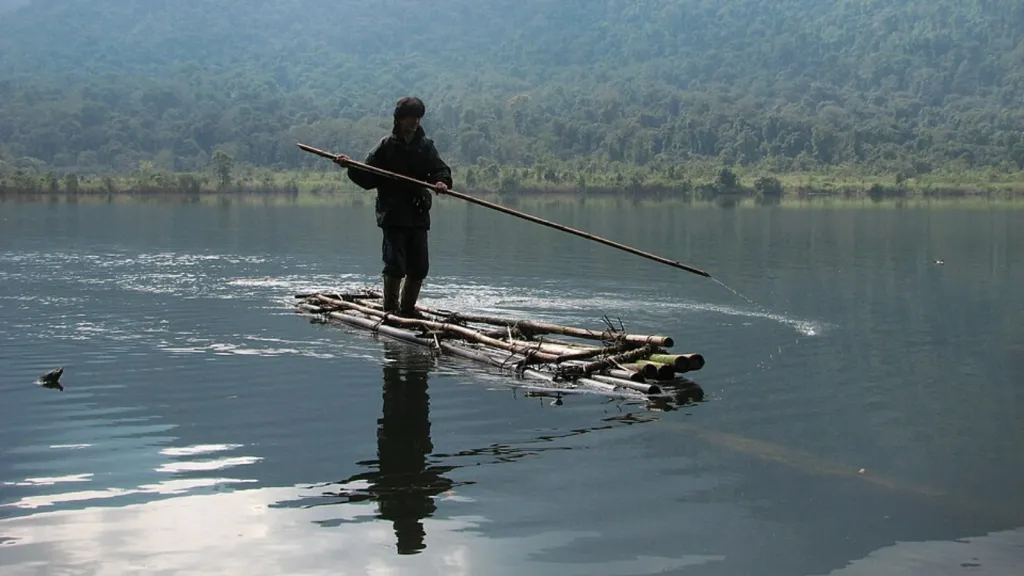
Arunachal Pradesh has secured an important milestone in Wetland Conservation with the designation of Glaw Lake as India’s 101st Ramsar site. The recognition, announced by Union Environment Minister Bhupender Yadav on August 3, makes the lake the state’s first wetland to receive international recognition under the Ramsar framework.
Located within the Kamlang Tiger Reserve and Wildlife Sanctuary, Glaw Lake is a freshwater ecosystem in the Eastern Himalayas. Perennial mountain streams feed the lake, while the surrounding catchment supports a diverse range of plant life. According to the Press Information Bureau (PIB), more than 150 tree species and 49 orchid species have been recorded in the wetland and its catchment.
The designation is significant not simply because it adds another site to India’s list of internationally recognised wetlands. It draws attention to a relatively undisturbed natural landscape in Arunachal Pradesh and highlights the importance of protecting the ecological systems that sustain its Biodiversity.
For a state known for its rich natural heritage, Glaw Lake’s recognition also creates an opportunity to strengthen conservation efforts, improve awareness and focus attention on the relationship between freshwater ecosystems, forests, wildlife and local communities.
Why is Glaw Lake ecologically important?
Glaw Lake’s ecological value comes from the combination of its freshwater environment, mountain-stream connections and surrounding vegetation. Situated in the Eastern Himalayas, the lake forms part of a wider natural landscape rather than functioning as an isolated water body.
Environmentalist Jasmit Singh Arora, popularly known as the “Gutli Man of India”, describes the lake as an important freshwater ecosystem because of its relatively undisturbed condition and location within the Kamlang Tiger Reserve.
“Glaw Lake is ecologically significant because it is a clean, untouched freshwater lake in the Eastern Himalayas, located inside the Kamlang Tiger Reserve,” Arora says.
The streams that feed the lake help maintain its freshwater environment. The surrounding vegetation adds another layer of ecological importance, supporting a variety of plant species within the wetland and its catchment. This connection between water and vegetation is central to understanding why conservation must extend beyond the lake’s visible shoreline.
According to the PIB, the area contains more than 150 tree species and 49 orchid species. These figures indicate the richness of its floral diversity and make the wetland important from a botanical conservation perspective.
Orchids are particularly notable because they represent a diverse group of flowering plants associated with a range of habitats. Their presence adds to the ecological character of the landscape and reinforces the need to protect the vegetation and environmental conditions that support them.
Arora also emphasises the importance of the surrounding habitat.
“The lake and its surrounding area are home to over 150 tree species and 49 rare orchid species, providing a safe, thriving habitat for unique plants and wildlife,” he says.
This biodiversity is not limited to the plants growing around the water. A wetland is part of a larger ecological network in which water availability, vegetation and habitat conditions influence the survival of different forms of life. Protecting the lake therefore also means paying attention to the streams and catchment that sustain it.
What does Ramsar recognition mean for Glaw Lake?
The Ramsar Convention is an international framework focused on the conservation and wise use of wetlands. It encourages countries to recognise wetlands of international importance and work towards maintaining their ecological character.
When a wetland receives Ramsar designation, it gains international recognition for its ecological significance. The status also draws attention to the responsibility of maintaining the environmental conditions that make the site important.
For Glaw Lake, the designation carries particular significance because it is the first Ramsar site in Arunachal Pradesh. It places the state’s freshwater biodiversity on a wider conservation map and gives greater visibility to a natural ecosystem within the Kamlang Tiger Reserve and Wildlife Sanctuary.
Arora says the recognition is important for both the state and the lake’s conservation prospects.
“First, it marks Arunachal Pradesh’s very first Ramsar site, bringing pride and global attention to the state,” he says.
The international designation can help reinforce the importance of protecting the wetland and its surrounding environment. It also provides a stronger platform for drawing attention to the ecological value of the area among conservation stakeholders and the wider public.
However, Ramsar status should not be understood as a guarantee that a wetland will automatically remain protected from every environmental threat. Recognition is an important step, but its long-term value depends on how effectively conservation responsibilities are carried out.
Arora describes the designation as a measure that strengthens Environmental Protection and helps prevent pollution and habitat loss. In practice, achieving these goals requires sustained management, monitoring and attention to activities that could affect the lake or its catchment.
Why protecting the surrounding catchment matters
One of the most important aspects of Glaw Lake’s ecology is its connection with perennial mountain streams. These streams feed the freshwater lake, making the surrounding catchment an essential part of the wetland system.
A wetland cannot be managed effectively by focusing only on the water visible within its boundaries. The condition of the land and vegetation around it can influence the quality and availability of water entering the lake. Changes in the surrounding landscape may therefore affect the wider ecosystem.
For Glaw Lake, protecting the catchment means recognising that its ecological health depends on the relationship between the lake, streams and surrounding vegetation. Conservation efforts need to consider these connected elements rather than treating the water body as a standalone feature.
This approach is especially relevant in mountain environments, where freshwater systems are closely linked to the surrounding terrain. Maintaining the natural condition of the landscape can help preserve the ecological processes that sustain the wetland.
The presence of extensive tree and orchid diversity also makes the surrounding vegetation an important conservation priority. Habitat disturbance or degradation could affect the plants and wildlife that depend on the area. Protecting the wider landscape is therefore central to maintaining the biodiversity highlighted by the Ramsar designation.
How can Glaw Lake contribute to water and climate security?
Wetlands are important components of natural systems because of their relationship with water, vegetation and surrounding landscapes. Their ecological functions can contribute to water security, climate resilience and the well-being of communities that depend on healthy natural environments.
The Union environment ministry has described Glaw Lake’s designation as significant for biodiversity conservation, water and climate security, and sustainable livelihoods. These priorities show why the recognition extends beyond the protection of individual plant and animal species.
Arora also highlights the wider benefits associated with maintaining a healthy freshwater ecosystem.
“It helps ensure clean water, fights climate change, and supports the sustainable livelihoods of local communities who depend on this healthy, natural ecosystem,” Arora says.
The lake’s role in water security is closely connected to the streams that feed it and the natural environment around it. Maintaining the health of this system is important for preserving its freshwater character. Protecting the catchment and reducing the risk of pollution are therefore relevant to the long-term conservation of the wetland.
Wetlands can also contribute to climate resilience through the ecological functions they perform. Their condition and capacity to support natural processes are important considerations in conservation planning. For Glaw Lake, the ministry’s emphasis on climate security underlines the broader environmental value of keeping the ecosystem healthy.
The connection with sustainable livelihoods is equally important. Local communities and natural ecosystems are not separate from one another. Where people depend on healthy landscapes and water resources, conservation can help maintain the environmental foundations that support their well-being.
At the same time, the specific livelihood benefits for communities around Glaw Lake will depend on local conditions and how the wetland is managed. Ramsar recognition creates an opportunity to give these considerations greater attention, but practical outcomes require responsible planning and implementation.
What conservation measures are important after Ramsar designation?
Glaw Lake’s international recognition is an important starting point, but maintaining its ecological value will require consistent conservation efforts. The central challenge is to preserve the natural features that made the wetland significant in the first place, including its freshwater character, surrounding vegetation and biodiversity.
Protecting water quality should remain a key priority. Pollution can undermine the health of freshwater ecosystems and affect the plants and wildlife that depend on them. Preventing waste and other pollutants from entering the lake and its feeder streams is therefore essential to maintaining its ecological condition.
Safeguarding the catchment is equally important. Since perennial mountain streams feed Glaw Lake, conservation planning needs to account for the wider landscape through which water reaches the wetland. Protecting the surrounding vegetation and monitoring changes in the catchment can help maintain the natural processes that sustain the lake.
Monitoring biodiversity can also support long-term management. The recorded presence of more than 150 tree species and 49 orchid species provides an important picture of the area’s floral richness. Continued observation can help conservation authorities understand changes in vegetation and identify potential concerns before they become more serious.
Responsible management should also consider the needs of local communities. Conservation measures are more likely to deliver lasting benefits when they recognise the relationship between people and the natural resources around them. Awareness and community participation can help build support for protecting the wetland while encouraging responsible use of the surrounding landscape.
These priorities reflect a broader principle of wetland conservation: international recognition must be supported by practical action. A designation can bring visibility and encourage attention, but the condition of the ecosystem ultimately depends on how effectively it is protected over time.
Why Glaw Lake’s recognition matters for Arunachal Pradesh
Becoming the state’s first Ramsar site gives Arunachal Pradesh an important place in India’s wetland conservation landscape. The designation highlights the ecological value of a region whose natural heritage includes freshwater habitats, forests and rich plant diversity.
It also draws attention to the importance of recognising wetlands beyond the country’s more widely known lakes and marshes. Mountain freshwater ecosystems such as Glaw Lake have their own ecological characteristics and conservation needs. Their significance may not always be as visible as that of larger or more frequently visited wetlands, but they remain important parts of the natural environment.
For Arunachal Pradesh, the recognition offers an opportunity to strengthen public understanding of wetland ecosystems and the biodiversity they support. It can encourage greater attention to the links between freshwater conservation, forest protection and wildlife habitats.
The designation also adds to the wider importance of the Kamlang Tiger Reserve and Wildlife Sanctuary as a landscape with significant ecological value. Glaw Lake’s recognition highlights the fact that protected natural areas can contain multiple interconnected habitats, each contributing to the health of the wider environment.
There is also a broader national dimension. As India’s list of Ramsar sites grows, the inclusion of different types of wetlands can help underline the variety of ecosystems that require conservation. Glaw Lake brings an Eastern Himalayan freshwater habitat into this international framework and highlights the importance of protecting its distinctive biodiversity.
A milestone that needs long-term conservation action
Glaw Lake’s designation as India’s 101st Ramsar site is a significant moment for Arunachal Pradesh. It recognises the ecological importance of a freshwater lake sustained by perennial mountain streams and surrounded by vegetation that supports more than 150 tree species and 49 orchid species.
The recognition brings international attention to the state’s first Ramsar wetland and reinforces the importance of protecting the wider ecosystem within the Kamlang Tiger Reserve and Wildlife Sanctuary. It also highlights the connection between biodiversity conservation, water security, climate resilience and sustainable livelihoods.
Yet the real measure of success will be the condition of the lake in the years ahead. Protecting its water quality, preserving the surrounding catchment, monitoring biodiversity and involving local communities will be essential to maintaining its ecological character.
Ramsar recognition gives Glaw Lake a stronger conservation profile. Ensuring that the freshwater ecosystem and its rich natural surroundings continue to thrive will depend on turning that recognition into sustained, responsible environmental management.
For breaking news and live news updates, like us on Facebook or follow us on Twitter and Instagram. Read more on Latest Lifestyle on thefoxdaily.com.





COMMENTS 0