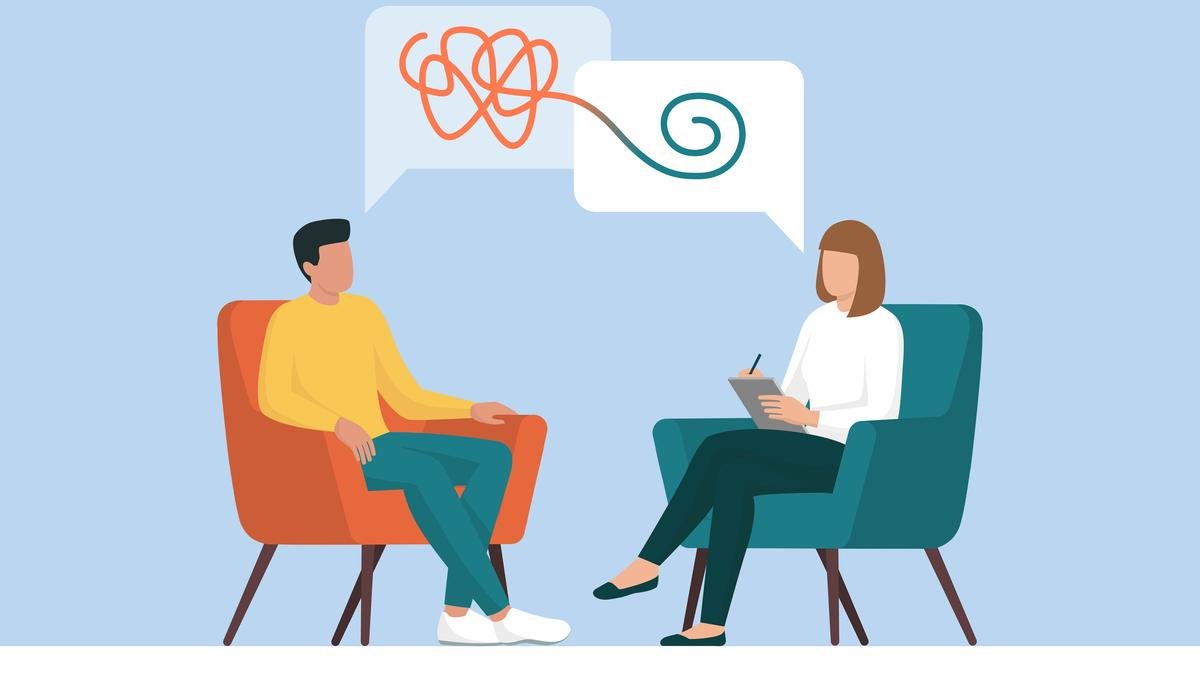
At a time when conversations around Mental Health are becoming more open, many people still struggle to find someone they can speak to without fear of judgment. Hyderabad‘s Roshni emotional support helpline has quietly spent nearly three decades filling that gap, offering compassionate listening rather than instant solutions.
A recent interaction illustrates its approach perfectly. A volunteer remained on a call for nearly two-and-a-half hours, allowing the caller to cry, vent and express emotions without interruption. There was no attempt to rush the conversation or immediately “fix” the problem. Instead, the focus remained on understanding, empathy and emotional support.
The experience reflects a larger trend emerging across India. Emotional distress, relationship conflicts, financial pressures and mental health struggles are driving thousands of people—particularly young adults—to seek anonymous support through helplines that prioritize listening before advice.
Why Emotional Support Helplines Matter More Than Ever
Mental health challenges rarely appear overnight. They often build gradually through stress, loneliness, academic pressure, workplace demands, family expectations, financial uncertainty or personal loss. Many individuals hesitate to discuss these struggles with relatives or friends due to fear of stigma or misunderstanding.
This is where emotional support helplines serve a unique role.
Unlike emergency medical services or formal psychotherapy, these helplines provide immediate emotional availability. Sometimes people simply need someone who will listen patiently while they organize their thoughts and emotions.
Psychologists have long recognized that verbalizing difficult emotions can reduce psychological distress, improve emotional regulation and help individuals feel less isolated.
Young Adults Are Seeking Help More Frequently
One of the strongest signals emerging from Roshni’s recent data is the growing number of young adults reaching out for emotional support.
People between 18 and 30 years accounted for nearly half of all calls received during 2025, making them the largest group using the service.
This reflects broader societal changes affecting younger generations:
- Academic competition and career uncertainty.
- Financial stress and rising living costs.
- Relationship challenges.
- Digital burnout and social media comparison.
- Loneliness despite constant online connectivity.
- Difficulty accessing affordable mental healthcare.
Young adulthood has always involved major life transitions, but today’s generation often faces these pressures simultaneously, making emotional support more important than ever.
| Key Insights from Roshni (2025) | Highlights |
|---|---|
| Total calls received | 5,610 |
| Largest age group | 18–30 years |
| Primary concerns | Mental health, relationships, financial stress, marital issues |
| Volunteer strength | 70 trained volunteers |
| Service availability | Seven days a week |
The Power of Listening Instead of Fixing
Modern society often rewards quick solutions. However, emotional pain rarely disappears after hearing a few encouraging words.
Roshni’s philosophy of “befriending” takes a different approach.
Instead of immediately offering advice, volunteers allow callers to express themselves at their own pace. This creates psychological safety—a space where individuals feel accepted without criticism or pressure.
Research in counselling consistently shows that feeling genuinely heard can reduce emotional intensity and help people regain clarity during moments of distress.
In many situations, the ability to share feelings openly becomes the first step toward recovery.
Understanding the ‘Befriending’ Model
Befriending is not the same as therapy, psychiatric treatment or crisis intervention. It is a structured emotional support model designed to reduce loneliness and provide compassionate listening.
Its core principles include:
- Active listening without interruption.
- Respecting confidentiality.
- Avoiding judgment.
- Encouraging emotional expression.
- Helping callers feel understood.
- Providing reassurance without making unrealistic promises.
This approach acknowledges that emotional distress often becomes more manageable once individuals realize they are not facing it completely alone.
What the Call Statistics Reveal About India’s Emotional Health
The pattern of calls received provides insight into the everyday struggles affecting many Indians.
Mental health concerns represented the largest category, followed closely by relationship problems, financial pressures and marital conflicts.
Rather than existing separately, these issues frequently overlap.
For example, financial stress may strain relationships, workplace burnout can contribute to anxiety, and prolonged emotional distress may affect family dynamics.
The data reminds us that mental health is closely connected with social, economic and personal circumstances.
Confidentiality Builds Trust
One reason emotional support helplines remain effective is confidentiality.
Many callers feel comfortable speaking honestly because they know their conversations are treated with respect and privacy.
This trust becomes especially important when volunteers identify someone who may require additional support.
In situations involving higher emotional risk, volunteers carefully balance confidentiality with safety by encouraging continued communication and, when appropriate and with sensitivity, exploring whether trusted family members or support persons can be involved.
This careful approach helps preserve the relationship established during the initial conversation while prioritizing the caller’s wellbeing.
Why Follow-Up Calls Can Make a Difference
Healing rarely happens in a single conversation.
For callers experiencing significant distress, follow-up interactions provide continuity and reassurance.
Even a brief call asking, “How have you been since we last spoke?” can remind someone that they matter.
This continuity can reduce feelings of abandonment and reinforce a person’s willingness to seek help before a crisis escalates.
The Unsung Heroes: Volunteer Listeners
Behind every conversation is a trained volunteer who dedicates time and emotional energy to supporting strangers.
Listening deeply is far more demanding than it appears. Volunteers must remain calm, empathetic and attentive while handling emotionally intense conversations.
Their preparation includes developing communication skills, understanding emotional distress, maintaining confidentiality and recognizing situations that require additional support.
Unlike many public-facing healthcare roles, these contributions often happen quietly, with little recognition despite their significant social value.
Technology Has Changed How People Ask for Help
The expansion of telephone and digital communication has transformed mental health support.
Many people who hesitate to visit a clinic or counselling centre find it easier to begin with a confidential phone conversation.
Remote emotional support also reaches individuals living in smaller towns or those who may have limited access to mental health professionals.
The fact that Roshni receives calls from multiple Indian states illustrates how emotional support services increasingly transcend geographical boundaries.
Emotional Support Is Not a Substitute for Professional Care
Although listening can provide immediate comfort, it is important to understand its role within the broader mental healthcare system.
Emotional support helplines complement—not replace—professional mental health treatment.
People experiencing persistent depression, severe anxiety, trauma-related conditions or other psychiatric illnesses may require evaluation and treatment by qualified mental health professionals.
However, helplines often serve as an important first point of contact, encouraging individuals to seek further help when needed.
Breaking the Stigma Around Asking for Help
One of India’s biggest mental health challenges is not simply the availability of services—it is the hesitation many people feel about reaching out.
Social expectations, misconceptions about mental illness and fear of being judged continue to discourage open conversations.
Every call made to an emotional support helpline represents a positive shift toward acknowledging that emotional wellbeing deserves attention just as physical health does.
Seeking support should be viewed as a sign of self-awareness rather than weakness.
What Families and Friends Can Learn
The philosophy behind Roshni offers valuable lessons for everyone, not just trained volunteers.
- Listen before giving advice.
- Avoid dismissing someone’s emotions.
- Allow people time to express themselves fully.
- Resist comparing their experiences with your own.
- Offer reassurance without minimizing their struggles.
- Encourage professional help when appropriate.
Sometimes, meaningful support begins with a simple sentence: “I’m here to listen.”
The Future of Community-Based Mental Health Support
As awareness of mental health continues to grow, community-based emotional support initiatives are likely to become even more important.
Increasing urbanization, changing family structures and digital lifestyles are reshaping how people experience stress and loneliness.
Services built around trained volunteers, accessible communication and compassionate listening may increasingly complement hospitals, psychologists and psychiatrists within a more integrated mental healthcare system.
Future innovations may also combine traditional helplines with digital platforms, multilingual services and expanded volunteer networks to reach more people across the country.
Conclusion
Hyderabad’s Roshni emotional support helpline demonstrates that meaningful mental health support does not always begin with medication or therapy—it often begins with someone willing to listen without judgment.
With thousands of calls each year and a dedicated team of trained volunteers, the organization highlights both the growing emotional challenges facing society and the profound impact of compassionate human connection.
The increasing number of young adults seeking support reflects changing realities in modern life, where academic pressure, financial uncertainty, relationship issues and loneliness intersect in complex ways. While emotional support helplines are not substitutes for professional mental healthcare, they provide an essential bridge for people who might otherwise remain silent.
Perhaps the most important lesson from Roshni’s work is surprisingly simple. In a world filled with constant advice, opinions and distractions, genuine listening remains one of the most powerful forms of care. Sometimes, the greatest gift we can offer another person is not an answer, but our full attention.
For breaking news and live news updates, like us on Facebook or follow us on Twitter and Instagram. Read more on Latest Health on thefoxdaily.com.






COMMENTS 0