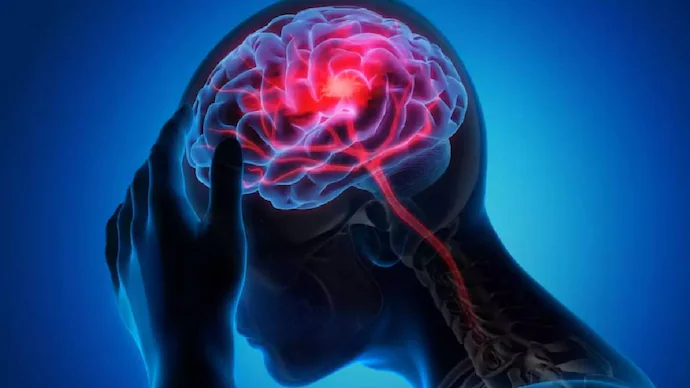
Cancer is commonly associated with symptoms such as unexplained weight loss, persistent fatigue, unusual lumps and ongoing pain. However, the impact of the disease can extend well beyond the tumour. In some patients, cancer can also increase the risk of a stroke, a potentially life-threatening medical emergency that occurs when blood supply to part of the brain is interrupted or when a blood vessel in the brain ruptures.
What makes this connection particularly important is that cancer-associated strokes do not always follow the conventional risk patterns. A person may experience a stroke even without established conditions such as high blood pressure, diabetes or a history of smoking. This is because certain cancers can directly influence the body’s blood-clotting system, making clots more likely to develop.
According to Dr Raziuddin Khwaja, Consultant Medical Oncologist at the Head & Neck Cancer Institute of India (HNCII), cancer can create a hypercoagulable state, a condition in which the blood becomes more prone to clotting. These clots can travel through the bloodstream and block arteries supplying the brain, potentially triggering an ischaemic stroke.
Inflammation, damage to blood vessels and certain cardiovascular complications can add to the risk. Cancer treatments may also contribute, depending on the medication, radiation exposure and the patient’s overall health. Recognising this relationship is important for patients, caregivers and healthcare professionals because early identification can influence treatment decisions and help reduce preventable complications.
How Does Cancer Increase the Risk of Stroke?
The relationship between cancer and stroke is closely linked to changes in the body’s normal clotting mechanisms. Under ordinary circumstances, blood clotting helps prevent excessive bleeding after an injury. However, when the clotting system becomes overactive, clots may form inside blood vessels even when there is no injury that requires them.
Some cancers can trigger this abnormal response by releasing substances that activate the clotting system. Cancer-related inflammation can also affect the lining of blood vessels and contribute to an environment in which clots are more likely to develop.
If a clot blocks an artery carrying oxygen-rich blood to the brain, the affected brain tissue may not receive the oxygen and nutrients it needs. This can cause an ischaemic stroke. The symptoms and severity depend on which blood vessel is blocked and how much of the brain is affected.
Importantly, cancer-related clotting abnormalities can occur even in patients who do not have the usual cardiovascular risk factors. This means that doctors may need to consider the underlying malignancy when evaluating a stroke in someone with a cancer diagnosis.
Which Cancers May Be Associated With Higher Clotting Risk?
Certain malignancies are more frequently associated with abnormal blood clotting. These include pancreatic, lung and gastrointestinal cancers. The biological behaviour of a tumour, its stage and the body’s inflammatory response can all influence the likelihood of developing complications involving blood clots.
However, the presence of one of these cancers does not mean that a patient will necessarily experience a stroke. The risk varies considerably depending on individual health, disease characteristics and treatment history.
Patients with advanced or metastatic cancer may require particular attention because the disease can affect several systems in the body. Doctors may assess their history of clotting events, current symptoms and other medical conditions to determine whether additional monitoring or preventive measures are appropriate.
Can Cancer Treatment Also Increase Stroke Risk?
Cancer itself is not the only factor that can influence stroke risk. Some treatments may also affect blood vessels, circulation and the body’s ability to regulate clotting. The degree of risk depends on the specific treatment, dosage, duration and the patient’s existing medical conditions.
Dr Khwaja explained that certain chemotherapy medicines, including cisplatin, can contribute to blood vessel damage and increase the likelihood of clot formation. Such complications may affect circulation and, in some circumstances, contribute to a higher risk of vascular events.
How Chemotherapy Can Affect Blood Vessels
Chemotherapy is designed to destroy cancer cells or prevent them from multiplying. However, some medicines can also affect healthy tissues and blood vessels. Depending on the drug and the patient’s response, treatment may contribute to vascular injury or changes in the body’s clotting activity.
Cisplatin, for example, has been associated with vascular complications and an increased tendency towards clotting in some patients. This does not mean everyone receiving the medicine faces the same level of risk. Oncologists consider the patient’s cancer type, treatment schedule, medical history and overall condition when evaluating potential complications.
Why Head and Neck Radiotherapy Requires Long-Term Attention
Radiotherapy is another important consideration, particularly when treatment is directed towards the head and neck region. Radiation can affect the arteries located near the treatment area. Over time, damage to the vessel walls may contribute to inflammation, thickening or narrowing of these arteries.
When an artery becomes significantly narrowed, blood flow to the brain may be reduced. In some cases, this can increase the risk of a stroke. These changes may develop gradually, which means the potential effects of radiotherapy are not necessarily limited to the treatment period.
Patients who have received radiation involving the head and neck may therefore benefit from appropriate long-term follow-up. The need for vascular assessment depends on individual treatment exposure, symptoms and other risk factors.
Can Targeted Therapy and Immunotherapy Affect Stroke Risk?
Targeted therapies and immunotherapies have expanded treatment options for several types of cancer. Although these treatments work differently from conventional chemotherapy, they can also produce side effects involving the cardiovascular system and blood vessels.
Certain targeted medicines may affect blood pressure, circulation or vascular function. Some immunotherapies can trigger inflammatory reactions that affect different organs. Depending on the medicine and the patient’s response, these complications may contribute to cardiovascular or vascular problems.
It is important to distinguish between the risks associated with different medicines. Not every targeted therapy or immunotherapy increases stroke risk, and the possibility of complications varies across treatment regimens. Patients should discuss new or unusual symptoms with their Oncology team rather than stopping treatment independently.
Other Treatment-Related Factors That May Contribute
Several additional circumstances during cancer treatment can increase the likelihood of blood clot formation. These include:
- Dehydration: Inadequate fluid intake, vomiting or diarrhoea can affect the body’s fluid balance and may contribute to clotting risk in vulnerable patients.
- Infections: Serious infections can trigger inflammation and place additional stress on the body’s circulation and clotting systems.
- Prolonged immobility: Spending long periods in bed or sitting without movement can increase the risk of clots developing, particularly in the veins.
- Advanced disease: The effects of advanced cancer, combined with reduced activity and other complications, may further increase the risk of clotting events.
These factors do not operate in isolation. A patient’s overall risk may reflect a combination of the malignancy, treatment-related effects and general health. This is why Stroke Prevention during cancer care requires an individual assessment rather than a single approach for everyone.
Can a Stroke Be the First Sign of Undiagnosed Cancer?
In some cases, a stroke can be the first indication that an underlying cancer may be present. This is particularly relevant when a patient experiences a stroke without an obvious explanation or has repeated clotting events involving different blood vessels.
Certain cancers can produce substances that make the blood unusually prone to clotting. In some patients, this may lead to multiple clots or recurrent strokes. When these events occur without a clearly identifiable cause, doctors may consider whether an underlying malignancy could be contributing to the problem.
The possibility may receive additional attention when neurological symptoms occur alongside other unexplained changes, such as persistent fatigue or unexpected weight loss. These symptoms can have many causes, but their presence may help doctors decide whether further investigations are necessary.
When Should Doctors Investigate an Underlying Malignancy?
Doctors may consider additional evaluation when a patient experiences:
- Recurrent strokes without a clearly established cause.
- Blood clots affecting multiple blood vessels.
- A stroke that cannot be explained by the patient’s usual cardiovascular risk factors.
- Neurological events accompanied by unexplained weight loss or persistent fatigue.
However, an unexplained stroke does not automatically indicate cancer. Many other medical conditions can cause strokes, and the majority of investigations should be guided by the patient’s symptoms, medical history, examination and test results.
Dr Khwaja emphasised that further cancer investigations should be based on clinical findings and individual risk. Unnecessary testing can create anxiety and may not provide useful answers. The aim is to identify patients who have a genuine reason for additional evaluation while ensuring that urgent stroke care is never delayed.
Stroke Warning Signs Cancer Patients Should Never Ignore
The warning signs of a stroke are generally the same for people with and without cancer. However, identifying them can sometimes be challenging during cancer treatment. Fatigue, weakness, headaches and other symptoms may be attributed to chemotherapy, radiotherapy or the underlying disease.
The important distinction is whether a symptom appears suddenly, particularly when it involves movement, speech, vision or balance. A sudden neurological change should never be dismissed as an ordinary treatment side effect.
Common stroke warning signs include:
- Sudden weakness or numbness: An abrupt loss of strength or sensation, particularly affecting one side of the face, arm or leg.
- Facial drooping: One side of the face may suddenly appear uneven, especially when the person tries to smile.
- Speech difficulties: The person may struggle to speak clearly, form words or understand what others are saying.
- Sudden vision problems: Blurred vision, double vision or sudden loss of sight in one or both eyes can indicate a neurological emergency.
- Loss of balance or coordination: Sudden dizziness, difficulty walking or an inability to coordinate movements may occur.
- Severe, sudden headache: An unusually intense headache, particularly when accompanied by other neurological symptoms, requires urgent assessment.
Why Recognising Symptoms Quickly Matters
A stroke is a medical emergency in which time can directly affect the possibility of limiting brain damage. When blood supply to part of the brain is interrupted, brain cells begin to lose oxygen. The longer the interruption continues, the greater the potential for permanent injury.
Patients and caregivers should seek emergency medical assistance immediately if stroke symptoms appear. They should not wait to see whether the symptoms disappear or assume that the problem is caused by cancer treatment.
Even if symptoms improve after a short period, urgent medical evaluation remains necessary. Temporary neurological symptoms can indicate a transient ischaemic attack, sometimes described as a warning stroke, and may signal an increased risk of a more serious event.
It is also helpful for caregivers to note when the symptoms first appeared or when the patient was last known to be well. This information can assist emergency teams in assessing treatment options. Patients should not attempt to manage suspected stroke symptoms at home.
Can Cancer-Associated Strokes Be Prevented?
Cancer-associated strokes cannot always be prevented, but appropriate assessment and risk management may reduce the likelihood of complications in selected patients. Prevention is particularly important for people with advanced or metastatic cancer, a previous history of blood clots, certain high-risk malignancies or a previous stroke.
The first step is understanding the patient’s individual risk. Doctors may consider the type and stage of cancer, current treatment, medical history, mobility, hydration status and other conditions that affect circulation.
Prevention strategies may include reviewing the treatment plan, addressing dehydration where appropriate and reducing prolonged periods of immobility. Patients who are able to move safely may be encouraged to maintain suitable levels of physical activity according to their medical condition and treatment requirements.
Do Blood Thinners Help Prevent Cancer-Related Strokes?
Anticoagulants, commonly known as blood thinners, may help prevent certain types of blood clots in selected cancer patients. These medicines reduce the blood’s ability to form clots and are used in specific situations when doctors believe the expected benefit outweighs the risk.
However, anticoagulants are not suitable for every person with cancer. They can increase the possibility of bleeding, which may be particularly concerning for patients with certain tumours, low platelet counts or other medical complications.
Before prescribing these medicines, doctors may need to evaluate several factors, including:
- Platelet count: Low platelet levels can increase the risk of bleeding and affect decisions about anticoagulant treatment.
- Kidney function: Some blood thinners require careful consideration of kidney health because it can influence how the medicine is processed or cleared.
- Tumour location: The location and characteristics of the cancer may affect the likelihood of bleeding.
- Other medications: Certain medicines can interact with anticoagulants or increase bleeding risk.
- Previous clotting or bleeding events: A patient’s medical history helps doctors assess the balance between potential benefits and complications.
Importantly, blood thinners should never be started, stopped or adjusted without medical advice. Their use needs to be individualised and coordinated between the treating oncology and stroke teams.
Why Coordination Between Cancer and Stroke Specialists Matters
Managing stroke risk in someone with cancer can involve several overlapping medical considerations. Oncologists understand the patient’s malignancy and treatment plan, while stroke specialists assess neurological complications and determine appropriate investigations and interventions.
Working together allows doctors to evaluate whether a stroke may be related to the cancer, its treatment or another underlying condition. It also helps them make decisions about anticoagulation, monitoring and follow-up while accounting for the patient’s bleeding risk and overall health.
This coordination is particularly important when treatment decisions involve competing risks. For example, a medicine that may reduce clot formation could also increase bleeding complications in a patient with certain cancer-related conditions. A personalised plan helps address these concerns more effectively than a standard preventive approach.
What Cancer Patients and Caregivers Should Remember
The connection between cancer and stroke highlights why cancer care must extend beyond monitoring tumour growth and treatment response. Changes in blood clotting, inflammation and vascular health can create complications that require attention throughout the course of the disease.
Patients should discuss their personal risk of blood clots and stroke with their oncologists, particularly if they have advanced cancer, a previous clotting event or are receiving treatments associated with vascular complications. They should also report unusual symptoms rather than assuming that every new health problem is an expected consequence of cancer therapy.
Caregivers have an equally important role. Being familiar with sudden facial drooping, one-sided weakness, speech difficulties, vision changes and loss of balance can help them recognise a possible stroke and respond without delay.
Ultimately, cancer does not mean that a stroke is inevitable. Nor does every stroke in a cancer patient necessarily result from the malignancy. Understanding the possible connection allows healthcare professionals to investigate unexplained events, identify patients who may need closer monitoring and make informed decisions about prevention.
For cancer patients and their families, the most important message is simple: sudden neurological symptoms require emergency medical attention. A possible stroke should never be dismissed as fatigue, a routine treatment reaction or just another complication of cancer.
For breaking news and live news updates, like us on Facebook or follow us on Twitter and Instagram. Read more on Latest Health on thefoxdaily.com.





COMMENTS 0