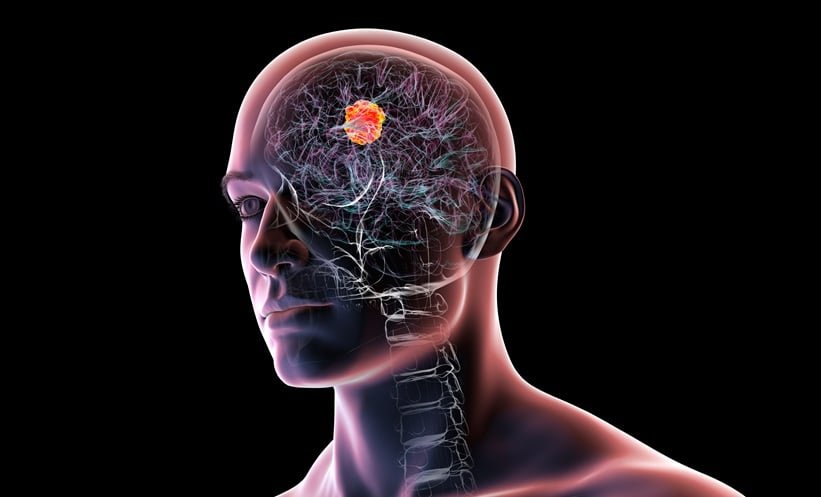
Breast Cancer research is increasingly moving toward more personalized treatment strategies, with researchers exploring how tumor biology, biomarkers, circulating tumor DNA, artificial intelligence and metabolic health could help guide clinical decisions. Speaking at the ASCO 2026 Annual Meeting, Sarah Premji, Assistant Director of Breast Cancer Research at Sarah Cannon Research Institute in Nashville, discussed several emerging developments shaping breast cancer care.
Sarah Premji on the Changing Breast Cancer Treatment Landscape
In a Quickfire Q&A recorded during the American Society of Clinical Oncology (ASCO) 2026 Annual Meeting, Sarah Premji shared perspectives on emerging breast cancer research and some of the questions that could influence treatment decisions in the coming years.
The discussion covered ongoing research into treatment beyond disease progression, the growing role of biomarkers and circulating tumor DNA, the potential contribution of artificial intelligence, metabolic health and the use of tumor biology to guide chemotherapy decisions.
PALMARES-2: Continuing Treatment Beyond Progression
One of the key topics was PALMARES-2, which explores whether continuing endocrine therapy alongside cyclin-dependent kinase 4/6 (CDK4/6) inhibition beyond disease progression could extend outcomes for selected patients.
Endocrine therapy is an important component of treatment for hormone receptor-positive breast cancer, while CDK4/6 inhibitors have become an established treatment approach in appropriate patients. However, cancer can eventually develop resistance to treatment, creating the clinical question of what strategy should be considered after progression.
Research such as PALMARES-2 is examining whether continuing selected treatment approaches beyond progression could provide additional benefit for certain patient groups. The findings need to be interpreted in the context of individual tumor characteristics and the available evidence rather than assuming that continuing the same treatment will benefit every patient.
Personalized Oncology Is Becoming Increasingly Data-Driven
Another major theme of the discussion was personalized oncology. Rather than relying solely on broad cancer classifications, researchers are increasingly investigating biological and molecular characteristics that may help determine which treatment is most appropriate for an individual patient.
Several areas are attracting particular attention:
- Biomarkers: Biological markers may help identify characteristics associated with treatment response or resistance.
- Circulating tumor DNA: Tumor-derived DNA fragments found in the bloodstream are being studied as a potential tool for monitoring disease and detecting molecular changes.
- Artificial intelligence: AI-based approaches are being investigated for applications ranging from diagnosis and risk assessment to analysis of complex clinical and molecular data.
- Metabolic health: Factors related to metabolic health are also receiving greater attention as researchers examine their relationship with cancer outcomes and treatment.
The broader objective is to move toward treatment decisions that reflect the biology of a patient’s cancer and their individual clinical circumstances.
Circulating Tumor DNA Could Add Another Layer of Monitoring
Circulating tumor DNA (ctDNA) is an area of growing interest in cancer research. Tumors can release small fragments of DNA into the bloodstream, allowing researchers to study molecular information through a blood sample.
In breast cancer, ctDNA is being investigated for several potential applications, including monitoring molecular changes over time and identifying signs of residual disease or treatment resistance.
However, the clinical usefulness of ctDNA depends on the specific setting, test characteristics and evidence supporting its use. A blood-based molecular test should not automatically be viewed as a replacement for established imaging, pathology or clinical assessment.
OPTIMA: Can Tumor Biology Help Guide Chemotherapy?
The discussion also highlighted the OPTIMA study and its focus on using tumor biology to help inform chemotherapy decisions in early-stage hormone receptor-positive breast cancer.
For many patients with early-stage hormone receptor-positive breast cancer, an important treatment question is whether chemotherapy is likely to provide enough additional benefit to justify its potential risks and side effects.
Traditional clinical and pathological characteristics can help inform that decision, while genomic and biological information may provide additional insight into the characteristics of a tumor.
Research such as OPTIMA is therefore examining whether understanding tumor biology more precisely can help identify patients who may benefit from chemotherapy and those for whom other treatment strategies may be appropriate.
Why Tumor Biology Matters in Early Breast Cancer
Breast cancer is not a single disease. Tumors can differ substantially in their molecular characteristics, hormone receptor status, HER2 status, genomic features and response to treatment.
Recognising these differences has already influenced breast cancer treatment, and ongoing research is attempting to refine this approach further.
The goal is not simply to develop more treatments, but to understand which treatment is most appropriate for which patient and at what point in the course of disease.
AI and the Future of Cancer Care
Artificial intelligence is another technology increasingly being explored across oncology. The large volume of clinical, imaging, pathology and molecular information generated during cancer care creates opportunities for computational tools to assist researchers and clinicians.
Potential applications include analysing complex datasets, identifying patterns associated with outcomes and supporting risk stratification. However, AI-based tools require careful validation to establish whether they improve clinical decision-making and patient outcomes in real-world settings.
Metabolic Health Enters the Oncology Conversation
The discussion also reflects a broader shift toward considering the patient’s overall health alongside the characteristics of the cancer itself.
Metabolic factors such as body composition, physical activity, nutrition and other aspects of metabolic health are receiving increasing attention in cancer research. Understanding how these factors interact with cancer biology and treatment could eventually contribute to more comprehensive approaches to cancer care.
Importantly, these areas remain active subjects of research, and individual patients should not make treatment decisions based solely on emerging findings.
The Broader Direction of Breast Cancer Research
The research themes discussed by Sarah Premji point toward a breast cancer treatment landscape increasingly focused on precision and biological information.
Studies investigating treatment beyond progression, molecular monitoring through ctDNA and the use of tumor biology to guide chemotherapy decisions all address a common question: how can treatment be better matched to the individual characteristics of a patient’s cancer?
As evidence develops, biomarkers, genomic information, artificial intelligence and other technologies could provide clinicians with additional information for making treatment decisions. The challenge will be determining which tools demonstrate meaningful benefits for patients and can be reliably incorporated into routine clinical practice.
Conclusion
Emerging breast cancer research is increasingly focused on personalization, treatment selection and understanding tumor biology. The topics discussed by Sarah Premji at ASCO 2026—including PALMARES-2, OPTIMA, biomarkers, circulating tumor DNA, AI and metabolic health—reflect several areas being actively investigated in modern oncology.
While these approaches could expand the tools available to clinicians, research findings need to be evaluated according to the specific cancer subtype, treatment setting and individual patient circumstances. Continued clinical research will help determine which emerging strategies ultimately become part of routine breast cancer care.
SEO Details
Primary Keyword: breast cancer research ASCO 2026
Secondary Keywords: Sarah Premji, ASCO 2026 breast cancer, PALMARES-2, OPTIMA breast cancer study, personalized oncology, circulating tumor DNA, breast cancer biomarkers, AI in cancer care, tumor biology, hormone receptor-positive breast cancer
Meta Title: ASCO 2026: Sarah Premji on Emerging Breast Cancer Research
Meta Description: Sarah Premji discusses emerging breast cancer research at ASCO 2026, including PALMARES-2, OPTIMA, personalized oncology, ctDNA, AI and metabolic health.
Disclaimer: This article is for informational purposes only and does not constitute medical advice. Cancer treatment decisions should be made with a qualified oncology team based on an individual’s diagnosis, tumor characteristics, treatment history and the latest clinical evidence.
For breaking news and live news updates, like us on Facebook or follow us on Twitter and Instagram. Read more on Latest Health on thefoxdaily.com.






COMMENTS 0