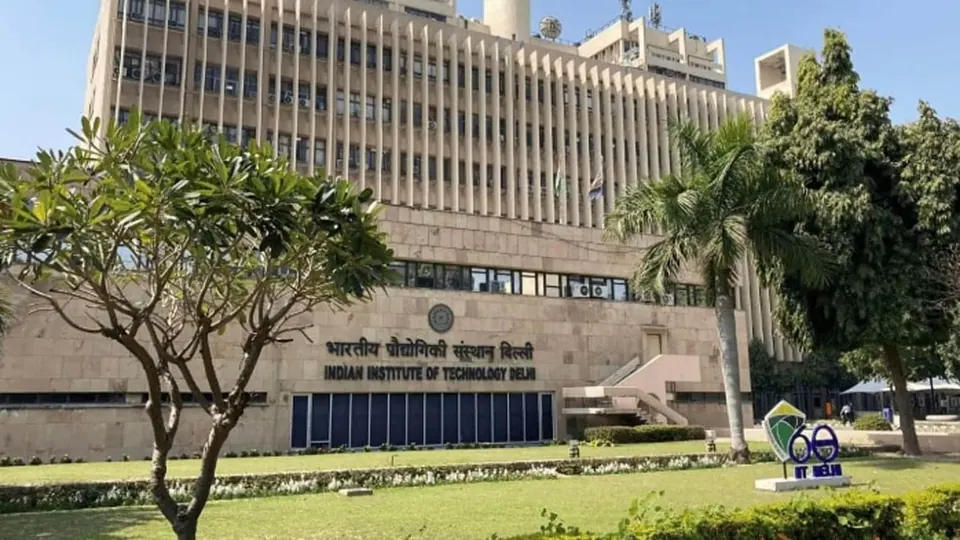
The Indian Institute of Technology Delhi (IIT Delhi) has announced a series of measures to strengthen mental health support and Student Welfare on campus. The proposed initiatives include recruiting additional full-time clinical psychologists and counsellors, engaging visiting psychiatrists, introducing formalised re-entry protocols for students returning after extended leave, and appointing an independent Student Grievance Ombudsperson.
The measures follow recommendations from an external inquiry committee constituted after the death of a 31-year-old MSc student, Rishikesh Kumar, on August 22, 2026. The committee was headed by retired Delhi High Court judge Justice Mukta Gupta and was tasked with examining the circumstances surrounding the incident and recommending steps to strengthen the institute’s student support systems.
In a statement issued on November 4, IIT Delhi said the recommendations primarily focused on systemic improvements to mental health support and related institutional mechanisms. The institute has prepared an implementation plan after reviewing the committee’s recommendations and holding discussions with students.
IIT Delhi to Recruit More Clinical Psychologists and Counsellors
Expanding access to professional mental healthcare is among the key measures announced by IIT Delhi. The institute plans to recruit additional full-time clinical psychologists and counsellors, alongside engaging visiting psychiatrists to strengthen the clinical care available to students.
The proposed recruitment is intended to expand the institute’s capacity to provide professional psychological support and make mental health services more accessible to students dealing with emotional, psychological or academic difficulties.
Under the existing support system, IIT Delhi had previously stated that it provided access to 15 on-campus counsellors, one full-time psychiatrist and two part-time psychiatrists associated with AIIMS and VIMHANS. The institute also said students could access empanelled counsellors, with treatment expenses reimbursed by the institution.
The latest announcement indicates that IIT Delhi intends to build on its existing arrangements by adding more full-time professionals and strengthening access to specialised clinical care.
Formal Re-entry Protocols for Students Returning After Extended Leave
Another important part of the proposed reforms concerns students returning to campus after taking an extended leave of absence. IIT Delhi plans to introduce formalised re-entry protocols to make the transition back to academic and campus life more structured.
These protocols will include specialised counselling, academic coordination and buddy networks for students resuming their studies after an extended break. The measures are intended to provide support beyond clinical care by addressing the academic and social aspects of returning to the institute.
Students returning after a prolonged absence may need assistance in reconnecting with their academic programmes, understanding coursework requirements and rebuilding their support networks on campus. The proposed arrangements are designed to coordinate these areas rather than leave students to manage the transition without structured institutional assistance.
Academic coordination will form part of the re-entry process, while buddy networks are expected to provide an additional layer of peer support. Specialised counselling will also be included to help students access professional guidance during their return.
Independent Student Grievance Ombudsperson to Be Appointed
IIT Delhi has also announced plans to establish an independent Student Grievance Ombudsperson. The proposed position is intended to strengthen the institute’s grievance redressal system and provide students with an independent channel for raising concerns.
The ombudsperson will form part of the broader institutional effort to improve student welfare and address grievances through mechanisms beyond the existing internal arrangements.
The proposal follows earlier discussions about introducing an external mechanism for handling student complaints that remain unresolved through the institute’s regular channels. IIT Delhi had previously indicated that an external ombudsperson was being considered after the August incident.
By including an independent grievance authority in its latest action plan, the institute has placed grievance redressal alongside mental healthcare and academic support as areas requiring institutional attention.
External Panel to Review Mental Health Support and Wellness Policy
In addition to expanding its clinical services, IIT Delhi will undertake a comprehensive review of its Mental Health Support System and Wellness Policy through an external panel.
The proposed panel will comprise two senior mental health experts, one welfare professional and two student representatives. Its composition is intended to bring professional expertise and student perspectives into the assessment of the institute’s existing arrangements.
The review will examine several aspects of the current system, including:
- Existing mental health support provisions available to students.
- Emergency-response protocols followed by the institute.
- Referral mechanisms for students requiring specialised care.
- Monitoring arrangements related to student welfare and mental health support.
The panel will assess the existing provisions and identify areas where institutional processes may need to be strengthened. IIT Delhi has not publicly disclosed the detailed findings of the original inquiry committee, and the separate review is expected to focus on examining the broader support framework and recommending improvements.
Mandatory Sensitisation Programmes for Faculty and Staff
The proposed reforms also extend to faculty members and administrative personnel who regularly interact with students. IIT Delhi has included staff sensitisation programmes as part of its efforts to create a more supportive campus environment.
The recommendations call for workshops and awareness sessions focusing on empathy, soft skills and mental health. These programmes are intended for faculty members as well as administrative and hostel staff.
Such training is an important part of the institute’s wider approach because students interact with different departments and personnel while dealing with academic, residential and administrative matters. Improving awareness of mental health concerns and strengthening communication skills could help staff respond more sensitively when students approach them for assistance.
The institute has also proposed extensive awareness campaigns on mental health issues and laws related to substance use. These initiatives will form part of the broader effort to improve understanding of student well-being across the campus.
How the Recommendations Were Reviewed
The latest measures emerged from a review process that involved both external and internal committees. After the external inquiry committee submitted its report, IIT Delhi constituted an internal committee to examine the recommendations and prepare an operational roadmap for implementation.
The internal committee included the Deputy Director (Operations), Dean of Student Affairs, Dean of Academics, general secretaries of the Student Affairs Council (SAC) and the Board of Student Welfare (BSW), and the Assistant Registrar.
The committee examined the recommendations and discussed the proposed measures with students. IIT Delhi said the recommendations, proposed follow-up actions and implementation roadmap were shared with students, faculty members and staff on October 31.
The action plan was subsequently discussed at a Student Affairs Council meeting on November 3. Student feedback was incorporated into a time-bound implementation plan, according to the institute.
The consultation process was intended to bring student representatives and other members of the campus community into discussions about the proposed changes. It also provided an opportunity to review how the recommendations could be translated into practical institutional measures.
Why IIT Delhi Constituted an Inquiry Committee
The announcement follows the death of Rishikesh Kumar, a 31-year-old MSc student at IIT Delhi, on August 22, 2026. His death prompted the institute to constitute an external inquiry committee to examine the circumstances surrounding the incident and identify measures that could strengthen student welfare and mental health support.
The committee was headed by retired Delhi High Court judge Justice Mukta Gupta. It also included a senior domain expert from the All India Institute of Medical Sciences (AIIMS) and two student representatives.
In an earlier statement issued in August, IIT Delhi said Kumar had joined the institute in July 2025 and was living in a campus hostel. The institute stated that concerns raised by fellow students earlier in the year had led to his referral to the IIT Delhi Hospital, where he was assessed by the institute psychiatrist.
According to the institute’s account, Kumar subsequently received treatment at a specialised hospital and was granted permission to withdraw from the January-May 2026 semester. IIT Delhi also said his health records were reviewed in July and that he received counselling and treatment support during July and August. His request to withdraw from the July-November 2026 semester was also approved.
Following his death, the institute announced an external inquiry to examine the incident and recommend further measures. The committee subsequently submitted its report to IIT Delhi.
Why the Inquiry Report Will Remain Confidential
IIT Delhi has clarified that the external inquiry committee directed the institute to keep its report confidential. As a result, the detailed findings have not been made public.
In its November 4 statement, the institute said the committee’s recommendations primarily focused on systemic reforms to strengthen mental health support and related institutional mechanisms.
The decision to keep the report confidential means that the public announcement provides information about the proposed institutional changes but does not disclose the committee’s detailed observations or findings about the circumstances surrounding the student’s death.
The institute has instead outlined the steps it plans to take in response to the recommendations, including expanding clinical care, reviewing existing wellness policies, improving re-entry arrangements and strengthening grievance redressal.
What the New Measures Mean for IIT Delhi Students
The proposed initiatives cover several areas of student life rather than focusing exclusively on access to counselling. They combine professional mental healthcare, academic coordination, peer support, grievance redressal and staff sensitisation within a broader student welfare framework.
Recruiting additional clinical psychologists and counsellors could expand access to professional support, while visiting psychiatrists would add specialised clinical expertise. Formal re-entry protocols could provide students returning after extended leave with a more coordinated transition into academic life.
The proposed independent ombudsperson would add another channel for addressing student grievances. Meanwhile, the external review of the Mental Health Support System and Wellness Policy will examine whether existing provisions, emergency responses, referral mechanisms and monitoring arrangements require changes.
Staff training and awareness campaigns are also part of the plan, reflecting the institute’s intention to involve faculty members, administrative personnel and hostel staff in creating a more responsive campus environment.
However, the impact of these measures will depend on their implementation, the availability of qualified professionals and the effectiveness of the revised support mechanisms. IIT Delhi has said that a time-bound action plan has been prepared, but the November 4 announcement did not specify a complete recruitment schedule or a deadline for every proposed initiative.
IIT Delhi’s Next Steps on Student Mental Health
IIT Delhi’s latest announcement outlines a broader institutional response to concerns surrounding student mental health and welfare. The proposed reforms include more full-time clinical psychologists and counsellors, visiting psychiatrists, structured support for students returning after extended leave, and an independent Student Grievance Ombudsperson.
The external review of the institute’s wellness policy and the proposed sensitisation programmes for faculty and staff are intended to complement these measures. Student feedback has also been incorporated into the implementation plan following discussions at the Student Affairs Council meeting.
Although the inquiry report remains confidential, IIT Delhi has publicly outlined several areas in which it intends to strengthen its systems. The effectiveness of the reforms will ultimately depend on how consistently the institute implements them and whether students can access timely, professional and responsive support when they need it.
For breaking news and live news updates, like us on Facebook or follow us on Twitter and Instagram. Read more on Latest Education on thefoxdaily.com.






COMMENTS 0