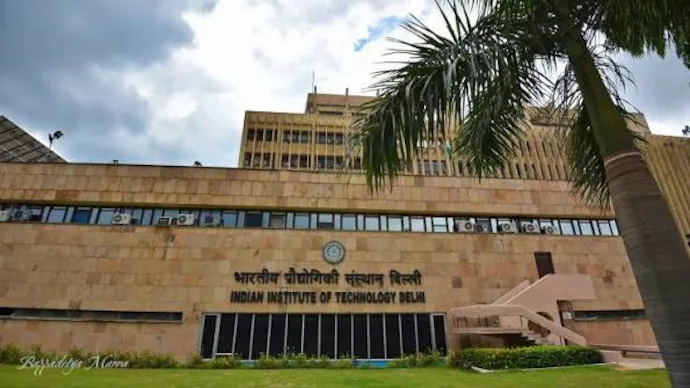
The Indian Institute of Technology (IIT) Delhi has announced a series of proposed reforms to strengthen student mental health support, improve grievance redressal and create a more supportive campus environment following the death of student Rishikesh Kumar on August 22, 2026.
The measures include recruiting additional full-time clinical psychologists and counsellors, appointing visiting psychiatrists, reviewing the institute’s existing mental health policy and introducing mandatory sensitisation workshops for faculty members, administrative personnel and hostel staff.
In a statement issued on Wednesday, IIT Delhi said the proposed changes were based on recommendations submitted by an External Inquiry Committee headed by retired Delhi High Court judge Justice Mukta Gupta. The committee was constituted to examine the matter and suggest measures that could strengthen the institute’s institutional support systems.
The announcement places renewed focus on the role of educational institutions in addressing student mental health concerns, ensuring timely access to professional support and making campus grievance mechanisms more accessible.
IIT Delhi Plans to Appoint More Counsellors and Psychiatrists
One of the key recommendations concerns expanding the availability of professional mental health services on campus. IIT Delhi plans to recruit additional full-time clinical psychologists and counsellors, along with visiting psychiatrists.
The proposed expansion is intended to strengthen the institute’s existing support framework and provide students with better access to qualified professionals. Clinical psychologists and counsellors can support students dealing with emotional distress, academic pressure, adjustment difficulties and other psychological concerns, while psychiatrists can assess mental health conditions and provide medical treatment when required.
Access to mental health professionals is an important part of Student Welfare, particularly in demanding academic environments where students may face multiple pressures. However, the effectiveness of such services also depends on their accessibility, confidentiality, timely appointments and students’ confidence in seeking help.
By proposing additional full-time appointments and visiting psychiatric services, IIT Delhi is looking to expand the professional support available to its student community.
New Re-entry Protocols for Students Returning After Long Leave
Another important part of the proposed action plan involves formalising re-entry procedures for students returning to campus after extended leaves of absence.
Under the proposed framework, students returning after a prolonged break will receive specialised counselling, academic coordination and support through buddy networks. These arrangements are intended to make the transition back to campus life more structured and manageable.
Returning to an academic environment after an extended absence can involve several challenges. Students may need time to rebuild their academic routines, reconnect with classmates and adjust to institutional expectations. Coordination between counselling services and academic departments could help identify support requirements and reduce difficulties during this transition.
The proposed buddy networks are also expected to provide students with peer-level assistance as they reconnect with campus life. Such arrangements can complement professional counselling by helping students feel more connected to their academic and social environment.
External Panel to Review IIT Delhi Mental Health Policy
IIT Delhi will constitute a separate external committee to review its existing Mental Health Support System and Wellness Policy. The proposed panel will include two senior mental health experts, a welfare professional and two student representatives.
The committee will examine several aspects of the institute’s current framework, including:
- Existing mental health provisions: Reviewing the support services and welfare measures currently available to students.
- Emergency response protocols: Assessing how the institute responds when a student experiences an urgent mental health crisis.
- Referral mechanisms: Examining how students are directed towards appropriate professional support and treatment.
- Monitoring arrangements: Reviewing the systems used to assess the functioning and effectiveness of mental health services.
The panel will recommend further changes after examining these provisions. Its composition, which includes mental health specialists and student representatives, is intended to bring professional expertise and student perspectives into the policy review process.
A review of the policy could help identify gaps between the support systems formally available to students and the challenges they encounter while trying to access them. The recommendations are expected to inform further changes to the institute’s mental health framework.
Mandatory Mental Health Sensitisation Workshops for Faculty and Staff
Alongside expanding professional counselling services, IIT Delhi has proposed mandatory empathy, soft-skills and mental health sensitisation workshops for faculty members, administrative personnel and hostel staff.
The initiative recognises that students interact with several groups of employees during their academic and residential lives. Faculty members may be among the first people to notice changes in a student’s academic participation, while administrative and hostel staff regularly interact with students outside the classroom.
The proposed workshops aim to improve awareness of student mental health concerns and help staff members respond with greater sensitivity and empathy. They are also expected to strengthen communication skills and encourage a more supportive approach when students approach institutional personnel with personal or emotional difficulties.
Such sensitisation is different from professional mental health treatment. Faculty and administrative staff are not expected to replace trained counsellors or psychiatrists. Instead, the workshops can help them recognise when a student may need support, respond appropriately and guide them towards qualified professionals.
Making these workshops mandatory would also place student welfare within the broader responsibilities of the institution rather than limiting it to its counselling services.
Student Feedback Incorporated Into the Implementation Plan
IIT Delhi said an internal committee comprising senior institute officials and student representatives examined the recommendations of the External Inquiry Committee and prepared an operational roadmap for implementing the proposed measures.
The recommendations and follow-up measures were shared with students, faculty members and staff on October 31. The action plan was subsequently discussed at the Student Affairs Council meeting on November 3, where student inputs were incorporated into a time-bound implementation framework.
Student participation is an important element of the proposed reforms because students are directly affected by the accessibility and functioning of campus support systems. Their feedback can help the institute understand practical concerns, including barriers to seeking counselling, difficulties in navigating grievance procedures and the need for more responsive welfare services.
The institute has also proposed awareness campaigns focusing on mental health issues and laws related to substance use. These campaigns are intended to improve awareness among students and encourage a better understanding of the support systems and legal provisions relevant to campus life.
External Inquiry Committee Report Kept Confidential
The reforms follow the submission of a report by an External Inquiry Committee headed by retired Delhi High Court judge Justice Mukta Gupta. The panel also included a senior expert from the All India Institute of Medical Sciences (AIIMS) and two student representatives.
According to IIT Delhi, the committee submitted its report to the institute, but the document has been kept confidential in accordance with the committee’s mandate.
The institute has said that the recommendations primarily focus on systemic improvements to the campus mental health support framework and other institutional mechanisms. While the full report has not been made public, IIT Delhi has outlined several proposed changes that it intends to pursue in response to the recommendations.
The distinction is important: the institute has shared the proposed institutional measures, but the confidential report itself has not been released. Therefore, the precise findings and individual recommendations of the inquiry committee cannot be independently assessed from the statement alone.
Why the Proposed Reforms Matter for Student Welfare
Student mental health is an important part of Higher Education, particularly at institutions where academic expectations, competitive environments and transitions to independent living can create additional pressures.
Students may experience stress related to examinations, research responsibilities, career uncertainty, relationships, financial circumstances or adjusting to life away from home. These challenges can affect individuals differently, making accessible and responsive support systems important.
Recruiting more counsellors and clinical psychologists could help improve access to professional assistance. Visiting psychiatrists could strengthen medical support, while formal re-entry protocols may offer more structured help to students returning after extended absences.
Similarly, an independent Student Grievance Ombudsperson could provide an additional channel for students seeking to raise concerns. The proposed external policy review may also help assess whether existing emergency responses, referral systems and monitoring arrangements require changes.
However, the impact of these reforms will depend on their implementation. Recruitment timelines, the availability of appointments, confidentiality safeguards, clear referral procedures and regular assessment of student feedback will be important in determining how effectively the proposed measures work.
IIT Delhi Reaffirms Commitment to a More Supportive Campus
The institute said the proposed reforms are aimed at building a more empathetic, transparent and resilient campus environment. The announcement comes amid media scrutiny and speculation surrounding the circumstances following Rishikesh Kumar’s death on August 22, 2026.
By outlining the inquiry process and proposed institutional changes, IIT Delhi has sought to clarify the status of the external review while communicating its plans for strengthening student welfare.
The next stage will involve translating the recommendations into practical measures across the campus. Expanding professional mental health services, reviewing existing policies, training staff and improving grievance redressal could collectively strengthen the support available to students.
For now, the announcement represents a proposed reform framework. Its longer-term significance will depend on how quickly and consistently the institute implements the measures and whether students experience meaningful improvements in access to support, communication and institutional responsiveness.
FAQs
1. Why is IIT Delhi planning mental health reforms?
IIT Delhi has announced proposed mental health and student welfare reforms following the death of student Rishikesh Kumar on August 22, 2026. The measures are based on recommendations from an External Inquiry Committee headed by retired Delhi High Court judge Justice Mukta Gupta.
2. Will IIT Delhi hire more counsellors?
Yes. The institute plans to recruit additional full-time clinical psychologists and counsellors, along with visiting psychiatrists, to expand mental health support services on campus.
3. Who headed the External Inquiry Committee?
The External Inquiry Committee was headed by retired Delhi High Court judge Justice Mukta Gupta. It also included a senior expert from AIIMS and two student representatives.
4. Will IIT Delhi review its existing mental health policy?
Yes. IIT Delhi plans to form an external committee comprising two senior mental health experts, a welfare professional and two student representatives to review its Mental Health Support System and Wellness Policy.
5. What will the new student re-entry protocols include?
The proposed protocols will provide specialised counselling, academic coordination and buddy networks for students returning to campus after extended leaves of absence.
6. Will mental health workshops become mandatory for IIT Delhi staff?
IIT Delhi has proposed mandatory empathy, soft-skills and mental health sensitisation workshops for faculty members, administrative personnel and hostel staff.
7. What is the proposed Student Grievance Ombudsperson?
The institute plans to appoint an independent Student Grievance Ombudsperson to strengthen its grievance redressal mechanism and provide an additional channel for addressing student concerns.
8. Has IIT Delhi made the External Inquiry Committee report public?
No. IIT Delhi said the committee submitted its report, but the document has been kept confidential in accordance with the committee’s mandate. The institute has shared the proposed follow-up measures based on its recommendations.
For breaking news and live news updates, like us on Facebook or follow us on Twitter and Instagram. Read more on Latest Education on thefoxdaily.com.






COMMENTS 0