India has expanded its presence in the QS World University Rankings: Asia 2027, with 325 universities featuring in the latest edition. The country added 34 new institutions to the rankings, highlighting the growing reach of its Higher Education system across Asia. However, several of India’s leading universities experienced declines in their positions, indicating that stronger overall representation has not necessarily translated into improved rankings for its top institutions.
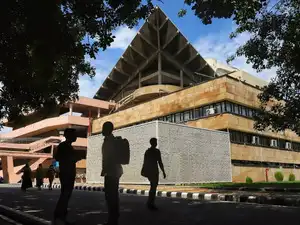
The Indian Institute of Technology Delhi (IIT Delhi) remained the country’s highest-ranked institution, securing the 66th position in Asia. Despite its leading national position, the university slipped in the latest rankings.
India’s performance also highlighted an important strength in research output relative to academic staff, an area in which the country performed well compared with other Asian nations.
India Expands Its Presence in QS Asia University Rankings
The addition of 34 universities takes India’s total representation in the QS Asia University Rankings 2027 to 325 institutions. This wider participation reflects the increasing visibility of Indian universities in an increasingly competitive regional higher education landscape.
The rankings provide a comparative assessment of universities across Asia, helping students, academics and institutions understand how higher education providers perform against regional peers.
India’s growing representation is significant because it indicates that the country’s university ecosystem extends beyond a relatively small group of established institutions. A larger number of universities appearing in international rankings can also increase the visibility of different academic institutions and research centres.
However, the number of universities included in a ranking should be considered separately from the performance of individual institutions. While India’s overall presence has expanded, the decline among its six leading universities points to continuing challenges at the top of the rankings.
IIT Delhi Remains India’s Highest-Ranked University
The Indian Institute of Technology Delhi retained its position as India’s highest-ranked university in the QS Asia University Rankings 2027. It secured the 66th position in the regional ranking, although its position declined compared with the previous edition.
IIT Delhi’s performance is particularly important because the institution remains one of India’s prominent centres for engineering, technology, scientific research and higher education.
Its continued position at the top among Indian institutions demonstrates its standing in the country’s academic landscape. However, the fall in its regional position also highlights the competitive environment in which leading Asian universities operate.
Top Six Indian Universities Experience Ranking Declines
Despite India’s wider representation, its six leading institutions recorded declines in their rankings. This creates a contrast between the country’s expanding participation and the performance of its most prominent universities.
Ranking positions can change because of differences in institutional performance, research activity, academic reputation and other assessment indicators. Universities across Asia are also competing to improve their academic and research profiles, making it increasingly challenging for established institutions to maintain their positions.
The available information identifies IIT Delhi as India’s highest-ranked institution at 66th place but does not provide the individual positions or ranking changes of all six leading Indian universities. Those figures should therefore be considered separately when assessing the performance of each institution.
India Shows Strength in Research Output
One area where India demonstrated a notable strength was research output relative to academic staff. The country performed well against other Asian nations on this measure, highlighting the research contributions of its higher education institutions.
Research productivity is an important part of university performance because it reflects the ability of academic institutions to contribute to scientific knowledge, innovation and new technologies.
Strong research output can also support collaboration with international universities, attract research funding and create opportunities for students and faculty members. For India, maintaining this strength could help institutions improve their academic standing and strengthen their contribution to global research.
However, research output is only one aspect of university performance. Institutions also need to focus on teaching quality, international collaboration, academic reputation and the broader student experience to remain competitive in regional rankings.
What the QS Asia Rankings Mean for Indian Higher Education
India’s addition of 34 universities to the QS Asia University Rankings 2027 represents a wider international presence for the country’s higher education sector. It provides greater visibility to institutions beyond the most established universities and reflects the breadth of India’s academic ecosystem.
At the same time, the decline among the country’s top six institutions highlights the need for continued improvements in academic performance and international competitiveness. Maintaining strong research output while strengthening teaching, institutional reputation and global partnerships will remain important for Indian universities.
For students, the rankings offer one reference point when comparing universities across Asia. However, students should also examine course quality, faculty expertise, placement opportunities, research facilities, fees and campus infrastructure before choosing an institution.
India’s performance in the 2027 rankings therefore presents two developments: a growing number of universities gaining regional recognition and a need for its leading institutions to strengthen their positions. How universities respond to these challenges will shape India’s standing in the increasingly competitive Asian higher education sector.
For breaking news and live news updates, like us on Facebook or follow us on Twitter and Instagram. Read more on Latest Education on thefoxdaily.com.






COMMENTS 0