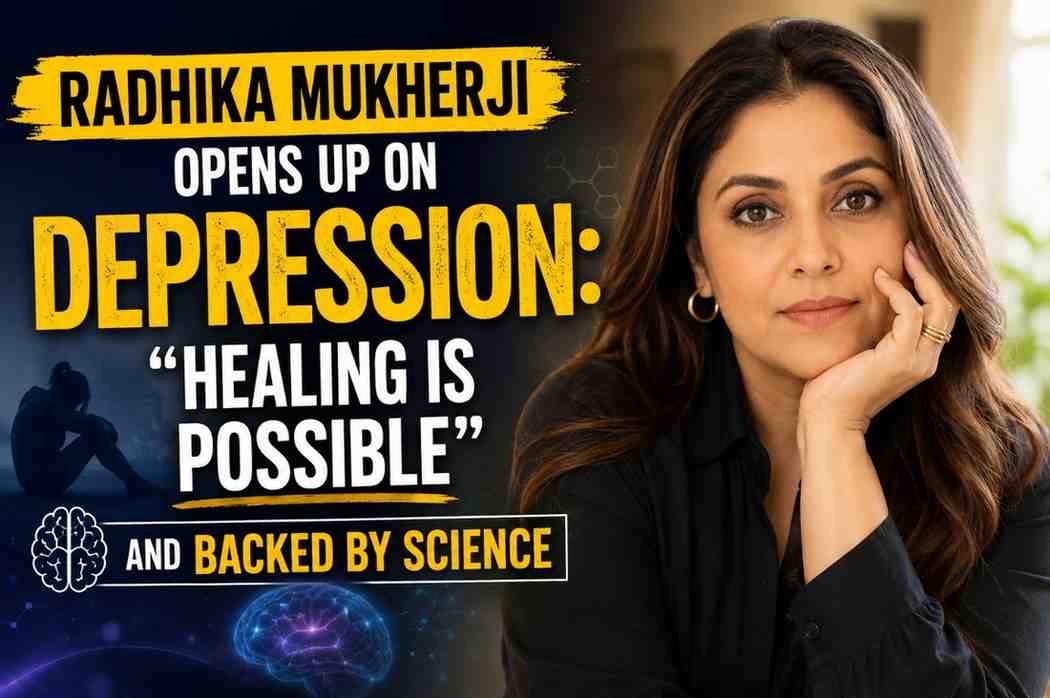
Who: Radhika Mukherji, wife of singer Shaan. What: Her candid reflection on battling depression and finding healing. When: Shared during a recent public conversation on Mental Health. Where: Within the context of personal experience and public discourse in India. Why: To highlight that recovery from depression is possible. How: Through emotional support, self awareness, and gradual rebuilding of mental well being.
Introduction: When Personal Stories Change Public Conversations
Discussions around depression often remain clinical, distant, and difficult to relate to. But when someone shares a lived experience honestly and without filters it changes the tone entirely. Radhika Mukherji’s statement, “healing was possible,” does exactly that. It transforms depression from an abstract condition into a human journey.
Her reflection is not just about struggle; it is about recovery, hope, and the quiet, often invisible work of rebuilding oneself after emotional exhaustion.
Understanding Depression Beyond the Surface
Depression is frequently misunderstood as just sadness. In reality, it is a complex mental health condition that affects thoughts, emotions, and physical functioning.
Common symptoms include:
- Persistent low mood or emptiness
- Loss of interest in daily activities
- Fatigue and low energy
- Difficulty concentrating
- Sleep disturbances
Expert Insight: Depression is not a sign of weakness it is often linked to a combination of biological, psychological, and environmental factors.
Radhika Mukherji’s Experience: Why It Resonates
What makes her reflection powerful is its relatability. She emphasizes that healing did not happen instantly it was gradual, layered, and required consistent effort.
Her journey highlights three critical truths:
- Recovery is not linear
- Support systems matter deeply
- Self-acceptance is a turning point
This aligns with modern psychological understanding that healing is a process, not an event.
The Science of Healing: What Research Says
Scientific research in psychology and neuroscience supports the idea that recovery from depression is possible.
1. Neuroplasticity
The brain has the ability to reorganize itself. With therapy, positive habits, and supportive environments, neural pathways linked to negative thinking can change.
2. Cognitive Behavioral Therapy (CBT)
One of the most effective treatments, CBT helps individuals identify and reframe negative thought patterns.
3. Role of Social Support
Studies consistently show that people with strong emotional support systems recover faster and more sustainably.
4. Lifestyle Interventions
Regular physical activity, sleep regulation, and nutrition significantly impact mental health recovery.
Key Insight: Healing is both psychological and biological it involves the mind and the brain working together.
Stages of Emotional Recovery
While every journey is unique, many people move through similar phases during recovery:
| Stage | What It Feels Like | What Helps |
|---|---|---|
| Awareness | Recognizing something is wrong | Acceptance, seeking help |
| Struggle | Emotional ups and downs | Therapy, support systems |
| Adjustment | Learning coping mechanisms | Routine, self care |
| Recovery | Improved emotional balance | Consistency, reflection |
| Growth | Stronger sense of self | Purpose, resilience building |
This framework shows that healing is progressive even when it feels slow.
The Role of Support Systems
One of the most important aspects highlighted in Radhika Mukherji’s reflection is the importance of support.
Support systems can include:
- Family and close friends
- Mental health professionals
- Peer support groups
Expert Perspective: Emotional validation simply being heard without judgment can significantly reduce psychological distress.
Why Talking About Depression Matters
In many societies, mental health is still stigmatized. Public conversations like this help normalize seeking help.
Benefits of open dialogue include:
- Reducing stigma
- Encouraging early intervention
- Helping others feel less alone
Insight: Visibility leads to acceptance, and acceptance leads to healing.
Comparison: Silence vs Expression in Mental Health
| Approach | Impact on Mental Health |
|---|---|
| Silence | Isolation, worsening symptoms |
| Expression | Relief, connection, recovery support |
This simple comparison highlights why sharing experiences can be transformative.
Real-World Impact: Why This Story Matters Now
Depression is increasingly common, especially in fast paced, high pressure environments. Stories like Radhika Mukherji’s serve as reminders that:
- Anyone can experience depression
- Recovery is achievable
- Seeking help is a strength, not a weakness
Her message is particularly important in a time when mental health challenges are rising globally.
Unique Angle: Healing as Identity Rebuilding
One often overlooked aspect of recovery is identity. Depression can distort how individuals see themselves reducing confidence, purpose, and self-worth.
Healing, therefore, is not just about feeling better it is about rebuilding identity.
This includes:
- Rediscovering personal strengths
- Reconnecting with passions
- Creating new meaning in life
Insight: True recovery is not returning to who you were it is becoming someone stronger and more self-aware.
Prediction: The Future of Mental Health Awareness
As more public figures and individuals share their experiences, mental health conversations are likely to evolve in three ways:
- Greater acceptance of therapy and counseling
- Increased focus on preventive mental health care
- Integration of mental wellness into everyday lifestyle
This shift could fundamentally change how society approaches emotional well-being.
Conclusion: A Message of Hope Backed by Science
Radhika Mukherji’s statement “healing was possible” is both deeply personal and universally relevant.
It aligns with scientific understanding, psychological research, and real world experiences of recovery.
Final Insight: Depression may alter the path, but it does not define the destination.
With the right support, awareness, and effort, healing is not just possible it is achievable.
For breaking news and live news updates, like us on Facebook or follow us on Twitter and Instagram. Read more on Latest Lifestyle on thefoxdaily.com.






COMMENTS 0