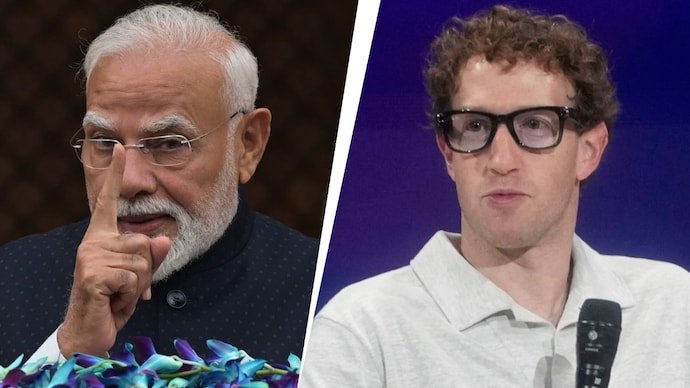
India‘s government held a high-level meeting with Meta executives after the temporary removal of Prime Minister Narendra Modi‘s Facebook video and ongoing concerns over child sexual exploitative and abuse material on the company’s platforms. The discussions reflected growing regulatory scrutiny over how large social media companies moderate content, respond to government concerns, and balance automated enforcement with public accountability.
Government Raises Multiple Concerns During 45-Minute Meeting
A high-level meeting between officials from India’s Ministry of Electronics and Information Technology (MeitY) and Meta representatives focused on two major issues: the brief removal of Prime Minister Narendra Modi’s Facebook video and concerns over the presence of child sexual exploitative and abuse material (CSAM) on Meta-owned platforms.
The discussions lasted around 45 minutes and were led by IT Ministry Secretary S. Krishnan on behalf of the government. Meta’s delegation was headed by Chief Global Affairs Officer Joel Kaplan and included Vice President Neil Potts, Senior Director Rafael Frankel, Aman Jain, and Priya Srinivasan.
According to sources, the meeting examined the circumstances surrounding the removal of the Prime Minister’s video, Meta’s compliance with government expectations, and broader concerns about inappropriate content circulating on Facebook and Instagram.
Why Was PM Modi’s Facebook Video Removed?
The government questioned Meta over the temporary removal of a selfie-style Facebook video posted by Prime Minister Narendra Modi. The video was later restored after being unavailable for a brief period.
Meta previously described the removal as a technical error and issued an apology for the incident. During Wednesday’s meeting, company officials explained the reasons behind the mistaken takedown to government representatives.
The video had attracted attention because it marked Prime Minister Modi’s first direct outreach to younger audiences during Protests linked to alleged examination paper leaks.
Although Meta restored the content and apologised, the government sought further clarification regarding how such an error occurred and whether the company’s automated systems or internal moderation processes contributed to the incident.
Parliamentary Committee Adds Pressure on Meta
The meeting took place amid increased political and regulatory attention on Meta’s handling of the issue.
According to the available information, the Parliamentary Standing Committee on Information Technology sought an apology from Meta Chief Executive Officer Mark Zuckerberg within three days regarding the temporary removal of the Prime Minister’s video. The committee also raised the possibility of legal consequences relating to the company’s intermediary protections if concerns were not addressed.
The issue has brought renewed attention to the responsibilities of major digital platforms operating in India and the expectations placed on them when handling content involving elected public officials.
Understanding Safe Harbour Protection
One of the issues discussed in the broader debate is the concept of safe harbour, a legal framework that generally protects online intermediaries from being held directly liable for third-party content posted by users, provided they comply with applicable laws and regulatory obligations.
These protections allow platforms to host billions of pieces of user-generated content without automatically becoming legally responsible for every post. However, governments may question whether platforms continue to qualify for those protections if they fail to meet legal requirements or regulatory expectations.
The discussion surrounding Meta highlights how questions about content moderation can sometimes intersect with broader legal and policy debates over intermediary responsibility.
Child Sexual Abuse Material Also Featured Prominently
The Prime Minister’s video was not the only subject discussed during the meeting.
The government also raised concerns over child sexual exploitative and abuse material appearing on Meta-owned platforms, particularly Instagram.
According to the available information, the company has already been under regulatory scrutiny after authorities identified CSAM appearing in paid advertisements on Instagram. The government reportedly issued a notice to Meta over the matter last month.
Content involving child sexual exploitation is among the highest-priority enforcement categories for digital platforms worldwide. Governments generally expect companies to identify, remove, and report such material using a combination of automated detection systems, human review, and cooperation with law enforcement agencies.
Why CSAM Moderation Is Particularly Sensitive
Unlike many forms of online content moderation that may involve subjective judgments, child sexual abuse material is widely treated as illegal and requires rapid enforcement.
Platforms typically invest heavily in technologies designed to detect known abusive content, prevent its redistribution, and remove newly identified material as quickly as possible.
Even so, regulators across multiple countries continue to examine whether technology companies are doing enough to prevent such material from appearing or being promoted through their services.
The issue therefore represents both a public safety concern and a significant compliance challenge for large social media companies.
Government Seeks Clarity on Algorithmic Decisions
Sources indicated that the government remained dissatisfied with Meta’s initial explanation regarding the removal of the Prime Minister’s video.
As a result, Meta’s global team was reportedly asked to provide additional clarification concerning possible algorithmic bias and the internal processes responsible for content moderation decisions.
Large social media platforms increasingly rely on automated systems to identify spam, harmful content, copyright violations, misinformation, and policy breaches. While automation enables companies to process enormous volumes of content, it can also result in mistaken removals or enforcement errors.
When such errors involve public figures, government communications, or widely viewed content, they often receive greater public attention and trigger demands for greater transparency.
Legal Action Over Alleged Morphed and AI-Generated Posts
The developments surrounding the meeting come alongside separate legal proceedings involving allegedly morphed and AI-generated posts targeting Prime Minister Modi during the student protests.
According to the available information, cases have been registered against Meta India’s head Arun Srinivas and certain accounts in connection with those alleged posts.
The article’s available information does not specify the current legal status of those cases, and authorities have not publicly detailed the outcome.
Why This Meeting Matters
The discussions illustrate the increasingly close scrutiny that governments are applying to major technology companies regarding content moderation practices.
The issues raised extend beyond a single video removal and touch upon broader questions, including:
- How platforms detect and remove content.
- How quickly mistakes are corrected.
- How transparent moderation systems are.
- Whether companies adequately address illegal content.
- How governments and platforms communicate during disputes.
As social media platforms become central channels for public communication, even temporary moderation errors involving government leaders can generate significant political and regulatory attention.
Balancing Automation and Human Oversight
The incident also highlights one of the biggest operational challenges facing global technology companies.
Billions of posts, videos, comments, and images are uploaded across large social media platforms every day. Automated systems are essential for processing this volume of content, but no automated system is entirely free from errors.
Platforms therefore face the difficult task of balancing rapid enforcement against harmful content while minimizing incorrect removals that affect legitimate speech.
Governments, meanwhile, increasingly expect companies to explain how those systems operate and how mistakes are corrected when they occur.
Timeline of Key Developments
| Event | Development |
|---|---|
| PM Modi uploads outreach video | Selfie-style Facebook video aimed at younger audiences is published. |
| Video temporarily removed | The video briefly disappears from Facebook before later being restored. |
| Meta responds | The company apologises and attributes the removal to a technical error. |
| Government scrutiny increases | Authorities seek further clarification regarding the removal and broader moderation practices. |
| High-level meeting held | Government officials and Meta executives discuss the incident, CSAM concerns, and compliance issues during a 45-minute meeting. |
What Could Happen Next?
The immediate outcome of the meeting was a detailed exchange between government officials and Meta executives regarding the issues raised. The available information does not indicate that any new regulatory action was announced following the discussions.
Looking ahead, the next developments will likely depend on how regulators assess Meta’s explanations, whether additional information is requested, and how the company addresses concerns surrounding both content moderation and the detection of illegal material on its platforms.
More broadly, the meeting reflects an ongoing trend in which governments expect greater transparency from digital platforms about how automated moderation systems function, how enforcement mistakes occur, and what safeguards exist to prevent similar incidents in the future.
Broader Significance for Digital Platforms
The meeting underscores that content moderation has become one of the defining policy issues for large technology companies. Decisions made by automated systems can affect political communication, public trust, user safety, and regulatory relationships simultaneously.
For Meta, the discussions demonstrate that governments are evaluating not only how quickly the company responds when mistakes occur but also how effectively it prevents serious forms of harmful content such as child sexual exploitative and abuse material. As regulatory expectations continue to evolve, the company’s moderation practices are likely to remain under close public and official scrutiny.
For breaking news and live news updates, like us on Facebook or follow us on Twitter and Instagram. Read more on Latest India on thefoxdaily.com.






COMMENTS 0