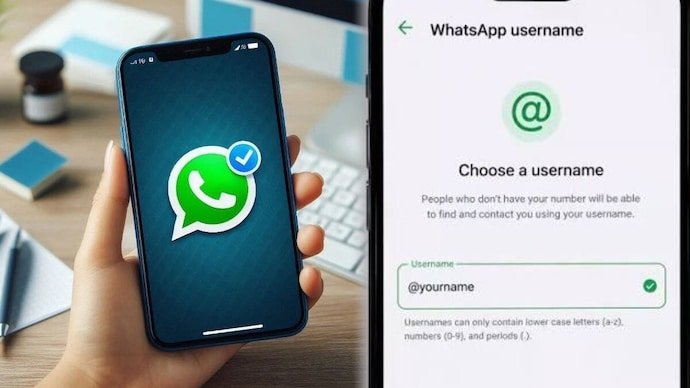
The proposed WhatsApp username feature, one of the platform’s most anticipated privacy-focused updates, has encountered regulatory hurdles in India. The Ministry of Electronics and Information Technology (MeitY) has granted Meta-owned WhatsApp an additional three days to respond to official questions regarding the security implications of allowing users to communicate without revealing their mobile numbers.
While the feature is designed to improve user privacy, Indian authorities fear it could unintentionally create new opportunities for scammers, cybercriminals, impersonators, and organized fraud networks. As a result, WhatsApp has agreed not to roll out usernames in India until discussions with the government conclude.
The development highlights India’s increasingly proactive approach toward regulating major digital platforms while balancing user privacy, Cybersecurity, and accountability under the Information Technology Act.
Why WhatsApp Wants to Introduce Usernames
For years, WhatsApp has required every account to be linked directly to a mobile phone number. While this system simplifies identity verification, it also forces users to reveal their personal numbers whenever they message someone new.
The proposed username system aims to solve that problem.
Instead of sharing a phone number, users would be able to connect using a unique username similar to platforms such as Telegram, Signal, Instagram, or X (formerly Twitter). This offers several privacy benefits, particularly for users interacting with strangers, businesses, online communities, or marketplace buyers.
The feature is expected to:
- Hide personal mobile numbers during conversations.
- Improve privacy for users joining public groups.
- Reduce unwanted phone number exposure.
- Allow easier connections without exchanging contact details.
- Support future Business and creator communication features.
Although the feature has been under development for months, Meta has clarified that every WhatsApp account will still require a verified phone number during registration. Usernames would only serve as an additional identity layer rather than replacing mobile verification.
Why the Indian Government Has Stopped the Rollout
Despite the privacy benefits, the Indian government believes the introduction of usernames could also create significant cybersecurity challenges if implemented without robust safeguards.
Officials are particularly concerned about the rapid rise in:
- Financial fraud
- Digital arrest scams
- Phishing attacks
- Identity theft
- Investment fraud
- Impersonation of government officials
- Customer support scams
Cybercrime complaints have surged across India over the past few years, with fraudsters increasingly exploiting encrypted messaging platforms to deceive victims.
Authorities fear that anonymous usernames could make it easier for criminals to:
- Create fake identities.
- Impersonate officials.
- Disappear after committing fraud.
- Target victims without exposing real phone numbers.
- Operate multiple scam accounts more efficiently.
Because of these concerns, MeitY issued an official notice asking WhatsApp to pause implementation until the company demonstrates how it plans to prevent abuse.
Timeline of the Government’s Action
| Event | Development |
|---|---|
| Government Notice | MeitY issues notice seeking explanation on username feature. |
| Initial Deadline | WhatsApp asked to respond by July 3. |
| Meeting with Officials | Meta representatives meet IT Ministry officials for discussions. |
| Extension Granted | Government gives WhatsApp three additional days. |
| Current Position | WhatsApp confirms usernames will not launch in India until consultations conclude. |
Meta’s Response to the Concerns
Meta has maintained that the username system is still under development and has not yet been launched globally.
According to the company, several safeguards are already planned before the feature becomes available.
These include:
- Mandatory phone number verification during account creation.
- Reserved usernames for verified public figures.
- Protection for government organizations.
- Reserved names for celebrities.
- Reserved usernames for verified Meta accounts.
- Blocking confusing lookalike usernames designed for impersonation.
The company argues that these protections should significantly reduce the possibility of identity fraud while allowing users to enjoy greater privacy.
However, Indian regulators appear to be seeking more detailed explanations about enforcement mechanisms, detection systems, reporting tools, and identity verification processes before approving deployment.
Why Usernames Are Becoming Standard Across Messaging Apps
WhatsApp is actually one of the last major messaging platforms that still depends almost entirely on mobile numbers.
Several competitors already offer username-based communication.
| Platform | Uses Usernames | Phone Number Required |
|---|---|---|
| Coming Soon | Yes | |
| Telegram | Yes | Yes (registration) |
| Signal | Yes | Yes |
| Yes | No | |
| X (Twitter) | Yes | No |
| Discord | Yes | No |
The growing popularity of usernames reflects increasing consumer demand for privacy while interacting online.
However, these platforms have also experienced issues involving fake accounts, impersonation, spam, and phishing, illustrating why regulators remain cautious.
India’s Growing Focus on Digital Safety
The government’s response to WhatsApp fits into a broader effort to strengthen cybersecurity across India’s rapidly expanding digital ecosystem.
India is now one of the world’s largest digital economies, with hundreds of millions of citizens relying daily on messaging platforms, Digital Payments, online banking, and e-commerce.
As digital adoption has accelerated, cybercrime has also become increasingly sophisticated.
Authorities have repeatedly warned citizens about scams involving:
- Fake police officers.
- Fraudulent government agencies.
- Income tax notices.
- Investment opportunities.
- Crypto schemes.
- Job offers.
- Customer care impersonation.
Many of these scams begin on messaging platforms before moving victims toward financial transactions.
This explains why regulators want stronger preventive measures before introducing new identity systems that could complicate investigations.
Government Also Questions Telegram and Signal
The scrutiny has not been limited to WhatsApp.
Following the notice issued to Meta, the IT Ministry also sought information from Telegram and Signal regarding their existing username systems.
Officials reportedly requested details about:
- Identity verification.
- Fraud prevention.
- Impersonation safeguards.
- User reporting mechanisms.
- Law enforcement cooperation.
This indicates that the government’s objective extends beyond a single platform and could eventually influence industry-wide standards for username-based communication services operating in India.
Balancing Privacy and Accountability
The debate illustrates one of the biggest challenges facing digital platforms worldwide.
Users increasingly expect greater privacy online, while governments seek sufficient accountability to investigate crimes and protect citizens.
Phone numbers provide one layer of traceability, even if they are not foolproof.
Usernames improve convenience and reduce unnecessary exposure of personal information, but they can also introduce new complexities if fake identities proliferate.
The ideal solution likely involves combining both approaches:
- Verified phone numbers behind every account.
- Public usernames for privacy.
- Advanced AI-powered fraud detection.
- Stronger account verification.
- Rapid reporting systems.
- Effective cooperation with law enforcement.
Finding this balance will be crucial for platforms operating in large digital markets like India.
What This Means for WhatsApp’s 500 Million Indian Users
India remains WhatsApp’s largest market, with an estimated 500 million users depending on the platform for personal communication, business messaging, education, healthcare, and commerce.
For users, the immediate impact is straightforward:
- No username rollout is expected in India for now.
- Phone numbers will continue to remain the primary identity.
- Existing chats and accounts remain unaffected.
- The feature could still launch later after regulatory approval.
Businesses that were preparing for username-based customer support or marketing will likely have to wait until the consultation process is completed.
Industry Perspective: Regulation Is Becoming Part of Product Development
The delay also reflects a broader shift in how technology companies launch new features in major markets.
In the past, platforms often introduced updates globally before addressing regulatory concerns later. Increasingly, governments are demanding consultations before rollout, especially when new features involve identity, privacy, encryption, or financial security.
This trend is likely to continue as Artificial Intelligence, digital identity systems, and encrypted communication become central to everyday online interactions.
For technology companies, regulatory engagement is now becoming an essential part of product development rather than an afterthought.
Future Outlook: When Could WhatsApp Usernames Launch?
Meta has not announced a revised timeline for introducing usernames in India.
The additional three-day extension simply allows the company to provide a more comprehensive response to government concerns. Depending on the outcome of these discussions, authorities may approve the feature with additional safeguards, request further modifications, or continue consultations before granting permission.
Given India’s importance to WhatsApp’s global business, Meta is likely to prioritize compliance while working to preserve the feature’s privacy benefits.
Conclusion
The temporary pause on WhatsApp’s username feature represents more than a regulatory delay it reflects the growing challenge of balancing Digital Privacy with public safety in one of the world’s largest online populations.
While usernames promise a more private messaging experience by reducing the need to share personal phone numbers, Indian authorities want stronger assurances that the feature will not become another tool for cybercriminals exploiting unsuspecting users.
For now, WhatsApp users in India will continue relying on phone numbers while Meta and the government work toward a framework that supports both innovation and accountability. The outcome of these consultations could influence not only WhatsApp’s future in India but also how messaging platforms worldwide design privacy features for increasingly security-conscious digital markets.
For breaking news and live news updates, like us on Facebook or follow us on Twitter and Instagram. Read more on Latest India on thefoxdaily.com.






COMMENTS 0