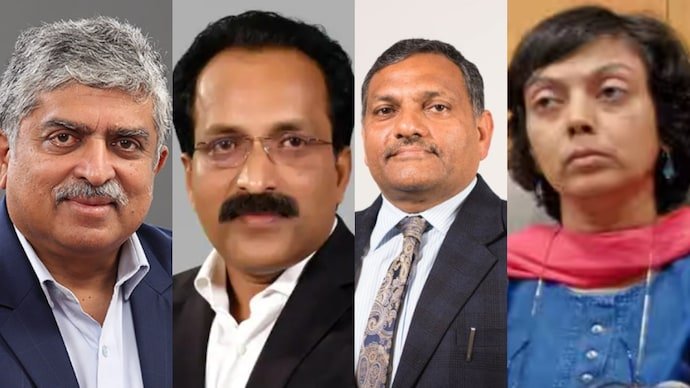
In a major step toward addressing recurring examination paper leaks and strengthening the credibility of India‘s competitive examinations, Prime Minister Narendra Modi has announced the formation of a six-member national task force to recommend comprehensive reforms across the country’s examination ecosystem.
The panel will be chaired by Technology entrepreneur and Infosys co-founder Nandan Nilekani and includes former ISRO Chairman S. Somnath, former Intelligence Bureau Director Tapan Deka, IIT Madras Director V. Kamakoti, former Education Secretary Anita Karwal, and senior IAS officer Amrit Lal Meena.
The multidisciplinary team has been tasked with examining every stage of the examination process—from question paper preparation and secure distribution to candidate verification, evaluation, and result declaration. Its recommendations are expected to shape the future of India’s public examination system while strengthening the National Testing Agency (NTA) and other recruitment agencies against organized examination fraud.
Why India Is Reforming Its Examination System
Competitive examinations are among the most important gateways to higher education and government employment in India. Every year, millions of students appear for entrance examinations, recruitment tests, board examinations, and professional certification exams.
However, repeated allegations of paper leaks, impersonation, organized cheating, digital fraud, and recruitment irregularities have raised serious concerns about examination integrity. Such incidents not only delay recruitment and admissions but also undermine the confidence of honest candidates who invest years preparing for these examinations.
The newly formed task force represents the government’s effort to introduce long-term structural reforms rather than relying solely on punitive action after irregularities occur.
At a Glance: India’s Six-Member Exam Reform Task Force
| Member | Background | Likely Area of Contribution |
|---|---|---|
| Nandan Nilekani | Infosys Co-founder & Aadhaar architect | Digital transformation and technology integration |
| S. Somnath | Former ISRO Chairman | Large-scale systems engineering and operational reliability |
| Tapan Deka | Former Intelligence Bureau Director | Security, fraud prevention, and risk assessment |
| V. Kamakoti | Director, IIT Madras | Academic reforms, AI, and examination technology |
| Anita Karwal | Former Education Secretary | Education policy and administrative reforms |
| Amrit Lal Meena | Senior IAS Officer | Governance, logistics, and implementation |
Nandan Nilekani to Lead Technology-Driven Examination Reforms
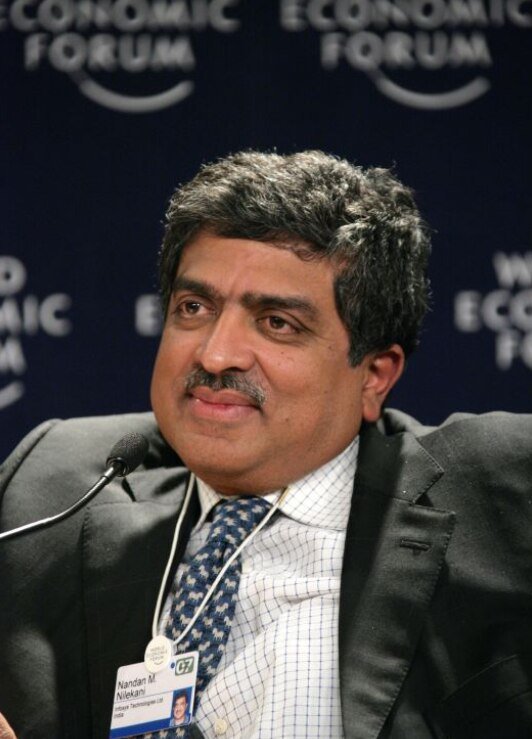
Heading the task force is Nandan Nilekani, one of India’s best-known technology leaders. Born on June 2, 1955, he studied at Bishop Cotton Boys’ School in Bengaluru and St. Joseph’s High School in Dharwad before earning a Bachelor of Technology in Electrical Engineering from IIT Bombay.
As the co-founder of Infosys and the founding chairman of the Unique Identification Authority of India (UIDAI), Nilekani played a pivotal role in creating Aadhaar, the world’s largest digital identity platform. His experience in designing secure, scalable digital infrastructure is expected to be central to the task force’s recommendations.
Experts believe his leadership could help introduce advanced technologies such as encrypted digital workflows, biometric verification, AI-assisted monitoring, blockchain-based audit trails, and secure cloud infrastructure to protect examination processes from end to end.
S. Somnath Brings Experience in Managing Complex National Missions
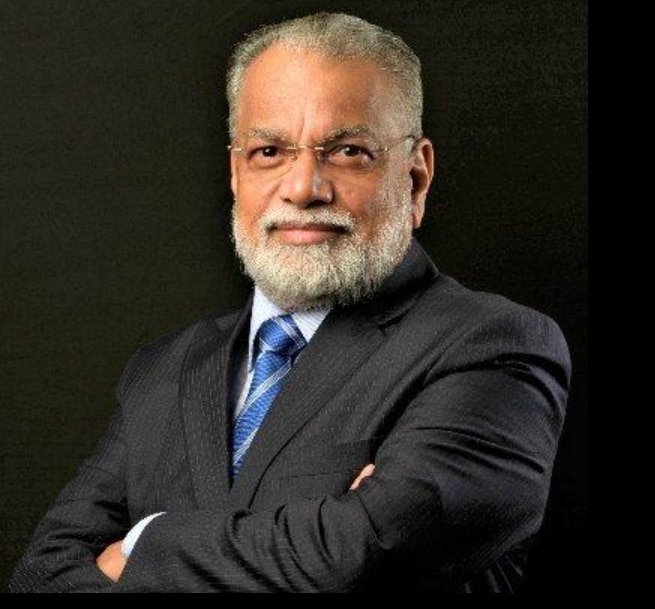
Former ISRO Chairman S. Somnath joins the panel with decades of experience in engineering, aerospace, and scientific project management.
Born in Kerala in 1963, Somnath completed his engineering education before pursuing advanced studies in aerospace engineering. During his tenure at ISRO, he supervised several major space missions involving thousands of engineers, complex logistics, and mission-critical systems where reliability and precision were essential.
His expertise in systems engineering, quality assurance, risk management, and operational planning is expected to help the task force design examination processes that minimize vulnerabilities while ensuring consistency across millions of candidates.
Tapan Deka to Strengthen Examination Security
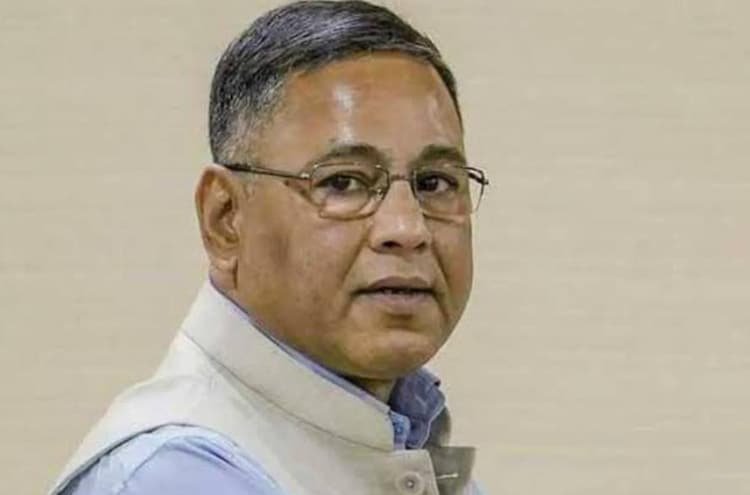
Security forms one of the most critical aspects of examination reform, making the inclusion of former Intelligence Bureau Director Tapan Deka particularly significant.
An Indian Police Service officer from the 1988 batch, Deka has spent decades working in intelligence, internal security, and counter-terrorism. His background provides valuable experience in identifying organized networks, assessing risks, and protecting sensitive operations.
Within the task force, his role is expected to focus on strengthening security protocols, identifying vulnerabilities in examination systems, improving intelligence coordination, and developing mechanisms to prevent organized examination fraud before it occurs.
V. Kamakoti Represents Academic Excellence and Emerging Technology
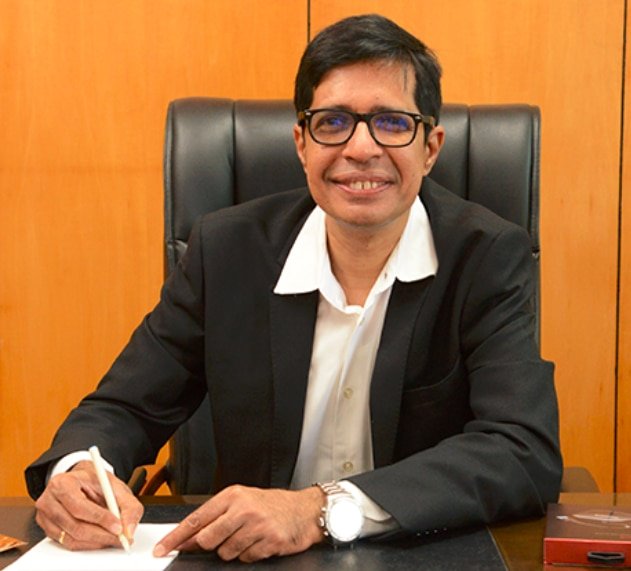
Professor V. Kamakoti, Director of IIT Madras, brings extensive expertise in computer science, Cybersecurity, Artificial Intelligence, and engineering education.
Having built his academic career at one of India’s premier engineering institutions, Kamakoti has worked extensively on advanced computing technologies and digital innovation.
His contribution is expected to include:
- Technology-enabled examination design.
- AI-assisted monitoring systems.
- Secure digital examination platforms.
- Modern assessment methodologies.
- Cybersecurity frameworks for examination agencies.
His academic perspective will also help ensure that technological reforms remain practical and student-friendly.
Anita Karwal Brings Education Policy Experience
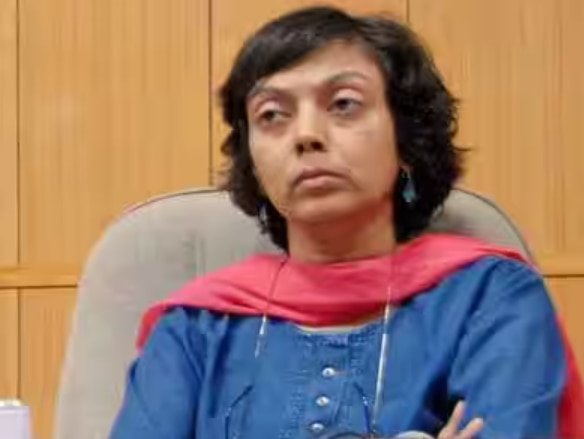
Former Education Secretary Anita Karwal contributes more than three decades of experience in educational administration and Public Policy.
A member of the 1988 Gujarat cadre of the Indian Administrative Service, Karwal has held several key positions related to school education and educational governance.
Her understanding of policy implementation, curriculum administration, and examination governance is expected to help bridge the gap between technological innovation and practical execution across India’s diverse education system.
She is also likely to contribute recommendations aimed at improving coordination between central and state examination authorities.
Amrit Lal Meena Adds Administrative and Operational Expertise
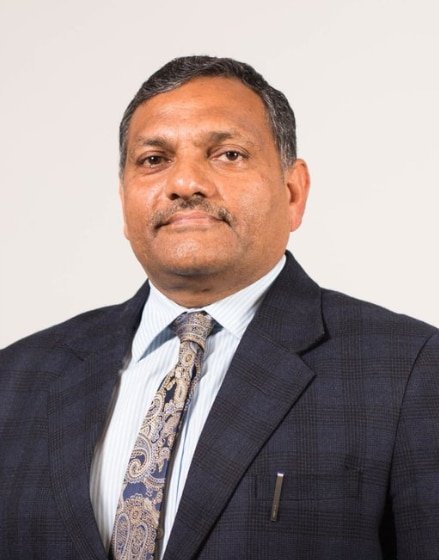
The sixth member of the panel, Amrit Lal Meena, is a senior IAS officer with extensive experience managing large government departments and complex administrative operations.
Throughout his public service career, Meena has held several senior leadership positions involving governance, logistics, infrastructure, and policy implementation.
Large-scale public examinations require coordination among numerous agencies, examination centers, logistics providers, security personnel, and digital systems. Meena’s administrative expertise is expected to assist in designing efficient implementation models capable of operating across India’s vast examination network.
What Reforms Could the Task Force Recommend?
Although the panel has not yet submitted its recommendations, its multidisciplinary composition suggests that reforms may focus on strengthening every stage of the examination lifecycle.
Potential areas of reform include:
- Encrypted digital transmission of question papers.
- AI-powered monitoring of examination centers.
- Biometric candidate authentication.
- Centralized digital audit systems.
- Enhanced cybersecurity for examination agencies.
- Standardized logistics and transportation protocols.
- Improved coordination between central and state authorities.
- Risk-based monitoring for sensitive examinations.
The objective is to build a system where security, transparency, and operational efficiency are integrated from the outset rather than added as corrective measures later.
Comparison: Traditional Examination Systems vs Technology-Driven Reforms
| Aspect | Traditional Approach | Technology-Driven Model |
|---|---|---|
| Question Paper Handling | Physical distribution | Encrypted digital transmission |
| Candidate Verification | Manual identity checks | Biometric authentication |
| Monitoring | Human invigilators | AI-assisted surveillance and analytics |
| Security | Multiple manual processes | Integrated cybersecurity systems |
| Audit Trail | Paper-based records | Digital tracking and real-time monitoring |
How the Task Force Complements Recent Government Measures
The creation of the task force follows several government initiatives aimed at strengthening examination integrity. The Prime Minister noted that measures such as stricter legal provisions against examination fraud and the establishment of fast-track courts are already being pursued.
While legal action addresses misconduct after it occurs, the newly formed panel has been tasked with preventing such incidents through structural improvements, technological innovation, and administrative reforms.
This dual approach seeks to combine stronger enforcement with better system design, reducing opportunities for organized malpractice.
Expert Insight: Why a Multidisciplinary Panel Matters
One of the most notable aspects of the task force is its diverse composition. Examination security today extends beyond education policy—it involves cybersecurity, digital infrastructure, logistics, intelligence, governance, engineering, and public administration.
Experts generally agree that paper leaks and organized examination fraud cannot be eliminated through a single reform. Instead, effective solutions require secure technology, robust operational processes, strong legal frameworks, continuous monitoring, and institutional accountability working together.
By bringing together experts from multiple disciplines, the government aims to create reforms that address both technological vulnerabilities and administrative challenges.
What Happens Next?
The task force is expected to conduct a comprehensive review of India’s examination ecosystem before submitting its recommendations to the government. Its work is likely to include consultations with examination agencies, educational institutions, cybersecurity experts, law enforcement authorities, and policymakers.
After reviewing the panel’s recommendations, the government may introduce administrative reforms, technology upgrades, policy changes, or legislative measures to strengthen examination systems across the country.
Future Outlook
The formation of this high-powered task force marks a significant step toward modernizing India’s examination infrastructure. As digital technologies continue to reshape education and governance, future examination systems are expected to become increasingly secure, transparent, data-driven, and resistant to organized fraud.
If implemented effectively, the panel’s recommendations could improve public confidence in competitive examinations, reduce the incidence of paper leaks, and establish stronger safeguards for millions of students and job aspirants who depend on fair and merit-based assessments every year.
Conclusion
India’s new six-member examination reform task force represents a strategic effort to address one of the most pressing challenges facing the country’s education and recruitment systems. Led by Nandan Nilekani and supported by experts from technology, space research, intelligence, academia, education policy, and public administration, the panel brings together a rare combination of expertise aimed at strengthening every stage of the examination process.
As the task force begins its work, students, educators, and recruitment agencies will closely watch its recommendations. By combining advanced technology with institutional reforms and stronger governance, the initiative has the potential to create a more transparent, secure, and trustworthy examination system that restores confidence in merit-based selection across India.
For breaking news and live news updates, like us on Facebook or follow us on Twitter and Instagram. Read more on Latest India on thefoxdaily.com.





COMMENTS 0