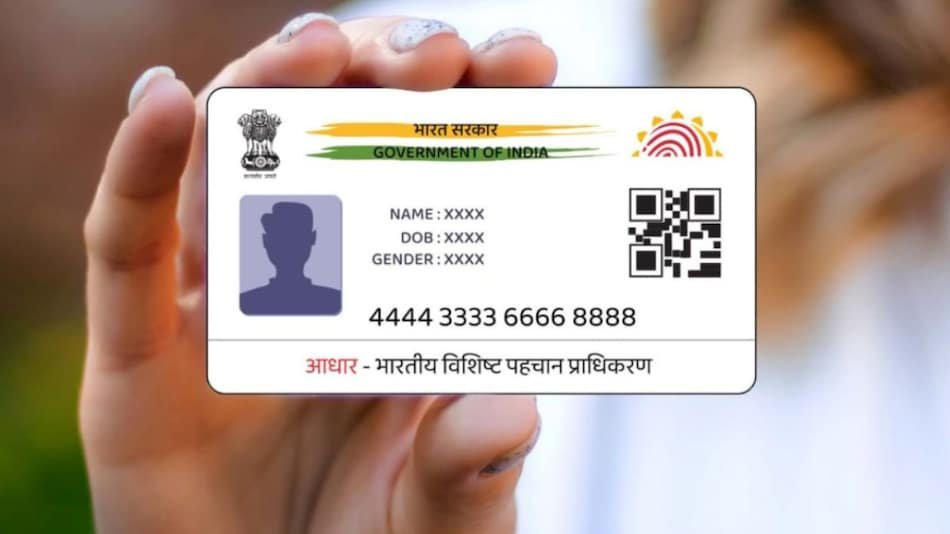
India‘s digital transformation story is often told through platforms like Aadhaar, UPI, DigiLocker, and India Stack. Together, these systems form the backbone of the country’s Digital Public Infrastructure (DPI), a model that has attracted attention from governments and policymakers around the world. Yet among these innovations, one platform has quietly transformed banking access for millions of people living in rural and underserved areas: the Aadhaar Enabled Payment System (AePS).
Developed by the National Payments Corporation of India (NPCI), AePS enables users to perform basic banking transactions using only their Aadhaar number and biometric authentication. It was initially introduced to improve the efficiency of government welfare payments and Direct Benefit Transfers (DBTs), but it has since evolved into a broader banking platform that supports cash withdrawals, balance inquiries, fund transfers, deposits, merchant payments, and more.
For a farmer in a remote village, a pensioner collecting benefits, or a small business owner without access to traditional banking infrastructure, AePS can serve as a lifeline. Instead of traveling long distances to a bank branch or ATM, users can access financial services through local banking correspondents equipped with micro ATMs.
This guide explains what AePS is, how it works, its key features, benefits, limitations, Security measures, and why it plays a crucial role in India’s financial inclusion journey.
What Is Aadhaar Enabled Payment System (AePS)?
The Aadhaar Enabled Payment System (AePS) is a bank-led payment and banking service developed by NPCI that allows customers to conduct financial transactions using their Aadhaar number and biometric authentication.
Unlike conventional banking systems that require debit cards, PINs, passwords, or smartphones, AePS uses Aadhaar-linked bank accounts and biometric verification such as fingerprints or iris scans to authenticate transactions.
The platform was originally designed to ensure that government subsidies and welfare benefits reached beneficiaries directly without leakages. Over time, however, its capabilities expanded significantly, enabling a wide range of banking services across India.
Today, AePS is considered one of the most important tools supporting financial inclusion, particularly in rural and semi-urban regions where access to traditional banking infrastructure remains limited.
Why Was AePS Introduced?
Before the emergence of digital public infrastructure, millions of Indians faced considerable challenges accessing banking services. Rural populations often had to travel long distances to reach bank branches or ATMs. Many lacked debit cards, internet access, or the digital literacy required to use online banking platforms.
At the same time, government welfare programs often suffered from inefficiencies, delays, and leakages during fund distribution.
AePS was introduced to address these challenges by:
- Improving access to banking services in rural areas
- Supporting Direct Benefit Transfer programs
- Reducing dependency on cash-based systems
- Eliminating intermediaries in welfare distribution
- Promoting financial inclusion
- Providing secure authentication through biometrics
The system became an important component of India’s broader strategy to bring every citizen into the formal financial ecosystem.
How Does Aadhaar Enabled Payment System Work?
The working process of AePS is designed to be simple and accessible, even for individuals with limited banking knowledge.
When a customer visits a Business Correspondent (BC), banking kiosk, or micro ATM location, they provide their Aadhaar number and select the desired transaction type. The system then verifies their identity using biometric authentication.
Once verified, the transaction is processed through NPCI’s secure network and reflected in the customer’s bank account.
| Step | Action |
|---|---|
| 1 | Customer provides Aadhaar number |
| 2 | Selects the bank account linked with Aadhaar |
| 3 | Chooses transaction type |
| 4 | Provides biometric authentication |
| 5 | NPCI validates the request |
| 6 | Transaction is completed and confirmation is generated |
The entire process typically takes only a few seconds and does not require a debit card, smartphone, or internet banking credentials.
Services Available Through AePS
Over the years, AePS has evolved from a welfare-distribution tool into a versatile banking platform offering multiple services.
1. Cash Withdrawal
Users can withdraw money from their Aadhaar-linked bank accounts through micro ATMs and banking correspondents without requiring an ATM card.
2. Balance Inquiry
Customers can instantly check the available balance in their bank account.
3. Mini Statement
AePS allows users to obtain a mini statement showing recent account transactions.
4. Cash Deposit
Many authorized banking outlets support cash deposits into Aadhaar-enabled bank accounts.
5. Fund Transfers
Money can be transferred between Aadhaar-linked accounts through participating banks.
6. Merchant Payments
Small businesses and local merchants can accept payments using BHIM Aadhaar Pay, enabling customers to pay using biometric authentication.
7. Insurance Premium Collection
Insurance providers can collect premiums from customers, particularly in rural areas, through AePS-enabled channels.
Requirements to Use AePS
To perform transactions through AePS, users must meet a few basic requirements.
- A valid Aadhaar number
- A bank account linked with Aadhaar
- Updated biometric information
- Access to an AePS-enabled banking correspondent or micro ATM
- Participation of the user’s bank in the AePS network
Once Aadhaar is linked with the bank account, it becomes an Aadhaar Enabled Bank Account (AEBA), making the user eligible for AePS services.
Key Benefits of Aadhaar Enabled Payment System
Financial Inclusion
Perhaps the biggest contribution of AePS is bringing banking services to underserved communities. It helps bridge the gap between urban banking infrastructure and rural populations.
Banking Without Debit Cards
Users do not need debit cards, PINs, or internet banking credentials. Aadhaar and biometrics are sufficient for most transactions.
Convenient Access
Banking correspondents bring financial services closer to people, reducing the need to travel long distances.
Support for Government Schemes
AePS strengthens the Direct Benefit Transfer ecosystem by enabling efficient delivery of subsidies, pensions, and welfare payments.
Reduced Transaction Costs
Customers can access basic banking services locally, saving both time and transportation expenses.
Ease of Use for Elderly Citizens
Many senior citizens find biometric authentication easier than remembering passwords or PINs.
AePS and India’s Financial Inclusion Revolution
The significance of AePS becomes clearer when viewed within the broader context of India’s financial inclusion efforts.
Over the past decade, initiatives such as Aadhaar, Jan Dhan Yojana, UPI, and Direct Benefit Transfers have collectively transformed how citizens interact with financial services.
AePS complements these initiatives by ensuring that opening a bank account is not the final step. Instead, it helps people actively use their accounts for everyday financial activities.
This distinction is important because true financial inclusion is not merely about account ownership but about meaningful access and usage.
AePS vs UPI: What’s the Difference?
Although both systems are managed by NPCI, AePS and UPI serve different purposes.
| Feature | AePS | UPI |
|---|---|---|
| Authentication | Biometric | PIN-based |
| Internet Requirement | Not mandatory | Required |
| Device Needed | Micro ATM | Smartphone |
| Target Users | Financial inclusion users | Digital payment users |
| Cash Withdrawal | Available | Limited |
While UPI dominates digital payments in urban India, AePS plays a vital role in extending banking access to populations with limited digital infrastructure.
Security Features of AePS
Security remains one of AePS’s strongest advantages.
Since transactions require biometric authentication, unauthorized access becomes significantly more difficult compared to card-based systems.
Key security mechanisms include:
- Fingerprint or iris-based authentication
- Secure Aadhaar verification
- Encrypted transaction processing
- NPCI monitoring systems
- Bank-level fraud detection frameworks
These layers work together to ensure secure and reliable transactions across the network.
Challenges and Limitations of AePS
Despite its success, AePS faces several operational challenges.
Biometric Authentication Issues
Manual laborers, farmers, and elderly individuals sometimes experience authentication failures due to worn fingerprints or age-related changes.
Connectivity Constraints
Micro ATM operations rely on telecommunications networks. Poor connectivity can delay transactions in remote areas.
Awareness and Literacy Gaps
Many eligible users remain unaware of the full range of services available through AePS.
Fraud Risks
Like any financial platform, AePS requires continuous monitoring to prevent misuse, identity theft, and social engineering scams.
The Future of Aadhaar Enabled Payment System
The future of AePS looks promising as India continues expanding its digital public infrastructure.
Industry experts believe future enhancements may include:
- Improved biometric technologies
- Stronger fraud detection systems
- Expanded merchant acceptance networks
- Better interoperability between financial services
- Integration with additional government programs
- Enhanced doorstep banking solutions
As digital inclusion becomes increasingly important, AePS is expected to remain a critical tool for extending financial services to every corner of the country.
Frequently Asked Questions (FAQs)
Can I withdraw cash without a debit card using AePS?
Yes. AePS allows users to withdraw cash using Aadhaar authentication and biometric verification without requiring a debit card.
Do I need to link Aadhaar with my bank account?
Yes. Aadhaar must be linked to your bank account before you can use AePS services.
Is AePS free to use?
Most basic AePS services are available without additional charges, though individual banks may have specific policies regarding certain transactions.
Can I use AePS without a smartphone?
Yes. AePS was specifically designed to work without smartphones and internet banking access.
Is AePS safe?
AePS uses biometric authentication and secure banking infrastructure, making it a highly secure banking access channel.
Conclusion
The Aadhaar Enabled Payment System has become one of the most impactful innovations in India’s Digital Banking ecosystem. By combining Aadhaar authentication, banking infrastructure, and local service delivery, AePS has helped millions access financial services that were once out of reach.
Its importance extends beyond simple transactions. AePS supports financial inclusion, strengthens welfare delivery, reduces dependence on physical banking infrastructure, and empowers citizens to participate more actively in the formal Economy. As India continues building one of the world’s most advanced digital public infrastructures, AePS is likely to remain a cornerstone of inclusive and accessible banking for years to come.
For breaking news and live news updates, like us on Facebook or follow us on Twitter and Instagram. Read more on Latest Technology on thefoxdaily.com.






COMMENTS 0