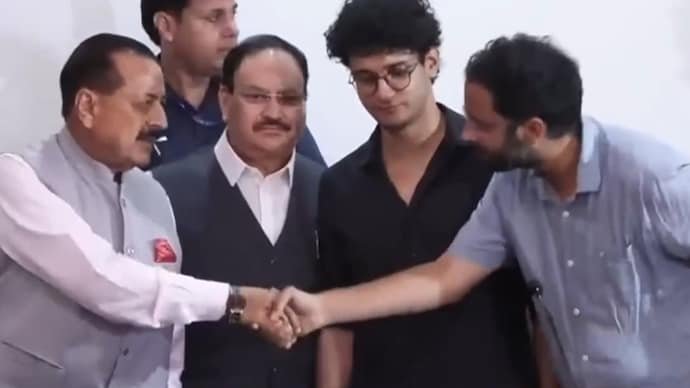
The conclusion of the Cockroach Janta Party (CJP)’s protest at Delhi’s Jantar Mantar marks a significant development in the aftermath of the NEET-UG 2026 controversy. After weeks of demonstrations, negotiations, and political pressure, the organization announced the withdrawal of its agitation following the resignation of Union Education Minister Dharmendra Pradhan and government assurances on several of its remaining demands.
While the end of the protest may reduce immediate political tensions, the larger story is far from over. The government’s commitments on withdrawing FIRs, examining education reforms, and providing compensation have shifted the focus from street protests to policy implementation. Whether these promises are fulfilled will shape public confidence in both the education system and the government’s response to one of India’s most debated examination controversies.
What Led to the End of the Protest?
The CJP launched its protest after the NEET-UG 2026 examination controversy sparked nationwide concern among students, parents, and education stakeholders. The demonstration, held at Delhi’s Jantar Mantar, continued for 49 days and became one of the most visible movements demanding accountability in the education sector.
Following multiple rounds of discussions between CJP representatives and senior government ministers, the organization announced that it would end its agitation in what it described as a gesture of good faith. The decision came after receiving assurances that several of its demands would be addressed within agreed timelines.
Rather than declaring complete victory, CJP leaders emphasized that the protest had been suspended based on trust that the government would implement its commitments.
Timeline of the Protest and Negotiations
| Event | Development |
|---|---|
| June 6, 2026 | CJP begins protest at Jantar Mantar. |
| Following weeks | Nationwide discussions continue over NEET-UG controversy. |
| Three negotiation rounds | CJP delegation meets government representatives. |
| Dharmendra Pradhan resigns | One of the protest’s primary demands is fulfilled. |
| Government assurances | Commitments made on FIRs, compensation, and reforms. |
| 49th day | CJP officially withdraws the agitation. |
The Three Core Demands Raised by CJP
The protest centered around three major demands that the organization argued were necessary to restore public confidence after the examination controversy.
- Resignation of Union Education Minister Dharmendra Pradhan.
- Withdrawal of FIRs and legal cases against protesters and organizers.
- Compensation for families affected by the NEET-related tragedy.
With the minister’s resignation and government assurances on the remaining issues, the organization decided to conclude its public demonstration while continuing to monitor implementation.
Government Assures Withdrawal of FIRs
One of the most significant outcomes of the negotiations was the government’s assurance that FIRs filed against protesters and organizers would be withdrawn. According to CJP leaders, the commitment extends beyond Delhi and includes cases registered in states governed by BJP or BJP-supported administrations.
The organization stated that it expects official documentation confirming these decisions within the timelines discussed during negotiations. Government representatives also reportedly assured the delegation that copies of relevant FIRs would be shared for transparency.
This assurance is viewed as an important confidence-building measure because legal proceedings often remain a source of concern even after public protests conclude.
Compensation for Affected Families
Compensation formed another major point during discussions between the two sides. CJP had demanded financial assistance of Rs 1 crore for families who lost loved ones following the NEET controversy.
According to statements made after the meeting, the government agreed to provide compensation in accordance with applicable rules and regulations. While the exact framework and eligibility criteria are yet to be formally announced, the assurance indicates that the issue will be examined through existing legal and administrative mechanisms.
The details of implementation, including timelines and procedures, will likely determine how effectively this commitment addresses the concerns raised by affected families.
Education Reform Charter Moves to the Next Stage
Beyond immediate demands, the protest also evolved into a broader discussion about the future of India’s examination system.
The CJP submitted a five-point education reform charter that reportedly focuses on improving examination security, transparency, accountability, and governance. Government representatives indicated that the proposals would be studied in detail, with another round of discussions expected in the coming weeks.
This shift is particularly important because it moves the conversation beyond a single examination controversy toward long-term structural reforms.
Why the Negotiations Matter
Many public protests conclude without formal dialogue or measurable commitments. In this instance, negotiations resulted in specific assurances on multiple issues, including legal action, compensation, and policy discussions.
The willingness of both sides to engage through structured talks may provide a framework for resolving future disputes involving large-scale public examinations.
However, negotiations alone do not resolve institutional challenges. Their success ultimately depends on whether commitments are translated into administrative action.
What Students and Parents Should Watch Next
Although the protest has ended, several important developments remain pending.
- Official orders regarding withdrawal of FIRs.
- Publication of compensation guidelines.
- Progress on education reform discussions.
- Implementation of examination security improvements.
- Future policy announcements affecting NEET and other competitive examinations.
Students and parents will likely judge the outcome not by announcements but by the speed and transparency with which these commitments are fulfilled.
Comparison: Protest Demands vs Government Response
| Demand | Government Position | Current Status |
|---|---|---|
| Minister’s resignation | Dharmendra Pradhan resigned. | Completed |
| Withdrawal of FIRs | Government agreed to withdraw cases. | Awaiting implementation |
| Compensation | Compensation to be provided under applicable rules. | Framework awaited |
| Education reforms | Charter accepted for further study. | Discussions ongoing |
A Bigger Lesson: Accountability Is Becoming Central to Education Policy
The conclusion of the protest highlights an important shift in India’s education landscape. Competitive examinations today are not only academic events but also matters of public trust. Students invest years preparing for these exams, and any disruption can have emotional, financial, and professional consequences.
The negotiations demonstrate that accountability now extends beyond investigating alleged irregularities. It also includes transparent communication, timely administrative action, meaningful engagement with stakeholders, and visible policy reforms.
This broader understanding of accountability could influence how future education-related crises are handled across the country.
What Could Change in the Future?
The government’s commitment to study broader education reforms creates an opportunity to strengthen India’s examination ecosystem.
Potential areas of focus may include improved digital examination systems, stronger cybersecurity, enhanced coordination among agencies, better monitoring of examination centers, faster investigation mechanisms, and greater transparency throughout the examination process.
If implemented effectively, these reforms could reduce the likelihood of similar controversies while restoring confidence among students and educational institutions.
Challenges That Still Remain
Despite the positive outcome of negotiations, several questions remain unanswered.
- When will official notifications be issued?
- How will compensation be determined?
- What reforms will ultimately be adopted?
- How quickly will promised measures be implemented?
- Will future examinations benefit from stronger safeguards?
The answers to these questions will determine whether the end of the protest represents a temporary political settlement or the beginning of meaningful institutional reform.
Conclusion
The withdrawal of the CJP’s Jantar Mantar protest marks the end of a significant chapter in the NEET-UG 2026 controversy. The resignation of Dharmendra Pradhan, government assurances on FIR withdrawals, discussions on compensation, and acceptance of an education reform charter collectively represent substantial developments.
However, the true measure of success will depend on implementation rather than announcements. As attention shifts from demonstrations to governance, students, parents, educators, and policymakers will closely monitor whether the promised reforms translate into lasting improvements in India’s examination system. If fulfilled effectively, the commitments made during these negotiations could strengthen transparency, accountability, and public trust for years to come.
For breaking news and live news updates, like us on Facebook or follow us on Twitter and Instagram. Read more on Latest India on thefoxdaily.com.






COMMENTS 0