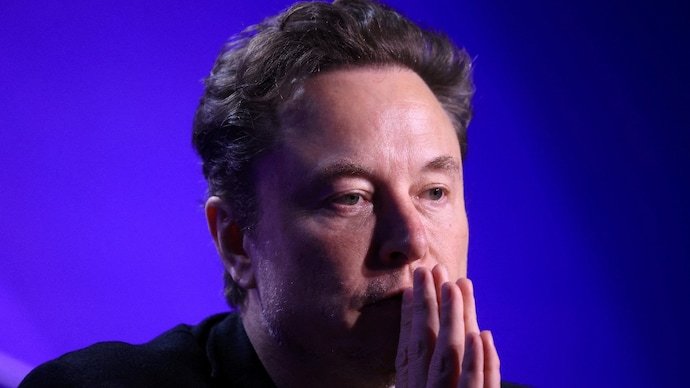
- The Past: Why Elon Musk Left South Africa
- The Present: What Musk Is Criticizing Today
- Understanding South Africa’s Policies: Reform or Discrimination?
- Two Competing Narratives
- The Starlink Factor: When Policy Meets Business
- The Mandela Legacy: A Shared Reference, Different Interpretations
- The Global Dimension: Why This Debate Isn’t Local
- The Missing Insight: Personal History Meets Political Identity
- Comparison: Apartheid vs Modern Policies
- Why Musk Keeps Talking About South Africa
- Future Outlook: Where Does This Debate Go Next?
- Conclusion: A Debate Without Easy Answers
A Billionaire, a Birthplace, and an Unfinished Argument
Why does Elon Musk a tech billionaire who left South Africa at 17 and built his empire across North America continue to speak so intensely about the country he walked away from?
In recent months, Musk has repeatedly criticized South Africa’s policies, calling them “racist” and even labeling the system “Apartheid 2.0.” His statements have sparked global debate, drawing sharp reactions from political leaders, historians, and civil society groups.
This is not just a personal story. It sits at the intersection of history, economics, identity, and global politics.
To understand why Musk “can’t stop talking” about South Africa, we need to examine three layers: his past, the country’s present policies, and the broader ideological battle shaping the narrative.
The Past: Why Elon Musk Left South Africa
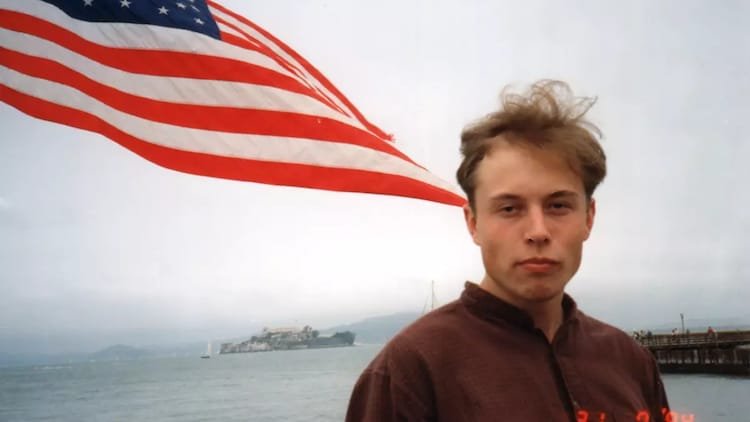
Elon Musk was born in Pretoria in 1971, during the height of apartheid a system of institutionalized racial segregation that privileged the white minority.
By the late 1980s, the system was under intense global and domestic pressure. Violence, protests, and international sanctions were escalating.
At the time, white South African males faced mandatory military conscription. Many were deployed in roles that enforced apartheid policies.
Musk has openly stated that he left in 1989 partly to avoid participating in that system.
His early life also included:
- Severe bullying during school years
- A complicated family environment
- A strong desire to pursue opportunities beyond South Africa
He moved first to Canada and later to the United States, where he built companies like PayPal, Tesla, and SpaceX.
Key Insight: Musk’s departure was not just geographical it was ideological. He left a system he viewed as unjust.
The Present: What Musk Is Criticizing Today
Decades later, Musk’s criticism focuses on modern South Africa’s race-based policies, particularly those aimed at addressing historical inequality.
His central claims include:
- South Africa has more race-based laws now than during apartheid
- Policies discriminate against non-Black citizens
- Violence against white farmers is underreported or ignored
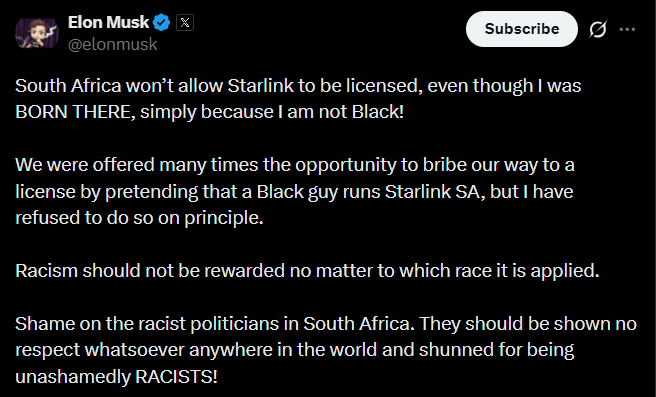
He has also linked these concerns to business challenges most notably regulatory barriers affecting his satellite internet venture.
These statements have amplified a global debate: Are these policies corrective justice or reverse discrimination?
Understanding South Africa’s Policies: Reform or Discrimination?
To evaluate Musk’s claims, it’s essential to understand the policies he is referring to.
Key Framework: Economic Redress
After the end of apartheid in 1994, South Africa introduced laws to address deep structural inequality.
Among the most prominent is Broad-Based Black Economic Empowerment (B-BBEE).
Its goals include:
- Increasing Black ownership in businesses
- Improving employment equity
- Expanding access to economic opportunities
Other policies include employment equity targets and sector-specific transformation requirements.
Why These Policies Exist
Under apartheid:
- The white minority controlled most land and wealth
- Black South Africans faced systemic exclusion
- Economic inequality became deeply entrenched
Post-1994 reforms aim to correct this imbalance.
Government Position: These measures are necessary to achieve long-term equality.
Critics’ View
Critics argue that:
- Policies are overly rigid and bureaucratic
- They create new forms of exclusion
- They may discourage investment and innovation
This is the space where Musk’s arguments resonate with some groups.
Two Competing Narratives
| Perspective | Core Argument |
|---|---|
| Government & Supporters | Policies are essential to fix historical injustice |
| Critics (including Musk) | Policies create new inequality and discrimination |
Both narratives draw from real concerns but emphasize different priorities.
The Starlink Factor: When Policy Meets Business
One major reason Musk remains vocal is practical not just ideological.
His satellite internet service, Starlink, has faced regulatory challenges in South Africa.
Telecom licensing rules tied to ownership and empowerment requirements have reportedly created barriers.
This transforms the debate from abstract policy into a direct business conflict.
Insight: When economic interests intersect with political ideology, rhetoric often intensifies.
The Mandela Legacy: A Shared Reference, Different Interpretations
Nelson Mandela envisioned a “Rainbow Nation” a society where all races coexist with equal dignity.
Musk frequently invokes this vision, arguing that current policies betray it.
However, South African leaders interpret Mandela’s legacy differently:
- They emphasize equality of outcomes, not just opportunity
- They argue that true non-racialism requires correcting past imbalances
This creates a philosophical divide:
Is equality about treating everyone the same today, or correcting unequal starting points?
The Global Dimension: Why This Debate Isn’t Local
This controversy extends far beyond South Africa.
It reflects a broader global debate about:
- Affirmative action policies
- Historical justice vs present-day fairness
- The role of race in public policy
Countries around the world are grappling with similar questions.
Musk’s global platform amplifies the issue, turning a national policy debate into an international conversation.
The Missing Insight: Personal History Meets Political Identity
One key factor often overlooked is the role of personal history.
Musk’s formative years were shaped by:
- Living under apartheid
- Rejecting participation in that system
- Leaving the country at a critical age
These experiences likely influence how he interprets current policies.
At the same time, his position as a global business leader adds another layer:
- He views systems through efficiency and scalability
- He prioritizes open markets and minimal barriers
This combination creates a unique lens one that is both personal and economic.
Comparison: Apartheid vs Modern Policies
| Aspect | Apartheid Era | Modern South Africa |
|---|---|---|
| Political Power | White minority rule | Democratic governance |
| Legal Framework | Enforced racial segregation | Affirmative action policies |
| Economic Control | Highly concentrated | Redistribution efforts ongoing |
| Global Status | Sanctioned and isolated | Integrated into global economy |
This comparison highlights a critical point: while both systems involve race-conscious policies, their intent, structure, and context differ significantly.
Why Musk Keeps Talking About South Africa
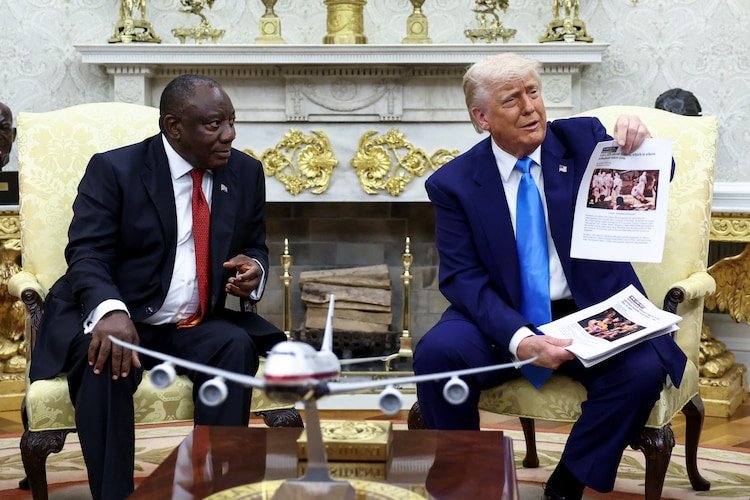
Bringing it all together, there are four key reasons:
1. Personal History
His early experiences continue to shape his worldview.
2. Ideological Beliefs
He strongly opposes policies based on race, regardless of intent.
3. Business Interests
Regulatory challenges directly affect his companies.
4. Global Influence
His platform allows him to shape international narratives.
Future Outlook: Where Does This Debate Go Next?
The conversation around South Africa’s policies is unlikely to fade.
Possible developments include:
- Continued legal and policy adjustments within South Africa
- Increased international scrutiny and debate
- Ongoing tension between investment and regulation
For Musk, the issue may remain a recurring theme especially as his business interests expand globally.
Conclusion: A Debate Without Easy Answers
The question of why Elon Musk keeps talking about South Africa doesn’t have a simple answer.
It is not just about one man or one country it’s about a deeper conflict between history and progress, fairness and redress, principle and practicality.
South Africa is still navigating the legacy of apartheid while trying to build a more equal future.
Musk, shaped by that past but operating in a global present, represents one side of that debate.
The truth likely lies somewhere in between where the need for justice meets the challenge of creating fairness for all.
And that is why the conversation continues.
For breaking news and live news updates, like us on Facebook or follow us on Twitter and Instagram. Read more on Latest World on thefoxdaily.com.






COMMENTS 0