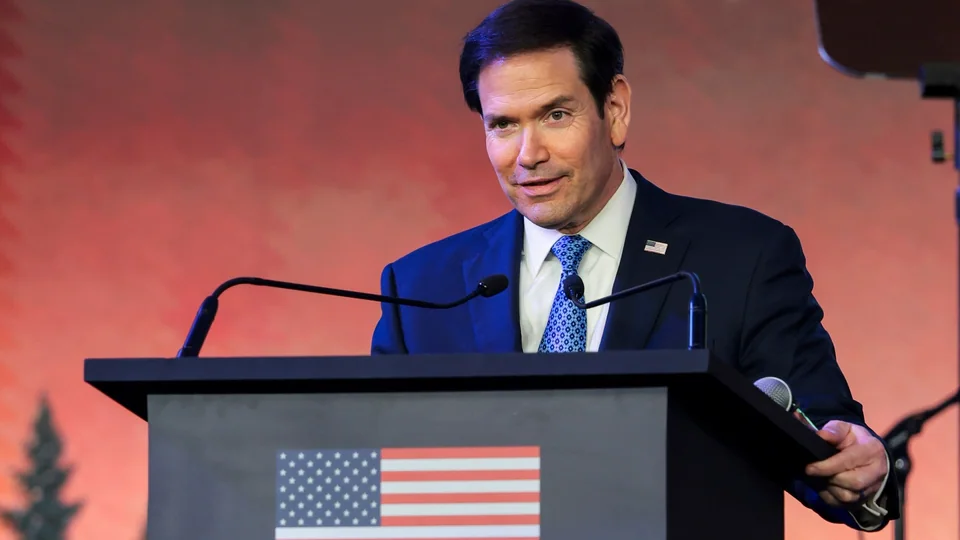
US Secretary of State Marco Rubio has described the latest Russia-Ukraine peace negotiations in Abu Dhabi as “very productive”, while emphasising that significant work remains before the four-year-old conflict can be resolved. Washington also wants European countries to eventually join the discussions, arguing that they will play an important role in securing a lasting settlement.
The first day of US-led negotiations between Russian and Ukrainian delegations concluded in the United Arab Emirates on Tuesday, with discussions scheduled to resume on Wednesday. The talks mark the first such direct negotiations between the two sides since February and are aimed at finding a way to end the war.
Speaking in Paris after the opening day of discussions, Rubio said the United States wanted to expand the existing negotiating format to include its European partners. His remarks indicate that Washington sees European participation as an important part of any long-term diplomatic solution.
Rubio Describes Abu Dhabi Peace Talks as ‘Very Productive’
Rubio characterised the opening round of negotiations as productive but acknowledged that the diplomatic process remains unfinished. The discussions brought Russian and Ukrainian representatives together in Abu Dhabi under US leadership, creating another opportunity to explore possible ways to end the fighting.
The talks lasted several hours on Tuesday. Their continuation on Wednesday suggests that the delegations have more issues to discuss as they examine the possibilities for a negotiated settlement.
Rubio’s assessment offers a positive description of the initial discussions, but it does not mean that Russia and Ukraine have reached an agreement. The available details do not identify specific breakthroughs, agreed terms or concessions made by either side.
The distinction is important because negotiations aimed at ending a prolonged war involve several difficult political, territorial and security questions. Even productive discussions can require multiple rounds before the participating countries reach common ground.
US Wants European Countries at the Negotiating Table
One of the key points in Rubio’s remarks was Washington’s intention to bring European countries into the broader diplomatic process. The current format involves the United States, Russia and Ukraine, but the American administration wants its European partners to participate in the negotiations eventually.
“We think the trilateral (format) should eventually include our European partners at the table as well, because they are a part of solving this problem for the long term,” Rubio said.
His comments suggest that the United States does not view the conflict as an issue that can be addressed through discussions between Washington, Moscow and Kyiv alone. European governments have significant interests in the war’s outcome and the wider security environment, making their involvement relevant to any lasting arrangement.
However, Rubio did not provide a timetable for expanding the negotiations or identify which European countries would participate. His remarks describe Washington’s goal for the future rather than confirming that European representatives will join the next round in Abu Dhabi.
Who Is Participating in the Abu Dhabi Negotiations?
The negotiations bring together delegations from Russia and Ukraine, with the United States playing a central role in facilitating the discussions.
US President Donald Trump’s son-in-law Jared Kushner and business associate Steve Witkoff are leading the American side of the discussions. Their involvement reflects the Trump administration’s direct engagement in efforts to bring the two countries towards a possible settlement.
Russian and Ukrainian representatives sat across the negotiating table during the first day of discussions. The format provides an opportunity for both sides to communicate their positions while the United States works to facilitate the diplomatic process.
The talks are scheduled to continue on Wednesday. The next round will be important in determining whether the initial discussions can produce further progress or whether major differences between Moscow and Kyiv remain obstacles to an agreement.
Why European Participation Matters in the Russia-Ukraine Peace Process
European involvement is an important consideration because the war has had consequences well beyond the borders of Russia and Ukraine. European countries have been closely involved in the wider diplomatic and security response to the conflict, while its outcome will influence the continent’s long-term security environment.
Any settlement would also need to address questions about the future relationship between Ukraine and European countries, as well as the broader security arrangements surrounding the region. This makes European governments relevant stakeholders in discussions about how a peace agreement could be implemented and maintained.
Rubio’s comments reflect the US position that European partners should eventually have a place in the negotiating process. Including them could provide a wider diplomatic framework for addressing concerns that extend beyond the immediate positions of Russia and Ukraine.
At the same time, expanding the format could introduce additional diplomatic considerations. Governments involved in the process may have different priorities and security concerns, meaning that broader participation would require coordination among several parties.
More Work Remains to End the Russia-Ukraine War
Despite describing the initial discussions as productive, Rubio made clear that the negotiations are far from complete. His remarks indicate that the United States recognises the complexity of reaching a settlement after more than four years of war.
The first day of talks represents a diplomatic development, but a positive assessment of the discussions should not be confused with a breakthrough. No final agreement or confirmed ceasefire arrangement was announced in the supplied details.
For a lasting settlement, the negotiating sides will need to address their differences and establish terms that can be accepted and implemented. The involvement of European partners could become an additional part of that process if Washington’s proposed expansion of the format moves forward.
The continuation of the Abu Dhabi talks on Wednesday will therefore be closely watched for signs of progress. Any concrete outcome will depend on the positions taken by Moscow and Kyiv and the ability of the United States to help bridge their differences.
What Happens Next in the Abu Dhabi Talks?
The Russian and Ukrainian delegations are expected to resume discussions in Abu Dhabi on Wednesday after completing the first round on Tuesday. The immediate focus remains on continuing negotiations and exploring possible ways to bring the conflict to an end.
Rubio’s statement also points to a wider diplomatic objective: moving beyond the current three-country format and eventually involving European partners. However, the timing and structure of such an expansion have not yet been announced.
For now, the negotiations remain an ongoing process rather than a concluded peace initiative. Rubio’s description of the talks as “very productive” provides an encouraging assessment of the opening discussions, while his acknowledgement that considerable work remains highlights the challenges ahead.
The next round of negotiations will offer a clearer indication of whether the initial discussions can translate into meaningful progress towards ending the Russia-Ukraine war.
For breaking news and live news updates, like us on Facebook or follow us on Twitter and Instagram. Read more on Latest World on thefoxdaily.com.






COMMENTS 0