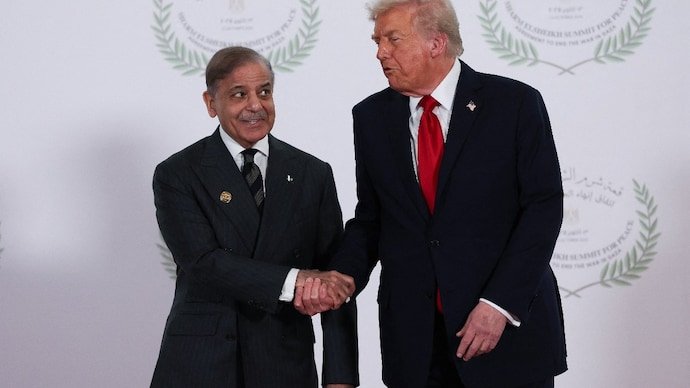
- A Diplomatic Surprise Few Saw Coming
- From Friction to Functionality: Resetting Ties with Washington
- The “Three C’s” Explained
- Why Pakistan Matters in the Iran Equation
- Transactional Diplomacy in Action
- Symbolism Meets Strategy
- The Economic Reality at Home
- Is This Diplomacy or Survival Strategy?
- Comparison: Pakistan’s Traditional vs Emerging Diplomatic Approach
- The Risks Behind the Opportunity
- What This Means for West Asia
- Conclusion: A Calculated Bet on Relevance
A Diplomatic Surprise Few Saw Coming
In global diplomacy, reputations tend to stick. Countries known for instability rarely become peacemakers overnight. Yet in 2026, Pakistan is doing exactly that quietly stepping into a role few expected: a mediator between the United States and Iran.
For a country that does not formally recognise Israel, has had turbulent relations with Washington, and faces serious economic challenges at home, this is a striking shift. But it didn’t happen by accident.
Behind this transformation lies a calculated strategy one that insiders have summed up in three words: Crypto, Critical Minerals, and counterterrorism. Together, these “three C’s” have helped Pakistan reposition itself in a rapidly changing geopolitical landscape.
The result? Islamabad is now hosting sensitive discussions and presenting itself as a bridge between rivals in one of the world’s most volatile regions.
From Friction to Functionality: Resetting Ties with Washington
Not long ago, relations between Pakistan and the United States were marked by deep mistrust. During his earlier presidency, Donald Trump publicly accused Pakistan of duplicity, setting the tone for a strained partnership.
Fast forward to today, and the dynamic looks very different.
Pakistan has adopted a more pragmatic, results-driven approach aligning its diplomacy with Trump’s preference for transactional deals over traditional alliances. Instead of broad promises, Islamabad focused on delivering specific outcomes that matter to Washington.
This shift reflects a key insight: in today’s geopolitical environment, influence often comes not from ideology, but from strategic utility.
The “Three C’s” Explained
The idea behind Pakistan’s outreach can be distilled into three pillars each designed to appeal directly to U.S. priorities.
1. Crypto: Positioning for the Digital Economy
Pakistan has signaled openness to engaging with emerging financial technologies, including cryptocurrency frameworks. While still evolving, this area represents an attempt to align with future-facing economic interests and attract international attention.
2. Critical Minerals: Tapping Strategic Resources
As global competition intensifies over resources essential for technology and energy transitions, Pakistan has highlighted its potential in critical minerals. By offering cooperation in this space, it positions itself as a valuable partner in Supply Chain diversification.
3. Counterterrorism: Delivering Immediate Value
This is perhaps the most tangible of the three. Pakistan has emphasized its role in security cooperation, including actions that align with U.S. counterterrorism objectives. These efforts serve as concrete proof of alignment, strengthening trust in a way rhetoric alone cannot.
Together, these elements form a cohesive strategy: offer what the other side values most.
Why Pakistan Matters in the Iran Equation
Pakistan’s emergence as a mediator is not just about improved ties with the United States it’s also about its unique position in the region.
Few countries can maintain working relationships with both Washington and Tehran. Pakistan is one of them.
Several factors make this possible:
- Geographic proximity: Sharing a border with Iran gives Pakistan direct stakes in regional stability
- Strategic neutrality: It has avoided taking extreme positions in Middle East conflicts
- Diplomatic flexibility: Its foreign policy allows engagement with multiple sides simultaneously
This combination gives Islamabad a rare advantage: it can talk to everyone without being fully aligned with any one bloc.
Transactional Diplomacy in Action
What sets this moment apart is not just Pakistan’s role but the style of diplomacy behind it.
Traditional diplomacy often emphasizes long-term partnerships and shared values. In contrast, transactional diplomacy focuses on immediate, tangible exchanges.
Pakistan’s approach fits neatly into this model:
- Deliver specific outcomes
- Highlight mutual benefits
- Build leverage through practical cooperation
This has allowed Islamabad to move quickly, adapting to shifting geopolitical dynamics without being constrained by legacy positions.
Symbolism Meets Strategy
Diplomacy is not just about actions it’s also about perception.
Pakistan has complemented its strategic moves with symbolic gestures that reinforce its outreach. These include public endorsements, high-profile praise, and participation in initiatives aligned with U.S. leadership narratives.
While such gestures may seem superficial, they play an important role in building rapport and signaling intent especially in a political environment where personal dynamics often shape policy decisions.
The Economic Reality at Home
Despite its growing diplomatic visibility, Pakistan faces significant challenges domestically.
The country is grappling with:
- Rising fuel costs and inflation
- Currency depreciation
- Dependence on external financial support
These pressures have been exacerbated by regional instability, particularly disruptions affecting energy supplies. With a large portion of its fuel imports passing through critical maritime routes, any tension in the region has immediate economic consequences.
This creates a powerful incentive for Pakistan to promote stability not just as a diplomatic goal, but as an economic necessity.
Is This Diplomacy or Survival Strategy?
Critics argue that Pakistan’s proactive role is not purely about peacemaking. Instead, they see it as a calculated effort to:
- Enhance international standing
- Attract economic opportunities
- Strengthen domestic political legitimacy
There is some truth to this perspective. In International Relations, motivations are rarely singular. Countries often pursue multiple objectives simultaneously.
The key question is not why Pakistan is acting but whether its actions are effective.
Comparison: Pakistan’s Traditional vs Emerging Diplomatic Approach
| Aspect | Traditional Approach | Current Approach |
|---|---|---|
| Focus | Security alliances | Economic and strategic transactions |
| Engagement Style | Reactive | Proactive and targeted |
| Global Positioning | Regional player | Emerging intermediary |
| Diplomatic Tools | Military cooperation | Multi-sector engagement (tech, minerals, security) |
The Risks Behind the Opportunity
While the current strategy offers clear benefits, it also comes with risks.
- Overdependence on external powers: Aligning too closely with one side can limit flexibility
- Uncertain economic returns: Agreements in emerging sectors may take years to materialize
- Domestic backlash: Foreign policy moves can trigger internal political tensions
Balancing these risks will be crucial if Pakistan hopes to sustain its new role.
What This Means for West Asia
If Pakistan succeeds as a mediator, it could reshape diplomatic dynamics in West Asia.
A neutral facilitator with access to both sides can help:
- Reduce misunderstandings
- Enable back-channel negotiations
- Create space for de-escalation
However, success is far from guaranteed. The region’s conflicts are deeply rooted, and even the most skilled diplomacy faces limits.
Conclusion: A Calculated Bet on Relevance
Pakistan’s emergence as a peace broker is not a coincidence it is the result of a deliberate strategy built around adaptability, pragmatism, and timing.
By aligning with a transactional model of diplomacy and leveraging its unique geopolitical position, Islamabad has carved out a role that few expected it to play.
Whether this moment marks a lasting transformation or a temporary opportunity will depend on what comes next both at the negotiating table and at home.
For now, one thing is clear: Pakistan has found a way to turn relevance into influence and the world is paying attention.
For breaking news and live news updates, like us on Facebook or follow us on Twitter and Instagram. Read more on Latest World on thefoxdaily.com.






COMMENTS 0