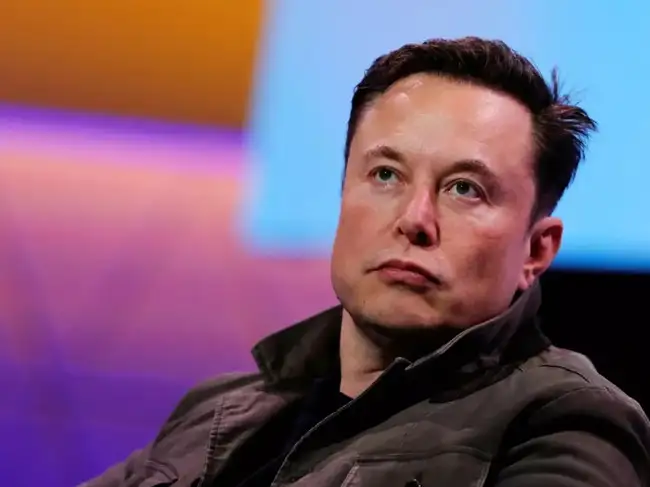
The announcement marks a significant change in Tesla‘s strategy for its controversial electric pickup. Launched in late 2023 with ambitious expectations, the Cybertruck was promoted by Elon Musk as a futuristic alternative to conventional pickup trucks. However, the vehicle has struggled to achieve the mass-market demand Tesla anticipated.
The production decision also arrives at a difficult moment for Musk personally. He spent at least $445 million backing Republican candidates and political groups during the 2026 US midterm election cycle, but Democrats made major gains and secured control of Congress. The political outcome has increased the possibility of investigations into Musk’s government activities and the federal business interests of his companies.
Why Is Tesla Stopping Cybertruck Production?
Tesla’s decision is primarily connected to its plans to increase production of the Cybercab, the company’s autonomous vehicle developed for its robotaxi ambitions.
On November 6, 2026, Musk said Tesla would wind down Cybertruck production at its Texas Gigafactory around the middle of 2027. The facility is expected to accommodate increased output of the Cybercab as Tesla shifts more attention towards autonomous transportation.
However, describing the announcement as the complete cancellation of the Cybertruck would be premature. Musk did not clarify whether production would move to another facility or end altogether. Tesla’s Austin-area factory is currently the only known location equipped to manufacture the specialised components required for the pickup.
The production change nevertheless represents a major retreat from the expectations surrounding the vehicle when it was first introduced.
Cybertruck Sales Failed to Meet Musk’s Ambitions
When Tesla unveiled the Cybertruck, Musk projected annual sales of approximately 250,000 vehicles once production reached scale. The pickup attracted considerable attention because of its unconventional stainless-steel exterior, angular design and claims about its durability and performance.
However, consumer interest did not translate into the sales volumes Tesla had anticipated. US Cybertruck sales fell 48% in 2025 to 20,237 vehicles, compared with 38,965 in 2024.
The difference between actual sales and Musk’s original target highlights the difficulties Tesla faced in turning the vehicle into a mainstream pickup.
The Cybertruck entered a competitive market where customers already had established alternatives. Its unusual styling, pricing changes and questions about practicality made it difficult to appeal to a sufficiently large group of buyers.
Cybercab Becomes a Bigger Priority
Tesla’s decision to make additional factory capacity available for the Cybercab reflects Musk’s changing priorities. The company increasingly wants to position itself as an artificial intelligence, robotics and autonomous transportation business rather than relying exclusively on conventional electric vehicle sales.
The Cybercab is central to that strategy. Tesla intends to use the purpose-built autonomous vehicle as a major component of its robotaxi network, which is designed to provide driverless transportation services.
Increasing Cybercab production could therefore offer Tesla an opportunity to redirect manufacturing resources towards a business area that Musk considers strategically important.
However, autonomous transportation still faces regulatory, technical and commercial challenges. Expanding production capacity does not automatically guarantee that Tesla’s robotaxi ambitions will become profitable at the scale the company expects.
Cybertruck’s Multiple Recalls and Quality-Control Problems
The Cybertruck’s commercial difficulties have been accompanied by several safety recalls and quality-control concerns since its launch. These problems have added pressure to a vehicle that was already struggling to establish a stable position in the electric pickup market.
Recall notices issued by the US National Highway Traffic Safety Administration (NHTSA) have covered different components and systems, including the accelerator pedal, windshield wiper motor, rearview camera, exterior body trim, drive inverter and lighting.
Accelerator Pedal Problem in 2024
One of the most widely reported early recalls involved the accelerator pedal. In April 2024, Tesla recalled certain Cybertruck vehicles after discovering that the accelerator pedal pad could become dislodged and trapped by interior trim.
The issue created a potential safety risk because a trapped accelerator pedal could cause unintended acceleration. Tesla addressed the problem through repairs or replacement of affected pedal assemblies.
Windshield Wiper and Rearview Camera Issues
Another recall in 2024 involved the windshield wiper motor controller. Excessive electrical current could cause the controller to fail, potentially reducing the driver’s visibility during adverse weather conditions.
The rearview camera system also attracted regulatory attention. A delayed camera image when the vehicle was shifted into reverse could affect the driver’s ability to see obstacles behind the pickup.
Tesla addressed the camera issue through an over-the-air software update, demonstrating how software-based remedies can resolve certain vehicle defects without requiring every affected vehicle to visit a service centre.
Exterior Trim and Lighting Concerns
Other recall actions involved exterior components that could become detached from the vehicle. In some cases, loose parts could create hazards for other motorists if they fell onto the road.
Lighting-related issues also required attention. Certain Cybertruck vehicles were recalled over concerns involving exterior lighting that could exceed regulatory brightness requirements and potentially affect the visibility of other drivers.
2026 Recall Involving Wheel Components
In April 2026, Tesla issued another recall covering certain 2024-2026 Cybertrucks equipped with 18-inch steel wheels. The concern involved possible cracking around wheel rotor stud holes under particular driving conditions.
If the cracking progressed, a wheel stud could potentially separate from the wheel hub, increasing the risk of losing vehicle control. Tesla’s proposed remedy involved replacing affected front and rear brake rotors, hubs and lug nuts.
These recalls do not establish that every Cybertruck has a safety defect. They apply to specific vehicles, components or production configurations identified in individual recall notices. Nevertheless, the repeated need for corrective action has contributed to questions about the pickup’s quality and manufacturing execution.
Musk Loses Billions in Net Worth After Republicans Lose Congress
The Cybertruck announcement comes as Musk faces a separate challenge following the 2026 US midterm elections. The billionaire committed hundreds of millions of dollars to support Republican candidates, political action committees and outside groups seeking to help the party retain control of Congress.
Campaign finance figures and election reporting put his spending at approximately $445 million to $446 million, depending on the accounting and reporting period. The investment made him one of the most prominent political donors in the election cycle.
However, Democrats made major gains in the elections, taking control of Congress and defeating several Republican candidates backed by Musk. The results raised questions about the political influence of large individual donors and the potential consequences for Musk’s business interests.
Why Musk’s Political Spending Matters to His Companies
Musk’s political involvement extends beyond campaign donations. His companies have substantial connections with the US government through contracts, programmes, regulatory decisions and other commercial relationships.
SpaceX, for example, provides important services to federal agencies, while Tesla operates in an industry affected by government policies, incentives and regulatory decisions. Musk’s work with the Department of Government Efficiency (DOGE) during the Trump administration has also attracted political attention.
House Democrats have called for investigations into his government activities, including potential conflicts of interest and the relationship between his public-sector role and private businesses.
With Democrats gaining congressional control, lawmakers could use their investigative authority to examine federal contracts, government spending decisions and the management of public resources involving Musk’s companies.
Such scrutiny does not automatically mean that Tesla or SpaceX will lose government contracts. Any changes would depend on the findings of investigations, applicable laws and decisions by relevant government agencies.
Democrats Prepare to Scrutinise DOGE and Federal Contracts
Musk’s involvement with DOGE is likely to remain an important subject of congressional attention. The initiative was associated with efforts to reduce federal spending, restructure government operations and cut the size of the public workforce.
Democratic lawmakers have raised questions about how those decisions were made, whether proper oversight was maintained and whether Musk’s private business interests created potential conflicts.
His companies’ government relationships add another dimension to the issue. SpaceX has received significant federal business, while Tesla’s operations can be affected by public policy decisions involving Electric Vehicles, manufacturing and energy.
Congressional investigations could increase political and regulatory uncertainty for Musk’s business empire. However, investigations and allegations should not be confused with established wrongdoing.
How Much Has Musk Lost From His Net Worth?
The election results were followed by a decline in the market value of companies associated with Musk. Tesla and SpaceX shares came under pressure as investors considered the possibility of increased congressional scrutiny and uncertainty surrounding some of the companies’ future projects.
On November 5, Tesla shares fell sharply, while SpaceX shares also declined. The combined effect was reflected in estimates of Musk’s personal fortune because a substantial portion of his wealth is linked to his ownership stakes in these businesses.
Some financial reports estimated that Musk’s net worth fell by approximately $80 billion during Thursday’s market decline, although estimates varied according to the valuation method and timing used by different wealth trackers.
These losses represent changes in estimated paper wealth rather than money directly withdrawn from Musk’s bank accounts. The value of billionaire fortunes can fluctuate significantly when the market prices of companies in which they hold large stakes change.
The decline also cannot be attributed exclusively to the election outcome. Broader weakness in technology stocks, investor concerns about artificial intelligence valuations and movements in the wider financial markets contributed to the pressure on company valuations.
What the Cybertruck Decision Means for Tesla’s Future
The planned production wind-down highlights a strategic challenge for Tesla: balancing its established electric vehicle business with its increasingly ambitious plans for autonomous transportation and robotics.
The Cybertruck was intended to demonstrate Tesla’s ability to enter a new vehicle category with a distinctive product. Its limited sales performance, repeated recalls and manufacturing challenges have made that ambition more difficult to achieve.
Redirecting production capacity towards the Cybercab could help Tesla concentrate resources on its robotaxi strategy. However, the company must still demonstrate that autonomous vehicles can operate safely, meet regulatory requirements and attract enough customers to support a sustainable business.
For the Cybertruck, the future remains uncertain. Tesla has announced plans to wind down production at its Texas facility around mid-2027, but it has not confirmed whether the vehicle will disappear completely or continue to be manufactured elsewhere.
A Difficult Period for Elon Musk’s Business Empire
Tesla’s Cybertruck production decision and Musk’s political setbacks are separate developments, but together they illustrate the challenges facing one of the world’s most influential technology entrepreneurs.
The pickup has struggled to meet its original commercial ambitions, while its recall history has added pressure to its reputation. At the same time, Musk’s substantial political spending failed to prevent major Republican losses in the 2026 midterms, creating the possibility of greater congressional scrutiny of his government activities and business interests.
The coming months will be important for Tesla as it prepares to reorganise its Texas manufacturing operations and expand its focus on the Cybercab. Whether the shift produces stronger commercial results will depend on customer demand, autonomous vehicle regulations and the company’s ability to execute its technology plans.
For now, the Cybertruck’s future remains unresolved. What Tesla has confirmed is a planned production wind-down at its Texas factory, not an unequivocal decision to discontinue the model everywhere.
For breaking news and live news updates, like us on Facebook or follow us on Twitter and Instagram. Read more on Latest World on thefoxdaily.com.





COMMENTS 0