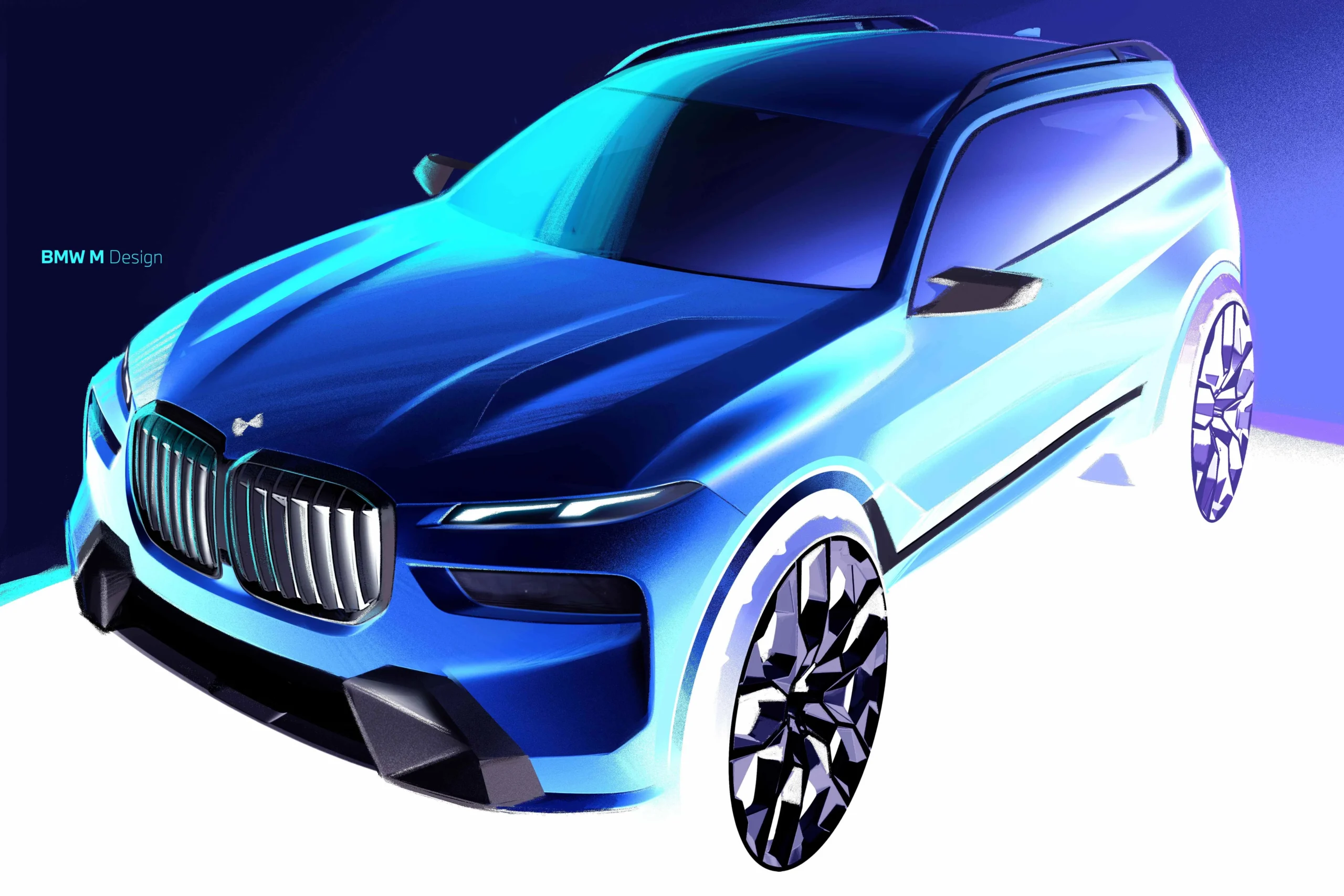
BMW is preparing to introduce the second generation of its flagship X7 SUV in 2027, according to a report by Autocar UK. First launched in 2018 and updated with a facelift in 2022, the X7 sits at the top of BMW’s SUV range. Its next-generation version is expected to bring significant changes to the design, technology and powertrain lineup.
The biggest development will be the introduction of an all-electric version, expected to be called the BMW iX7. This will mark the first time the flagship SUV gets a fully electric derivative. However, BMW is also expected to continue offering conventional petrol and diesel engines. A V8-powered Alpina version is likely to sit at the top of the range.
The upcoming X7 and iX7 are expected to borrow several technologies from BMW’s latest-generation models, including the new X5 and iX5. While the company has not officially revealed the next-generation SUV, here is what we know about its expected platform, powertrains, design and features.
2027 BMW X7 and iX7: Platform and Powertrain Details
The second-generation BMW X7 and its electric counterpart are expected to use a heavily updated version of the company’s existing Cluster Architecture (CLAR) platform. This approach is similar to the one used for the latest-generation X5 and iX5, which share an updated architecture while offering different powertrain options.
Unlike some of BMW’s newer electric models, the iX7 is not expected to use the dedicated Neue Klasse skateboard platform. Instead, its upgraded CLAR architecture is likely to incorporate several technologies developed for Neue Klasse vehicles.
These could include an 800-volt electrical architecture, cylindrical battery cells and support for DC fast charging at up to 460kW. The technology is expected to improve charging performance and overall energy efficiency.
BMW iX7 Could Get a 150kWh Battery and Over 805km Range
The all-electric BMW iX7 is expected to feature a battery pack with a capacity of up to 150kWh. For reference, the recently introduced iX5 gets a 144kWh net battery pack. The larger battery could help the flagship electric SUV achieve a claimed WLTP driving range of more than 805km.
Given its positioning at the top of BMW’s electric SUV lineup, the iX7 is also expected to feature multiple electric motors and an all-wheel-drive (AWD) configuration. Its power and torque outputs could exceed those of the iX5, which produces 578hp and 805Nm.
The expected 460kW DC charging capability would also make the iX7 one of the fastest-charging models in BMW’s lineup, provided the final production specifications retain the reported technology. Official battery, performance and charging figures are yet to be announced.
Petrol and Diesel Engines to Continue
BMW is expected to retain internal combustion engine options alongside the new electric iX7. Like the current model, the next-generation X7 is likely to feature the company’s xDrive all-wheel-drive system across its range.
The entry-level xDrive 40 petrol variant is expected to borrow the latest X5’s 3.0-litre turbocharged, direct-injection inline-six engine. It could be paired with a 48-volt mild-hybrid system and produce around 400hp and 540Nm of torque.
European markets are also expected to receive an xDrive 40d diesel variant. This version could use a 3.0-litre inline-six diesel engine with 48-volt mild-hybrid assistance, producing approximately 313hp and 670Nm.
At the higher end of the range, BMW is likely to retain the M60 xDrive variant and its 4.4-litre twin-turbocharged V8 engine. The powertrain could receive updates to deliver more power and torque than the current model’s 530hp and 750Nm outputs.
Unlike the new X5, the next-generation X7 is not expected to receive a plug-in hybrid or hydrogen fuel-cell powertrain. The lineup is therefore likely to focus on conventional petrol and diesel engines, alongside the fully electric iX7.
2027 BMW X7: Exterior and Interior Design
The second-generation BMW X7 is expected to receive a significant exterior redesign, drawing inspiration from the 2026 facelift of the 7 Series sedan. The updated styling could include a redesigned split-headlamp arrangement, larger kidney grilles and wide LED tail-lamps that extend across the rear.
The SUV is also expected to feature more upright proportions, giving it a stronger road presence. Despite the different powertrains, the X7 and iX7 are likely to look largely identical, following the design approach used for the 7 Series and i7.
In terms of dimensions, the next-generation X7 could measure more than 5,200mm in length. The SUV is expected to get 19-inch alloy wheels as standard, while larger 23-inch wheels could be offered as an option.
Another notable change could be at the rear. The current X7’s split-opening tailgate is expected to be replaced by a conventional single-piece tailgate. This could make loading and unloading luggage easier while also simplifying the vehicle’s production process.
Cabin to Get Panoramic Vision and Multiple Screens
The interior of the upcoming BMW X7 is expected to borrow heavily from the latest 7 Series. One of the major additions could be BMW’s pillar-to-pillar Panoramic Vision display, which projects important driving information across the lower section of the windscreen.
The dashboard could feature a larger 17.9-inch central touchscreen and a separate 14.6-inch display for the front passenger. These screens are expected to be part of a more technology-focused cabin layout.
Other possible additions include automatic doors and an upgraded selection of comfort and convenience features. BMW is also expected to focus on improving the experience for rear-seat passengers, an important consideration for a flagship luxury SUV.
The rear cabin could feature the 31.3-inch 8K entertainment screen seen in the 7 Series. New touchscreen controllers for climate and comfort functions could also be introduced, giving rear occupants greater control over their seating environment.
However, the complete interior equipment list and the availability of individual features across variants are yet to be confirmed.
2027 BMW X7 Alpina: V8 Power and More Luxury
The next-generation X7 is also expected to receive an Alpina version, making it one of the first models developed by BMW’s luxury-focused Alpina sub-brand under the company’s ownership. Following the 7 Series Alpina, the upcoming X7 could become the second model to receive this treatment.
Reportedly codenamed G69, the X7 Alpina is expected to use a specially tuned version of BMW’s 4.4-litre twin-turbocharged V8 engine. The powertrain could receive dedicated engine management software and revised transmission calibration to deliver a distinctive performance experience.
Beyond the engine, the performance-focused luxury SUV is likely to receive bespoke suspension tuning. It could also feature unique exterior styling elements and an upgraded cabin with higher-quality materials and additional luxury equipment.
BMW is also evaluating the possibility of an iX7 Alpina. However, a final decision on an all-electric Alpina version of the flagship SUV has not yet been made.
2027 BMW X7 and iX7: Expected Rivals
The next-generation BMW X7 will continue to compete in the full-size luxury SUV segment. Its primary rivals are expected to include the Mercedes-Benz GLS and the upcoming Audi Q9.
The all-electric iX7 will enter a different but closely related segment, where it could compete against models such as the Range Rover Electric and Mercedes-Benz EQS. Its expected long driving range, large battery and fast-charging capability could help it appeal to buyers looking for a spacious luxury electric SUV.
The range-topping X7 Alpina, meanwhile, is expected to target the Mercedes-Maybach GLS. Its combination of V8 performance, bespoke styling and a more luxurious interior could position it above the standard X7 range.
| Model | Expected Positioning | Expected Rivals |
|---|---|---|
| BMW X7 | Flagship luxury SUV | Mercedes-Benz GLS, Audi Q9 |
| BMW iX7 | All-electric flagship SUV | Range Rover Electric, Mercedes-Benz EQS |
| BMW X7 Alpina | Ultra-luxury performance SUV | Mercedes-Maybach GLS |
What to Expect from the Next-Generation BMW X7
The 2027 BMW X7 is shaping up to be a major update for the brand’s flagship SUV. The addition of the all-electric iX7 will expand the model range, while the continued availability of petrol and diesel engines will give buyers multiple powertrain choices.
The expected 150kWh battery, more than 805km WLTP range and 800-volt electrical architecture could make the iX7 a significant addition to BMW’s electric vehicle lineup. Meanwhile, the updated exterior, Panoramic Vision display and rear-seat entertainment system should help the conventional X7 maintain its position in the luxury SUV segment.
The possibility of a V8-powered Alpina version adds another layer to the upcoming range. BMW is yet to confirm the final specifications, prices and market-wise launch details, but the second-generation X7 is expected to make its global debut in 2027.
For breaking news and live news updates, like us on Facebook or follow us on Twitter and Instagram. Read more on Latest Automobile on thefoxdaily.com.



COMMENTS 0