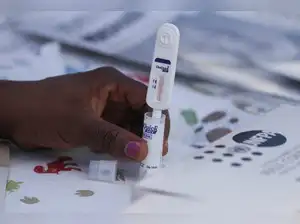
Indian pharmaceutical company Hetero has started shipments of generic lenacapavir to Africa as part of efforts to expand access to long-acting HIV prevention treatment in lower-income regions. The company plans to supply 300,000 vials of the generic drug to Zambia, Uganda and Zimbabwe, marking an important step in making an advanced HIV prevention option more widely available.
The development follows the World Health Organization’s recommendation of lenacapavir as an additional HIV prevention option after successful clinical trials demonstrated its effectiveness. Generic versions are being produced by six licensed manufacturers, including Hetero, with the aim of improving affordability and availability in countries facing a significant HIV burden.
Lenacapavir has attracted attention because it offers long-acting protection against HIV, potentially reducing the need for frequent medication compared with daily oral prevention options. Expanding access to generic versions could help public health programmes reach more people, particularly in regions where the cost of newer medicines has been a barrier.
Hetero Starts Shipping Generic Lenacapavir to African Countries
Hetero has initiated shipments of its generic lenacapavir formulation to African markets and plans to supply a total of 300,000 vials to Zambia, Uganda and Zimbabwe.
The planned supply is intended to support wider access to HIV prevention treatment in countries where the disease remains an important public health challenge. The availability of a generic version could help healthcare programmes expand prevention services without relying exclusively on higher-priced branded medicines.
The shipments also reflect the growing role of Indian pharmaceutical manufacturers in supplying affordable generic medicines to international markets. India has a substantial generic drug manufacturing industry, with companies producing medicines for healthcare systems across developing and developed economies.
However, the impact of the supply programme will depend on distribution arrangements, national regulatory requirements, healthcare infrastructure and the ability of local health services to deliver the treatment to eligible populations.
What Is Lenacapavir and How Does It Prevent HIV?
Lenacapavir is a long-acting antiretroviral medicine developed for the prevention and treatment of HIV. For prevention, it is used as pre-exposure prophylaxis, commonly known as PrEP, which involves giving medication to people who do not have HIV but may be at risk of acquiring the infection.
The drug works by targeting the HIV capsid, a protein structure that protects the virus’s genetic material and plays an important role in its life cycle. By interfering with the capsid’s functions, lenacapavir disrupts processes the virus needs to reproduce and establish infection.
One of its major features is its long duration of action. Unlike conventional oral PrEP options that require regular daily use, lenacapavir can provide preventive protection through injections administered at extended intervals under the recommended treatment schedule.
This approach could make HIV prevention more convenient for people who find daily medication difficult to maintain. It may also help address challenges involving adherence, privacy and access to regular healthcare services.
Lenacapavir is a prevention option rather than a cure for HIV. People considering HIV prevention medication should receive appropriate testing and guidance from qualified healthcare professionals to determine which option is suitable for them.
WHO Recommends Lenacapavir as an HIV Prevention Option
The World Health Organization has recommended lenacapavir as an additional HIV prevention option following evidence from clinical trials demonstrating its effectiveness.
The recommendation is significant because it provides public health authorities with another tool for preventing new HIV infections. Long-acting prevention medicines may be particularly useful for people who face difficulties accessing or consistently using daily oral medication.
WHO recommendations also help guide national health programmes, healthcare providers and international organisations when considering the introduction of new prevention options.
However, a recommendation does not automatically mean that the medicine will be immediately available to everyone. Countries must consider regulatory approvals, procurement arrangements, affordability, healthcare capacity and the requirements for administering injectable medicines.
The introduction of generic versions could help address one of the central challenges: ensuring that a medicine shown to be effective in clinical trials can reach the people who need it.
Why Generic Lenacapavir Matters for HIV Prevention
The development of generic lenacapavir is important because the cost of innovative medicines can limit their availability in countries with constrained healthcare budgets. When only a branded version is available, governments and public health organisations may face difficulties purchasing enough doses to serve large populations.
Generic manufacturing can introduce additional suppliers into the market and create opportunities for lower procurement costs. Greater competition may also improve the reliability of supply by reducing dependence on a single manufacturer.
For countries with significant HIV prevention needs, affordable access can influence how widely a new medicine is incorporated into national programmes.
However, generic availability does not guarantee immediate affordability or widespread distribution. Pricing arrangements, manufacturing capacity, regulatory approval and procurement decisions will all influence the final cost and availability in individual countries.
The involvement of several licensed manufacturers is therefore important. A broader manufacturing base could support supply continuity as demand for long-acting HIV prevention medicines increases.
Six Licensed Drugmakers Are Producing Generic Versions
Generic versions of lenacapavir are being produced by six licensed drugmakers, including Hetero. The licensing arrangement is intended to support wider production and access in eligible lower-income regions.
Allowing multiple manufacturers to produce generic versions can help expand the supply base and reduce the risk of shortages. It may also encourage competition, which can support more affordable pricing over time.
For a medicine requiring specialised manufacturing and quality controls, the ability to scale production while maintaining consistent standards is particularly important. Companies must ensure that generic formulations meet applicable regulatory requirements before they can be distributed through national healthcare systems.
The participation of Indian manufacturers also highlights India’s position in the global generic medicines industry. Indian pharmaceutical companies have established manufacturing and export networks that supply a wide range of essential medicines to international markets.
Hetero’s shipments to African countries represent one part of this wider effort to expand access to newer HIV prevention technologies through generic production.
Why Zambia, Uganda and Zimbabwe Are Important Markets
Hetero’s planned supply of 300,000 vials is intended for Zambia, Uganda and Zimbabwe. These countries are among the African markets where access to effective HIV prevention services remains an important public health priority.
HIV prevention programmes typically combine several approaches, including testing, counselling, condoms, oral PrEP and other prevention interventions. The introduction of a long-acting option could provide an additional choice for people who may find daily medication difficult to use consistently.
Long-acting medicines may also help healthcare providers reach people who face barriers related to frequent clinic visits or the need to store and take medication regularly.
However, successful implementation requires more than the arrival of medicine shipments. Healthcare systems need trained personnel, suitable facilities, reliable follow-up arrangements and clear guidance for identifying people who may benefit from the treatment.
National health authorities will also need to manage procurement and distribution so that supplies reach the communities and healthcare facilities where demand exists.
How Long-Acting HIV Prevention Could Change Treatment Access
Daily oral PrEP has been an important tool in HIV prevention, but maintaining consistent use can be difficult for some people. Work schedules, travel, stigma, privacy concerns and limited access to healthcare services can affect adherence.
Long-acting lenacapavir offers a different approach by reducing how frequently people need to take preventive medication. Its extended dosing schedule could make prevention easier to incorporate into routine healthcare, particularly for individuals who prefer not to take a daily tablet.
It could also provide another option for public health programmes seeking to improve prevention coverage among populations at increased risk of HIV exposure.
Nevertheless, injectable prevention requires an effective system for administering doses on schedule. Healthcare providers must ensure that people receive the required follow-up injections and appropriate HIV testing.
Long-acting prevention should therefore be viewed as an additional option within comprehensive HIV prevention programmes rather than a replacement for all existing methods.
Challenges in Expanding Access Across Africa
Although generic production could improve affordability, several challenges may affect how quickly lenacapavir reaches patients across African countries.
Regulatory approvals: Medicines must meet national regulatory requirements before being introduced into healthcare programmes. Approval processes and procurement arrangements can differ between countries.
Healthcare infrastructure: Injectable medicines require trained healthcare workers and facilities capable of providing the treatment and follow-up services.
Affordability: Generic competition may reduce prices, but the final cost will depend on procurement agreements, manufacturing capacity and distribution expenses.
Supply reliability: Manufacturers and public health authorities must ensure that sufficient quantities are available and that distribution networks can prevent interruptions.
Awareness and access: Communities need reliable information about HIV prevention options, eligibility and the importance of regular testing and follow-up.
Addressing these issues will be essential to translate the availability of generic lenacapavir into broader prevention coverage.
India’s Pharmaceutical Industry Strengthens Its Global Role
Hetero’s participation in the generic lenacapavir supply programme highlights the role of India’s pharmaceutical sector in improving access to medicines internationally.
Indian manufacturers have developed large-scale capabilities in producing generic medicines, including treatments for infectious diseases and other major health conditions. Their international supply networks make them important suppliers for healthcare systems in developing markets.
Producing generic versions of advanced medicines can also strengthen India’s position in more complex pharmaceutical segments. However, these products require specialised manufacturing processes, quality assurance and compliance with regulatory standards in destination markets.
The expansion of generic lenacapavir production could create opportunities for Indian companies to contribute to global HIV prevention efforts while strengthening their presence in international pharmaceutical markets.
The wider public health impact will depend on whether affordable supplies can be maintained and distributed effectively through national programmes.
What to Watch Next
The next important developments will involve the delivery of Hetero’s planned 300,000-vial supply and the introduction of generic lenacapavir through healthcare programmes in Zambia, Uganda and Zimbabwe.
Pricing, regulatory clearances and procurement arrangements will help determine how quickly the medicine becomes accessible to eligible populations. The ability of the six licensed manufacturers to expand production will also influence the availability of generic supplies over time.
Another important factor will be the capacity of local healthcare systems to provide long-acting HIV prevention, including testing, injection services and follow-up care.
If these elements are managed effectively, generic lenacapavir could become an important additional option in efforts to reduce new HIV infections. Its impact will ultimately depend on affordability, consistent access and integration into existing prevention programmes.
Conclusion
Hetero has begun shipments of generic lenacapavir to Africa, with plans to supply 300,000 vials to Zambia, Uganda and Zimbabwe. The development follows the WHO’s recommendation of the long-acting medicine as an additional HIV prevention option after successful clinical trials.
With six licensed manufacturers producing generic versions, the initiative could help expand supply and improve affordability in lower-income regions. For people who face difficulties taking daily preventive medication, long-acting lenacapavir may offer another approach to reducing the risk of HIV infection.
However, the success of the programme will depend on more than manufacturing capacity. Regulatory approvals, procurement costs, healthcare infrastructure and reliable follow-up services will determine how effectively the medicine reaches the people who need it.
For breaking news and live news updates, like us on Facebook or follow us on Twitter and Instagram. Read more on Latest Business on thefoxdaily.com.






COMMENTS 0