Shares in British pharmaceutical company GSK fell sharply on Wednesday as investors reacted to weaker vaccine sales, restructuring expenses and concerns about the company’s longer-term growth prospects. The decline came despite the drugmaker reporting third-quarter revenue that exceeded expectations, highlighting the market’s focus on future earnings and the risks facing its pharmaceutical portfolio.
GSK shares fell as much as 7% during the session before recovering some ground to trade down 5.5%. The stock was the biggest faller on the FTSE 100 index, which tracks leading companies listed in London.
The company reported a 19% decline in pre-tax profit to £1.9 billion for the July-to-September quarter. It also recorded £318 million in restructuring charges, with additional costs expected as management continues a wider programme to simplify operations and redirect investment towards research and development.
The market reaction reflects several challenges facing GSK at the same time: declining sales of important vaccines, substantial spending on organisational changes, the need to replenish its future drug pipeline and the approaching loss of patent protection for a major HIV medicine.
GSK Reports Higher Revenue but Lower Quarterly Profit
GSK reported third-quarter turnover of £8.9 billion, representing a 5% increase at constant currency rates. Strong sales of HIV, cancer and lupus medicines helped support overall revenue, demonstrating that several parts of the company’s pharmaceutical business continued to perform well.
However, higher revenue did not translate into higher pre-tax profit. The 19% decline in pre-tax earnings to £1.9 billion raised questions about the company’s cost base and the financial effects of its ongoing restructuring programme.
Investors often assess pharmaceutical companies using a combination of revenue growth, profitability, product demand and the strength of their future drug pipelines. A company can report stronger sales while its shares fall if investors believe costs are rising, important products are losing momentum or future growth may be difficult to sustain.
In GSK’s case, the contrast between growing pharmaceutical sales and declining vaccine revenue appears particularly important. The company is attempting to strengthen its portfolio while managing significant organisational costs and preparing for changes in the competitive landscape.
Vaccine Sales Decline as Shingrix and Arexvy Face Pressure
GSK’s vaccine business was a major source of concern in the latest results. Vaccine sales fell 2% to £2.6 billion during the third quarter, despite growth in its meningitis vaccine portfolio.
Sales of Shingrix, the company’s shingles vaccine, declined 5%, while revenue from Arexvy, its respiratory syncytial virus (RSV) vaccine, dropped 24%. Sales of meningitis vaccines increased 12%, providing some support but not enough to prevent an overall decline in vaccine revenue.
The figures matter because vaccines are an important part of GSK’s business and long-term growth strategy. Changes in demand for major products can influence revenue expectations, particularly when investors have previously anticipated continued growth.
Shingrix faces near-term pressure but retains growth potential
Shingrix is designed to protect against shingles, a painful condition caused by the reactivation of the varicella-zoster virus. The vaccine has been an important product for GSK, but its recent sales decline has raised questions about the pace of future growth.
Chief executive Luke Miels described Shingrix as a “remarkable product” and said it had the potential to grow in the following year. His comments indicate that the company continues to see opportunities to expand the vaccine’s commercial reach.
GSK is also studying whether Shingrix may have benefits beyond preventing shingles. Two large studies are examining its potential relationship with dementia risk and major adverse cardiovascular events, including heart attacks and strokes.
According to the company’s comments, initial data from the cardiovascular study are expected in 2027, while the first data from the dementia-related study are expected in 2029. These investigations could broaden scientific understanding of the vaccine’s possible effects, but their outcomes remain uncertain.
Any claims about benefits beyond the vaccine’s established use will require robust clinical evidence. A relationship observed in earlier research does not, by itself, establish that vaccination directly causes a reduction in dementia or cardiovascular events.
Arexvy sales fall as the vaccine market evolves
Arexvy, GSK’s RSV vaccine, recorded a 24% decline in third-quarter sales. RSV can cause respiratory illness and may lead to severe complications, particularly among older adults and certain vulnerable groups.
The drop in Arexvy revenue contributed to the weakness in GSK’s overall vaccine performance. Investors will be watching subsequent results to assess whether the decline represents a temporary change in demand or a more persistent challenge for the product.
Vaccine sales can be affected by several factors, including seasonal demand, vaccination rates, purchasing patterns, competition and the timing of public-health recommendations. The reported figures alone do not establish which factors were primarily responsible for the declines in Shingrix and Arexvy.
Patent Expiry for HIV Drug Creates a Longer-Term Challenge
Another concern for investors is the approaching loss of patent protection for dolutegravir, a major HIV medicine in GSK’s portfolio. The drug is expected to lose patent protection towards the end of the decade, potentially allowing generic manufacturers to introduce lower-priced versions once applicable protections expire.
Patent protection plays an important role in pharmaceutical economics. It allows companies to benefit from their investment in drug discovery and development for a defined period, subject to applicable patent and regulatory rules. Once protection expires, competing manufacturers may be able to sell generic versions, increasing price competition.
For a pharmaceutical company, the loss of exclusivity for a major medicine can put pressure on revenue and profit margins. The scale of the impact depends on factors such as the drug’s existing sales, the timing and extent of generic competition, pricing and the availability of replacement products.
GSK therefore needs to develop new medicines and expand existing products to help offset potential revenue losses. This makes investment in research and development central to the company’s long-term strategy.
The patent challenge does not mean that GSK’s entire HIV business will disappear when protection for dolutegravir ends. Instead, investors will assess how the company manages the transition and whether its wider portfolio can support growth as competition increases.
GSK Targets More Than £40 Billion in Annual Revenue by 2031
GSK has set a target of generating more than £40 billion in total annual revenue by 2031. Rebuilding and expanding its cancer business is part of the strategy, alongside continued development of specialty medicines and vaccines.
The target reflects the company’s ambition to strengthen its product portfolio and create new sources of revenue as some established medicines face greater competition. Achieving it will depend on commercial performance, the success of new drug launches, clinical-trial results and the company’s ability to respond to changes in the pharmaceutical market.
Drug development carries considerable uncertainty. Medicines must pass through clinical trials and regulatory reviews before they can be approved for widespread use. Even when a treatment is approved, its commercial success depends on factors such as effectiveness, safety, competition, reimbursement and demand.
GSK’s plans therefore require a balance between managing current operations and investing in products that may generate revenue in future years. The company’s ability to deliver sustainable growth will depend partly on whether its research investments translate into successful medicines.
£2.4 Billion Restructuring Programme Aims to Reduce Costs
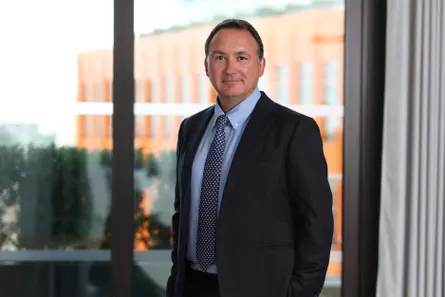
Miels, who became GSK’s chief executive in January after succeeding Emma Walmsley, has introduced changes intended to simplify the business, improve efficiency and accelerate drug development.
The company is pursuing a three-year cost-reduction programme designed to save £1.9 billion annually. Miels said GSK was slightly ahead of schedule in implementing the plan.
The restructuring is expected to cost approximately £2.4 billion, with most of the charges anticipated in the current year and the following year. The programme is intended to reduce ongoing expenses and allow the company to direct more resources towards research and development.
Although restructuring can create opportunities for longer-term savings, it can also weigh on reported earnings during implementation. Investors must assess whether the expected future benefits justify the near-term financial costs and operational disruption.
For GSK, the key question is whether simplifying the organisation can improve efficiency without undermining the scientific capabilities required to develop new medicines. Research productivity and the successful progression of drug candidates will be important indicators of whether the strategy is delivering its intended results.
Job Cuts Planned in the UK and Belgium
GSK’s restructuring programme will affect parts of its workforce in the United Kingdom and Belgium. Miels said the impact in the UK would be relatively limited, with some job reductions at the company’s central London headquarters affecting support roles.
He explained that the company wanted a greater proportion of its resources focused on laboratory work and scientific development rather than maintaining an oversized headquarters operation. The changes reflect management’s intention to redirect spending towards research and development.
GSK is also reorganising its vaccine operations in Belgium. Greater use of digital tools and automation is expected to result in approximately 1,200 job losses, although the country will continue to produce the bulk of the company’s vaccines, according to GSK.
The company had nearly 67,000 employees worldwide at the end of the previous year, according to its annual report. The planned reductions form part of a broader effort to simplify operations and improve productivity.
Workforce restructuring can reduce costs over time, but it may also create uncertainty for employees and communities connected to affected facilities. For pharmaceutical manufacturers, maintaining the necessary expertise and production capabilities remains important even as administrative processes and manufacturing operations are reorganised.
GSK Maintains Annual Forecasts Despite Investor Concerns
Despite the weaker vaccine performance and restructuring expenses, GSK maintained its annual financial forecasts. The company expects research and development spending to increase faster than sales, reflecting its emphasis on developing future medicines.
GSK also expects to begin 22 late-stage studies of new medicines by the end of the year, with 18 already under way. The studies are focused on specialty medicines and vaccines, areas that management views as important to the company’s future growth.
Late-stage clinical trials are a significant part of pharmaceutical development because they generate evidence needed to assess whether a treatment is effective and sufficiently safe for its intended use. Positive results can support regulatory applications, while disappointing findings may delay or prevent a medicine from reaching the market.
Maintaining its forecasts provides investors with the company’s current expectations, but it does not eliminate uncertainty. Future results will depend on product demand, the timing of research milestones, operating expenses, currency movements and other business conditions.
Investors will therefore be looking for evidence that GSK can deliver its financial targets while funding its research pipeline and managing the expected loss of exclusivity for established medicines.
Why Investors Reacted Negatively to the Results
The sharp fall in GSK shares suggests that investors focused on the risks facing the business despite the reported revenue increase and better-than-expected overall financial results.
- Weaker vaccine sales: A 2% decline in vaccine revenue, alongside falls in Shingrix and Arexvy sales, raised concerns about a key part of GSK’s portfolio.
- Lower pre-tax profit: Quarterly pre-tax profit fell 19% to £1.9 billion, reflecting pressure on reported earnings.
- Restructuring expenses: The £318 million in quarterly charges came as the company prepared for a wider restructuring programme expected to cost £2.4 billion.
- Patent expiry risk: The approaching loss of patent protection for dolutegravir creates uncertainty about future revenue from a major HIV medicine.
- Dependence on future drug development: GSK’s longer-term revenue ambitions require successful research, clinical trials and commercial launches.
These factors illustrate why investors may respond negatively even when a company’s revenue is growing. Markets assess not only current sales but also the sustainability of earnings, the cost of future investment and the risks associated with the products expected to drive growth.
What to Watch in GSK’s Next Results
Several developments could shape investor sentiment towards GSK in the coming quarters. Vaccine sales will remain important, particularly whether Shingrix can return to growth and whether the decline in Arexvy revenue moderates.
Investors will also monitor progress against the company’s cost-reduction targets. Evidence that the restructuring is generating recurring savings could help demonstrate whether the programme is improving the business’s underlying financial performance.
Research and development milestones will be another important focus. The progression of late-stage studies, clinical-trial outcomes and potential regulatory developments could influence expectations for GSK’s future product portfolio.
Finally, investors will continue to assess how the company plans to manage the eventual loss of patent protection for dolutegravir. The development and commercialisation of new medicines will be central to GSK’s ability to offset potential revenue pressure from generic competition.
Conclusion
GSK’s share-price decline reflects investor concerns about weakening vaccine sales, lower quarterly profit, significant restructuring costs and the longer-term implications of patent expiry for a major HIV medicine. Although revenue rose 5% at constant currency rates to £8.9 billion and the company maintained its annual forecasts, the market reaction shows that investors remain focused on the quality and sustainability of future growth.
The company’s strategy centres on reducing operating costs, increasing investment in research and development and expanding its portfolio of specialty medicines and vaccines. Its £40 billion-plus annual revenue target for 2031 will depend on the success of that strategy, including whether new treatments can compensate for pressure on existing products.
For investors, the main indicators to watch are vaccine sales trends, progress towards recurring cost savings, late-stage clinical results and GSK’s preparations for future generic competition. These developments will help determine whether the company can turn its restructuring efforts and research investments into sustained growth.
For breaking news and live news updates, like us on Facebook or follow us on Twitter and Instagram. Read more on Latest Business on thefoxdaily.com.





COMMENTS 0