- Understanding the Current Gas Price Situation
- How to Save Money on Gas
- Why Gas Prices Vary More Than You Think
- Use Technology to Find the Cheapest Gas
- Warehouse Clubs: Are They Worth It?
- Loyalty Programs: Small Discounts, Big Impact
- Timing Matters: When to Fill Up
- Driving Habits That Reduce Fuel Costs
- The Psychology of Overpaying for Gas
- Comparison: Passive vs Active Fuel Buyers
- Future Outlook: Will Gas Prices Drop Soon?
- Conclusion: Control What You Can at the Pump
Gas prices remain stubbornly high despite easing geopolitical tensions, leaving millions of drivers searching for immediate ways to reduce fuel costs. While the average price per gallon has dipped slightly in recent days, it still sits well above pre-Conflict levels putting pressure on household budgets and daily commuters alike.
So what can drivers actually do right now? The answer lies not in waiting for prices to fall but in changing how, where, and when you buy fuel.
Understanding the Current Gas Price Situation
fuel prices don’t drop overnight. Even when global tensions ease or crude oil prices stabilize, the effects take time to reach local gas stations. This delay happens because of:
- Supply chain lag: Fuel already refined and distributed reflects earlier, higher costs
- Retail pricing cycles: Stations adjust prices gradually to manage margins
- Regional differences: Taxes, transportation, and local demand affect pricing
In practical terms, this means drivers should expect elevated prices to persist for weeks or even months before meaningful relief arrives.
How to Save Money on Gas
If you’re wondering how to save money on gas, the key is not one single trick but a combination of small, consistent strategies that add up over time.
Related Keywords (LSI)
- cheap gas near me
- fuel savings tips
- gas price comparison apps
- gas station discounts
- loyalty programs fuel savings
- best time to buy gas
- reduce fuel expenses
- save money at the pump
Why Gas Prices Vary More Than You Think
One of the most overlooked facts about fuel pricing is how much it can vary even within a short distance.
It’s not unusual to see differences of 50 cents or more per gallon between stations just a few kilometers apart. This happens due to:
- Competition between nearby stations
- Brand positioning (premium vs budget)
- Local traffic patterns
- Operating costs and rent
Insight: Drivers WHO stick to a single “favorite” station often pay more over time without realizing it.
Use Technology to Find the Cheapest Gas
In 2026, there’s no reason to guess where the cheapest gas is apps do the work for you.
Best Tools to Compare Gas Prices
- Gas price tracking apps
- Navigation apps with fuel price overlays
- Map-based search tools showing nearby stations
These platforms allow you to:
- Compare real-time prices
- Filter by distance or price
- Plan fuel stops along your route
Pro tip: Checking prices before filling up can save more than any single discount program.
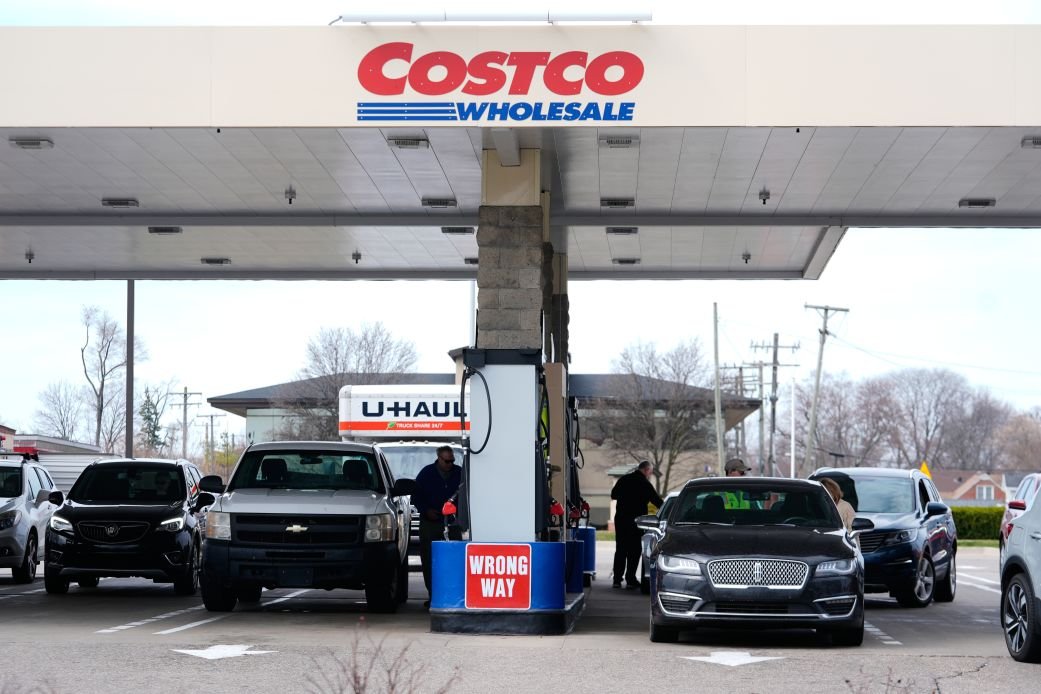
Warehouse Clubs: Are They Worth It?
Membership-based warehouse retailers have become major players in fuel savings.
Benefits
- Consistently lower prices than average stations
- Reliable fuel quality
- Additional savings tied to memberships
Trade-Off
- Long wait times during peak hours
| Factor | Warehouse Fuel Stations | Regular Gas Stations |
|---|---|---|
| Price | Lower | Higher |
| Convenience | Moderate (queues) | High |
| Membership Required | Yes | No |
Insight: If you value time over savings, waiting in line may cancel out the benefit. But for budget-conscious drivers, the savings can be significant over months.
Loyalty Programs: Small Discounts, Big Impact
Fuel loyalty programs are one of the easiest ways to reduce costs without changing habits drastically.
How They Work
- Earn points from purchases (fuel or groceries)
- Redeem points for per-gallon discounts
- Access exclusive member pricing
Types of Programs
- Supermarket rewards: Earn fuel points through grocery spending
- Gas station programs: Direct discounts or cashback-style rewards
- Subscription models: Flat savings per gallon with paid memberships
Some programs even stack benefits combining grocery spending, app usage, and payment methods for deeper discounts.
Key insight: Individually, these discounts may seem small (5–10 cents), but over a year, they can save hundreds.
Timing Matters: When to Fill Up
Fuel prices fluctuate throughout the week, and timing your fill-up can make a difference.
General Trends
- Prices often rise before weekends
- Midweek (Tuesday–Wednesday) can be cheaper
- Morning prices may be lower before updates
While not guaranteed, being mindful of timing adds another layer of savings.
Driving Habits That Reduce Fuel Costs
Saving money on gas isn’t just about where you buy it’s also about how you drive.
Simple Adjustments
- Avoid rapid acceleration and braking
- Maintain steady speeds
- Keep tires properly inflated
- Reduce unnecessary weight in your vehicle
These habits can improve fuel efficiency by up to 10–20%, effectively lowering your cost per mile.
The Psychology of Overpaying for Gas
Many drivers unknowingly overspend due to routine behavior.
- Filling up at the same station out of habit
- Ignoring price differences for convenience
- Not using available discounts or apps
Insight: Convenience often costs more than people realize. A small detour or a quick app check can lead to consistent savings.
Comparison: Passive vs Active Fuel Buyers
| Type of Driver | Behavior | Annual Fuel Cost Impact |
|---|---|---|
| Passive Buyer | Uses same station, no discounts | Highest spending |
| Moderate Saver | Uses loyalty programs | Moderate savings |
| Smart Shopper | Compares prices + uses rewards + plans timing | Maximum savings |
The difference between passive and smart fuel buying can easily exceed hundreds of dollars annually.
Future Outlook: Will Gas Prices Drop Soon?
While some short-term relief is possible, several factors suggest prices may remain elevated:
- Global geopolitical uncertainty
- Supply chain adjustments
- Seasonal demand increases
Prediction: Prices may gradually decline, but sharp drops are unlikely in the near term. This makes adopting savings strategies even more important.
Conclusion: Control What You Can at the Pump
Gas prices may be out of your control but how you respond to them isn’t.
By combining price comparison tools, loyalty programs, smarter timing, and better driving habits, you can significantly reduce your fuel expenses starting today.
The key takeaway is simple: don’t pay full price for gas unless you absolutely have to.
In a high-price Environment, small decisions make a big difference and the drivers who adapt fastest will feel the least financial strain.
For breaking news and live news updates, like us on Facebook or follow us on Twitter and Instagram. Read more on Latest Business on thefoxdaily.com.






COMMENTS 0