- Tragic Cases Highlight Human Cost
- Outbreak Linked to Unsafe Injection Practices
- Undercover Footage Exposes Repeated Violations
- Government Response and Denials
- Systemic Issues in Pakistan’s Healthcare System
- Recurring Pattern of HIV Outbreaks
- Social Impact and Stigma
- Conclusion: Urgent Need for Reform and Accountability
A disturbing Investigation has uncovered serious lapses in medical safety at a government hospital in Taunsa, punjab province of Pakistan, where hundreds of children were reportedly exposed to HIV. The findings, based on undercover footage and data analysis, point toward unsafe injection practices as a potential cause of the outbreak. The incident has reignited concerns about Healthcare standards, accountability, and patient safety in the region.
Tragic Cases Highlight Human Cost
The crisis is not just a Public health issue it is a deeply personal tragedy for affected families. One such case is that of eight-year-old Mohammed Amin, who died shortly after being diagnosed with HIV. His final days were marked by severe illness, including persistent fever and intense pain.
Shortly after his death, his sister Asma also tested positive for HIV. Their mother, who tested negative, believes both children may have contracted the virus during routine medical treatment at the same hospital. Their story reflects a growing fear among families that healthcare settings may have become sources of infection rather than healing.
Outbreak Linked to Unsafe Injection Practices
Data from a provincial screening programme indicates that at least 331 children in Taunsa tested positive for HIV between November 2024 and October 2025. Investigations into these cases suggest that traditional transmission routes, such as mother-to-child infection, were not the primary cause.
Out of 97 affected families tested, only four mothers were HIV-positive. This significantly weakens the likelihood of vertical transmission and instead points toward external sources most notably unsafe medical procedures.
Authorities identified contaminated needles as a major risk factor in more than half of the cases, raising serious concerns about infection control practices in healthcare facilities.
Undercover Footage Exposes Repeated Violations
An undercover investigation documented over 30 hours of footage inside the Tehsil Headquarters (THQ) Hospital in Taunsa. The recordings revealed multiple violations of basic medical safety protocols.
Key Findings from the Investigation
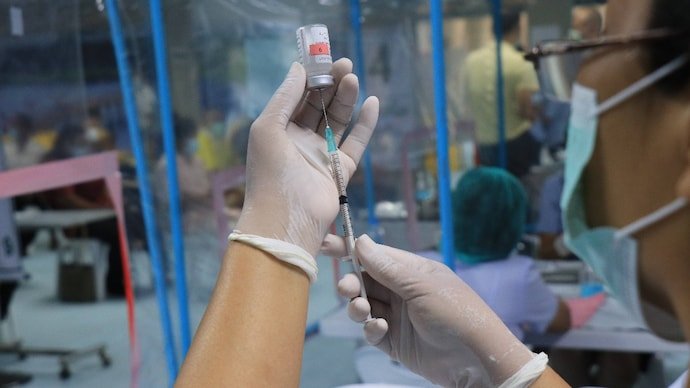
- Reuse of syringes on multi-dose vials, increasing contamination risk
- Use of potentially contaminated medicine vials across multiple patients
- Administration of injections without sterile gloves
- Improper disposal of medical waste
Medical experts reviewing the footage emphasized that changing only the needle is not sufficient to prevent infection if the syringe itself remains contaminated. This practice can allow viruses like HIV to spread rapidly between patients.
Government Response and Denials
Despite the evidence presented, hospital authorities have denied wrongdoing. The current medical superintendent questioned the authenticity of the footage and maintained that the facility adheres to safety standards.
Earlier actions by authorities included the suspension of a previous hospital official in March 2025, following initial reports of the outbreak. However, the latest findings suggest that unsafe practices continued months after these measures were announced.
International organizations have also raised concerns. A joint review by the World Health Organisation (WHO) and UNICEF identified significant gaps in infection control, including the reuse of medical equipment and poor hygiene practices.
While officials have stated that there is no definitive epidemiological proof linking the hospital directly to the outbreak, they acknowledged broader systemic risks such as unsafe blood transfusions and unregulated medical practices.
Systemic Issues in Pakistan’s Healthcare System
Health experts argue that the outbreak is not an isolated incident but rather a symptom of deeper systemic problems within the healthcare system.
Major Contributing Factors
- Overuse of injections, many of which are medically unnecessary
- Lack of proper training in infection control
- Shortages of essential medical supplies
- High patient demand for injectable treatments
Pakistan has one of the highest rates of therapeutic injections globally. In many cases, patients expect injections as part of treatment, and healthcare providers may comply even when oral medications would suffice. This Culture increases the risk of unsafe practices, especially in resource-limited settings.
Recurring Pattern of HIV Outbreaks
This is not the first time such an incident has occurred. In 2019, a similar outbreak in Ratodero, Sindh, saw hundreds of children infected with HIV under comparable circumstances.
That outbreak was also linked to unsafe medical practices, including the reuse of syringes. The recurrence of such incidents highlights a failure to implement lasting reforms and enforce safety standards across healthcare facilities.
| Outbreak Location | Year | Primary Cause | Affected Group |
|---|---|---|---|
| Ratodero, Sindh | 2019 | Unsafe injections | Children |
| Taunsa, Punjab | 2024–2025 | Suspected contaminated syringes | Children |
Social Impact and Stigma
Beyond the medical crisis, affected families face severe social consequences. Children living with HIV often encounter stigma, isolation, and discrimination within their communities.
Asma, now living with HIV, reportedly faces exclusion from other children in her neighborhood. Her family struggles not only with the medical challenges but also with the emotional burden of social rejection.
Stigma surrounding HIV continues to be a major barrier to treatment, awareness, and support, particularly in conservative communities.
Conclusion: Urgent Need for Reform and Accountability
The HIV outbreak in Taunsa serves as a stark reminder of the consequences of lapses in basic healthcare safety. While investigations continue, the evidence points toward preventable causes rooted in systemic failures.
Addressing this crisis requires more than temporary suspensions or official statements. It demands comprehensive reforms, strict enforcement of medical protocols, improved training, and adequate resource allocation.
Looking ahead, restoring public trust in the healthcare system will depend on transparency, accountability, and meaningful action. Without these, similar tragedies may continue to unfold, putting vulnerable populations especially children at risk.
For breaking news and live news updates, like us on Facebook or follow us on Twitter and Instagram. Read more on Latest World on thefoxdaily.com.






COMMENTS 0