- What Happened: A Cruise Turns into a Medical Emergency
- Why Spain Stepped In
- What Will Happen When the Ship Docks
- Understanding Hantavirus: Why This Outbreak Is Unusual
- Rare Human Transmission: What Experts Are Saying
- Tracing the Source: Where Did the Infection Begin?
- Timeline of the Outbreak
- Why Cruise Ships Amplify Health Risks
- Comparison: Hantavirus vs Other Cruise Ship Outbreaks
- Real-World Impact: Beyond the Ship
- Unique Insight: The “Floating Isolation Zone” Challenge
- What Happens Next?
- Conclusion: A Wake-Up Call for Global Health Systems
The MV Hondius hantavirus outbreak has triggered an international public health response after multiple deaths and suspected infections aboard the luxury expedition cruise. With several countries involved and growing concern over possible human-to-human transmission, Spain has stepped in to allow the vessel to dock in the Canary Islands marking a critical turning point in managing the crisis.
This is not just a maritime health emergency. It is a test of global coordination, outbreak preparedness, and crisis response in confined environments like cruise ships.
So what exactly is happening aboard the MV Hondius, why is hantavirus causing alarm, and what are the broader implications?
What Happened: A Cruise Turns into a Medical Emergency
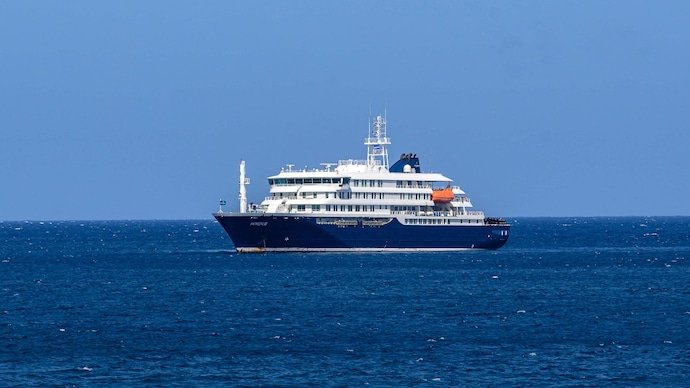
The MV Hondius, a Dutch-flagged expedition cruise ship operated by Oceanwide Expeditions, was nearing the end of its Antarctic voyage when reports of illness began emerging in early April.
Key developments include:
- At least three confirmed deaths linked to hantavirus infection
- Multiple suspected and confirmed cases among passengers and crew
- A critically ill ship doctor evacuated for urgent treatment
- Approximately 150 people from 23 countries still on board
Initially scheduled to disembark in Cape Verde, the vessel was denied entry forcing international agencies to find an alternative solution.
Why Spain Stepped In
Spain’s decision to accept the ship in the Canary Islands was not incidental it was driven by both humanitarian obligation and international coordination.
Authorities cited:
- Requests from global health bodies
- The need for advanced medical infrastructure
- Spain’s legal responsibility under international maritime law
The Canary Islands, particularly Ports like Gran Canaria and Tenerife, offer the nearest facilities capable of safely handling such a complex health situation.
What Will Happen When the Ship Docks
Once the MV Hondius reaches the Canary Islands, a carefully controlled operation will begin.
Planned measures include:
- Comprehensive medical screening for all passengers and crew
- Isolation and treatment of infected individuals
- Safe and coordinated repatriation to home countries
- Strict containment protocols to prevent community exposure
Special transport systems and medical facilities will be used to ensure zero contact with the general population.
Understanding Hantavirus: Why This Outbreak Is Unusual
Hantavirus is a rare but potentially deadly disease primarily transmitted through contact with infected rodents or their bodily fluids.
Typical transmission routes include:
- Inhalation of contaminated dust
- Direct contact with rodent droppings or urine
- Handling infected animals
However, what makes the MV Hondius hantavirus outbreak particularly concerning is the possibility of human-to-human transmission.
Rare Human Transmission: What Experts Are Saying
Global health experts believe that limited transmission may have occurred among close contacts on board such as couples or cabin mates.
This is significant because:
- Hantavirus is not typically contagious between humans
- Only specific strains, such as the Andes variant, have shown this capability
- Even then, transmission is rare and requires prolonged close contact
Despite this, health authorities have reassured the public that the risk to the wider population remains low.
Tracing the Source: Where Did the Infection Begin?
Investigations suggest that the initial infections may not have originated on the ship itself.
Possible sources include:
- Exposure in southern Argentina before boarding
- Excursions to remote islands during the cruise
- Environmental exposure during wildlife or bird-watching activities
Interestingly, officials have reported no evidence of rodent infestation onboard, which adds complexity to the Investigation.
Timeline of the Outbreak
| Date | Event |
|---|---|
| Late March | MV Hondius departs from southern Argentina |
| April 11 | First fatality reported (Dutch passenger) |
| April 24 | Body disembarked; second patient deteriorates |
| April 26 | Second death confirmed after evacuation |
| Early May | Multiple cases identified; global response initiated |
Why Cruise Ships Amplify Health Risks
Cruise ships are uniquely vulnerable to disease outbreaks due to their Environment.
Key risk factors include:
- Confined living spaces
- Shared dining and facilities
- Close social interactions
- Limited onboard medical capacity
This is not the first time a cruise ship has faced a health crisis but hantavirus adds a new dimension due to its rarity and severity.
Comparison: Hantavirus vs Other Cruise Ship Outbreaks
| Factor | Hantavirus | Typical Cruise Outbreaks (e.g., norovirus) |
|---|---|---|
| Transmission | Rodent exposure / rare human contact | Person-to-person |
| Frequency | Rare | Common |
| Severity | High mortality risk | Usually mild |
| Containment | Complex | Standard protocols exist |
Real-World Impact: Beyond the Ship
1. Public Health Preparedness
The incident highlights the importance of rapid international coordination in managing cross-border health threats.
2. Travel Industry Implications
Luxury expedition cruises may face increased scrutiny, especially those visiting remote or wildlife-rich environments.
3. Policy and Regulation
Governments may revisit protocols for handling infected vessels and passenger screening.
4. Public Awareness
The outbreak has brought attention to lesser-known diseases like hantavirus.
Unique Insight: The “Floating Isolation Zone” Challenge
One overlooked challenge is how cruise ships effectively become floating isolation zones during outbreaks.
Unlike land-based settings:
- Evacuation options are limited
- Medical resources are constrained
- Decision-making involves multiple countries simultaneously
This creates a complex scenario where Healthcare, Diplomacy, and Logistics intersect in real time.
What Happens Next?
As the MV Hondius approaches the Canary Islands, the focus will shift to containment and investigation.
Key next steps include:
- Laboratory confirmation of virus strain
- Detailed contact tracing
- Monitoring for additional cases
- Safe return of passengers to their home countries
The findings could shape how future outbreaks are handled globally.
Conclusion: A Wake-Up Call for Global Health Systems
The MV Hondius hantavirus outbreak is more than an isolated incident it is a reminder of how quickly health crises can emerge in interconnected environments.
While the immediate priority is saving lives and preventing further spread, the long-term lessons are equally important.
This event underscores the need for:
- Stronger international coordination
- Improved outbreak detection systems
- Better preparedness for rare diseases
In a world where travel connects even the most remote regions, no outbreak is truly isolated anymore.
The real challenge is not just responding to crises but anticipating them before they escalate.
For breaking news and live news updates, like us on Facebook or follow us on Twitter and Instagram. Read more on Latest World on thefoxdaily.com.






COMMENTS 0