- What Happened on the MV Hondius? (5W1H Breakdown)
- Timeline of Events
- What Is Hantavirus and Why Is It Dangerous?
- Why a Cruise Ship Outbreak Is Especially Concerning
- Global Health Response: What Authorities Are Doing
- Unique Insight: The Overlooked Risk of Rodent-Borne Diseases at Sea
- Comparison: Hantavirus vs Common Cruise Ship Illnesses
- Real-World Impact: What This Means for Travelers
- What Happens Next?
- Future Outlook: Will Cruise Health Protocols Change?
- Conclusion: A Rare Outbreak With Global Implications
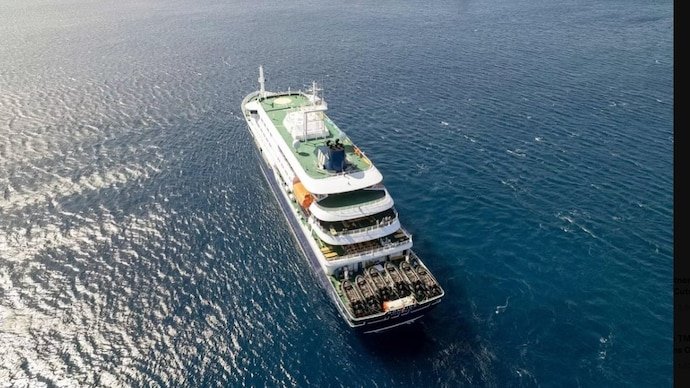
A suspected hantavirus outbreak on a cruise ship has left three people dead and several others ill aboard the MV Hondius, a polar expedition vessel operated by Oceanwide Expeditions. The incident unfolded off the coast of Cape Verde, triggering an international health response and raising concerns about infectious disease risks in confined travel environments.
With the World Health Organization coordinating efforts and authorities assessing evacuation options, the situation highlights how quickly a localized health issue can escalate into a global concern especially in isolated settings like ships at sea.
What Happened on the MV Hondius? (5W1H Breakdown)
- Who: Passengers aboard the MV Hondius, including international travelers
- What: Suspected hantavirus outbreak causing deaths and severe illness
- When: During an ongoing expedition voyage, reported in early May 2026
- Where: Off the coast of Cape Verde in the Atlantic Ocean
- Why: Likely exposure to rodent-borne virus in enclosed environments
- How: Infection possibly spread through airborne particles from rodent waste
Timeline of Events
| Stage | Development |
|---|---|
| Departure | Ship begins expedition from Argentina with ~150 passengers |
| Voyage | Stops include Antarctic regions and remote locations |
| Medical Alert | Passengers fall ill with severe symptoms |
| Confirmed Cases | Lab test confirms hantavirus in at least one patient |
| Escalation | Three deaths reported, others in critical condition |
| Response | WHO coordinates evacuation and risk assessment |
What Is Hantavirus and Why Is It Dangerous?
Hantavirus is a rare but potentially deadly virus primarily transmitted through contact with infected rodents or their droppings. When particles from dried urine or feces become airborne, they can be inhaled, leading to infection.
The disease often begins with symptoms that resemble common flu but can escalate rapidly.
Common Symptoms
- Fever and chills
- Muscle aches
- Fatigue
- Headaches
Severe Complications
- Respiratory distress
- Fluid buildup in lungs
- Heart complications
In serious cases, the condition can lead to organ failure. Mortality rates can be high, especially when treatment is delayed.
Why a Cruise Ship Outbreak Is Especially Concerning
Outbreaks on ships present unique challenges that make containment more difficult than on land.
- Confined spaces: Close quarters increase exposure risk
- Limited medical facilities: Ships are not equipped for advanced care
- Delayed evacuation: Geographic isolation complicates emergency response
- International passengers: Adds complexity to coordination between countries
In this case, reports suggest that local authorities initially did not permit passengers requiring medical care to disembark, further complicating response efforts.
Global Health Response: What Authorities Are Doing
The World Health Organization is playing a central role in managing the situation. Its efforts include:
- Coordinating medical evacuation for critically ill passengers
- Conducting a full public health risk assessment
- Supporting onboard safety measures for remaining passengers
At the same time, national governments are working to repatriate affected individuals and manage diplomatic coordination.
Unique Insight: The Overlooked Risk of Rodent-Borne Diseases at Sea
While cruise ships are often associated with outbreaks like norovirus, this incident highlights a less-discussed risk: rodent-borne diseases.
Ships especially those traveling through remote or port-heavy routes can occasionally face rodent exposure risks. Even with strict sanitation measures, complete elimination is challenging.
This raises important questions:
- Are current inspection protocols sufficient?
- Should expedition vessels have stricter biosecurity checks?
- Is there a need for onboard rapid testing capabilities?
The answers could shape future maritime health regulations.
Comparison: Hantavirus vs Common Cruise Ship Illnesses
| Factor | Hantavirus | Common Cruise Illness (e.g., Norovirus) |
|---|---|---|
| Transmission | Rodent exposure | Person-to-person |
| Severity | High, potentially fatal | Usually mild to moderate |
| Treatment | Supportive care only | Hydration and rest |
| Frequency | Rare | Relatively common |
This comparison shows why the current situation is particularly serious hantavirus is far less common but significantly more dangerous.
Real-World Impact: What This Means for Travelers
For travelers, especially those considering expedition cruises, this incident serves as a wake-up call.
- Health awareness: Understanding rare disease risks
- Travel insurance importance: Coverage for medical evacuation
- Pre-trip research: Evaluating operator safety standards
It also underscores the importance of global health coordination in managing cross-border emergencies.
What Happens Next?
In the coming days, authorities are expected to focus on:
- Evacuating remaining symptomatic passengers
- Monitoring others for signs of infection
- Investigating the source of the outbreak
The ship operator will likely conduct its own internal review, while international health agencies assess broader implications.
Future Outlook: Will Cruise Health Protocols Change?
This incident could lead to significant changes in how cruise ships manage health risks.
Possible developments include:
- Enhanced onboard medical capabilities
- Stricter pest control and sanitation protocols
- Faster international response mechanisms
In a post-pandemic world, health safety is no longer optional it’s central to the travel experience.
Conclusion: A Rare Outbreak With Global Implications
The suspected hantavirus outbreak on the MV Hondius is a stark reminder that even rare diseases can have serious consequences especially in isolated environments like cruise ships.
While the situation remains under Investigation, it highlights the importance of preparedness, rapid response, and international cooperation.
For passengers, operators, and health authorities alike, the lessons from this incident will likely shape how future risks are managed.
Because in global travel, safety doesn’t stop at the shore it travels with you.
For breaking news and live news updates, like us on Facebook or follow us on Twitter and Instagram. Read more on Latest World on thefoxdaily.com.



COMMENTS 0