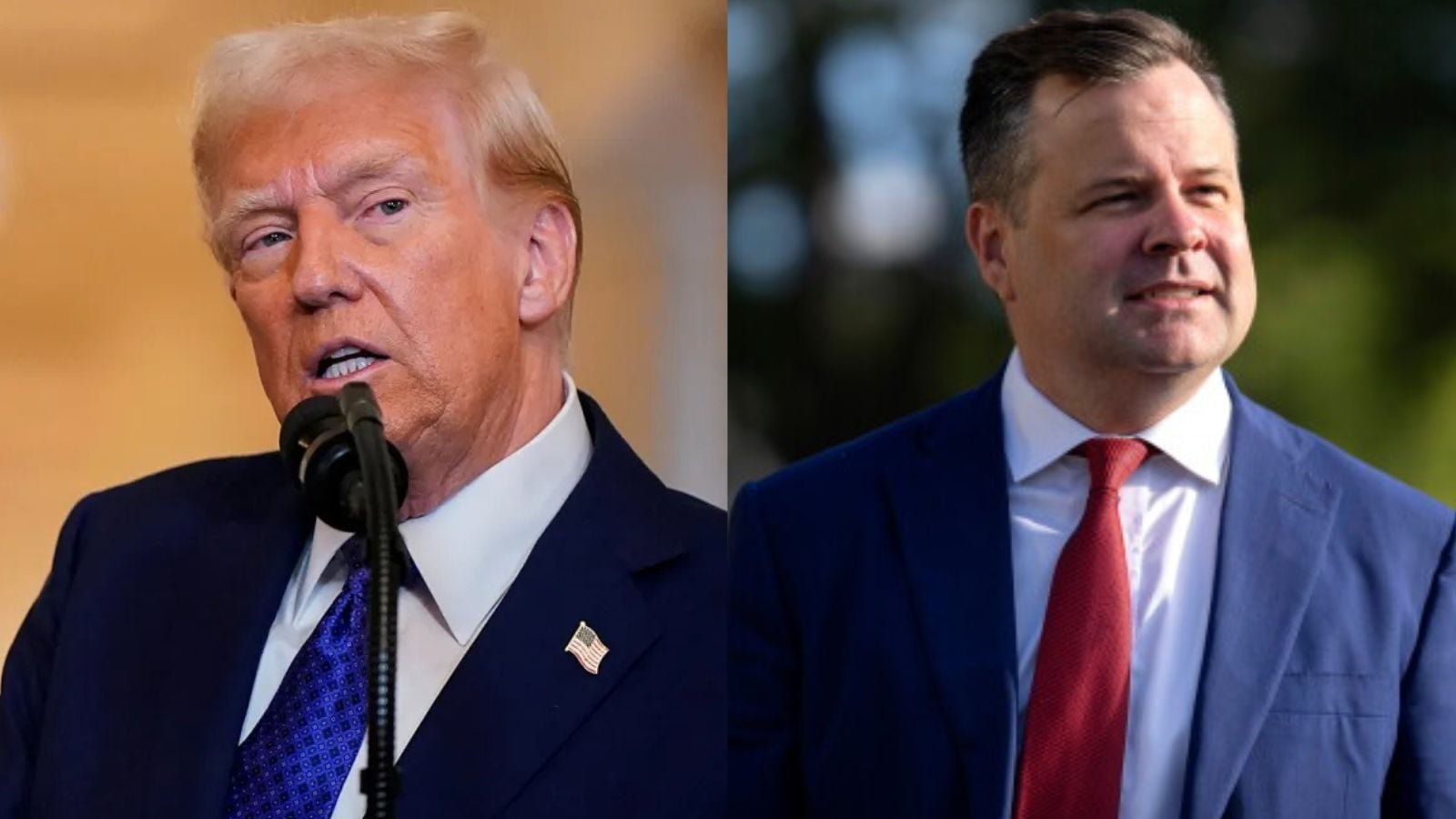
The United States intelligence apparatus is entering a new phase after President Donald Trump named Bill Pulte as Acting Director of National Intelligence (DNI), replacing former congresswoman Tulsi Gabbard. The appointment comes during a sensitive period for US National Security, with Washington closely monitoring developments involving Iran, ongoing conflicts in the Middle East, and broader strategic competition with china and Russia.
While acting appointments are not unusual in Washington, Pulte’s elevation stands out because of his professional background. Unlike many previous intelligence chiefs who came from Military, intelligence, diplomatic, or national security circles, Pulte is best known for his role overseeing America’s housing finance system.
Who Is Bill Pulte?
Bill Pulte currently serves as Director of the Federal Housing Finance Agency (FHFA), the federal regulator responsible for supervising Fannie Mae and Freddie Mac, two institutions that play a central role in the US housing market.
The 38-year-old official is also the grandson of the founder of PulteGroup, one of America’s largest homebuilding companies. Before joining government, he built a reputation through business activities, philanthropy, and a strong social media presence.
Under Trump’s administration, Pulte became one of the president’s most visible and trusted allies. His appointment to the intelligence role reflects Trump’s longstanding preference for placing trusted loyalists in key government positions.
Why Did Tulsi Gabbard Leave?
Pulte replaces Tulsi Gabbard, who stepped down as Director of National Intelligence after publicly revealing her husband’s cancer diagnosis.
Gabbard’s departure created an unexpected vacancy in one of the most important national security positions in the US government. Her exit came at a particularly challenging time, forcing the administration to quickly identify an interim replacement capable of managing intelligence operations while a permanent nominee is considered.
The transition is especially significant because intelligence assessments are currently playing a crucial role in shaping US responses to international crises.
What Does the Director of National Intelligence Do?
The Office of the Director of National Intelligence was established after the September 11 terrorist attacks to improve coordination among America’s Intelligence Agencies.
The DNI oversees and coordinates the activities of 18 intelligence organizations, including the CIA, NSA, Defense Intelligence Agency, National Geospatial-Intelligence Agency, and intelligence branches of various military services.
The office serves as the principal intelligence adviser to the president, helping interpret classified information and assess emerging threats.
In practical terms, the DNI helps answer some of the most critical questions facing policymakers:
- What threats are emerging around the world?
- How should the United States respond?
- What military, cyber, or diplomatic risks are developing?
- How reliable is available intelligence?
The position is therefore one of the most influential national security roles in Washington.
Why the Timing Matters
Pulte’s appointment comes at a moment when intelligence gathering and analysis are particularly important.
The United States is currently dealing with multiple security challenges, including:
- Escalating tensions involving Iran
- Instability across the Middle East
- Russia’s military and cyber activities
- China’s expanding global influence
- Growing cybersecurity threats
- Artificial intelligence-related security concerns
- Counterterrorism operations worldwide
Intelligence assessments influence decisions ranging from military deployments to diplomatic negotiations. Leadership changes during such periods naturally attract intense scrutiny from policymakers and security experts.
Trump’s Case for Pulte
Announcing the appointment, Trump highlighted Pulte’s management experience and his oversight of institutions connected to more than $10 trillion in housing-related assets.
The president argued that handling highly sensitive financial matters demonstrates the kind of leadership and decision-making skills needed for the intelligence role.
Trump also emphasized Pulte’s track record of implementing administration priorities and managing large organizations.
Supporters of the appointment argue that executive leadership skills can be more important than technical intelligence expertise, especially when experienced career professionals remain in place throughout the intelligence community.
Why Critics Are Raising Questions
The appointment has also generated significant criticism.
Many national security analysts point out that previous intelligence chiefs typically brought extensive experience in military operations, intelligence collection, Diplomacy, law enforcement, or strategic policy.
Pulte’s expertise, by contrast, lies primarily in housing finance regulation.
Critics argue that overseeing mortgage markets and overseeing intelligence operations require fundamentally different skill sets. They question whether someone without a deep intelligence background can effectively manage classified operations, evaluate complex threat assessments, and coordinate among multiple agencies.
The debate highlights a broader question that often emerges in government appointments: should leadership positions prioritize subject-matter expertise or executive management ability?
Iran Adds Pressure to the Role
The timing of the appointment is particularly significant because of ongoing tensions involving Iran.
US Intelligence agencies are heavily involved in monitoring Iranian military movements, missile programs, proxy groups, cyber capabilities, and regional influence networks.
Accurate intelligence is essential for avoiding miscalculations that could trigger wider conflict. Intelligence assessments also influence diplomatic efforts and military planning.
As a result, the leadership of the intelligence community becomes especially important during periods of heightened geopolitical risk.
The Politics Behind the Appointment
Pulte’s rise also reflects broader political dynamics within Trump’s administration.
During his tenure at the FHFA, Pulte became known for aggressively pursuing actions involving several high-profile critics of Trump. Those actions reinforced his reputation as a loyal supporter of the president’s agenda.
For supporters, this loyalty is a strength because it ensures close alignment between intelligence leadership and the White House.
For critics, however, it raises concerns about whether intelligence institutions could become increasingly politicized.
The credibility of intelligence agencies depends heavily on their ability to produce objective assessments based on evidence rather than political considerations. Maintaining that credibility will likely be one of Pulte’s biggest challenges.
How Unusual Is This Appointment?
Historically, US intelligence leadership has often been filled by individuals with extensive national security credentials.
Former intelligence chiefs have frequently included retired military officers, intelligence veterans, diplomats, and experienced policymakers.
While presidents have occasionally selected unconventional candidates for major government positions, appointing a housing finance regulator to oversee the entire intelligence community is highly unusual.
That uniqueness is precisely why the decision has generated such widespread attention.
What Happens Next?
Trump indicated that Pulte will serve in an acting capacity until a permanent nominee is selected and confirmed by the Senate.
In the meantime, Pulte will oversee intelligence coordination, receive classified briefings, and help guide the intelligence community through a period marked by multiple international security challenges.
His performance in the role could influence not only future personnel decisions but also broader debates about qualifications, expertise, and political loyalty in senior government appointments.
Why This Story Matters Beyond Washington
The appointment is not just a personnel change. It reflects larger questions about how governments choose leaders during periods of uncertainty.
Supporters see Pulte as a capable manager trusted by the president. Critics see a potentially risky experiment that prioritizes political alignment over specialized expertise.
The outcome will be closely watched by allies, adversaries, intelligence professionals, and policymakers around the world.
With tensions involving Iran remaining elevated and global security challenges growing more complex, the effectiveness of America’s intelligence leadership could have consequences far beyond Washington.
Conclusion
Bill Pulte’s appointment as Acting Director of National Intelligence marks one of the most unconventional intelligence leadership transitions in recent years. Replacing Tulsi Gabbard at a time of significant geopolitical uncertainty, he enters the role facing intense scrutiny from both supporters and critics.
Whether his management experience proves sufficient for one of America’s most sensitive national security positions remains to be seen. What is clear is that his tenure will unfold during a period when accurate intelligence, effective coordination, and strategic decision-making are more important than ever.
The coming weeks and months will determine whether Trump’s gamble on a trusted ally pays off or becomes another flashpoint in the ongoing debate over experience, expertise, and leadership in government.
For breaking news and live news updates, like us on Facebook or follow us on Twitter and Instagram. Read more on Latest World on thefoxdaily.com.






COMMENTS 0